
Eupithecia mutata
Pearsall, 1908
spruce cone looper, cloaked pug
Eupithecia mutata is a small in the Geometridae, first described by Pearsall in 1908. The is restricted to northeastern North America, where it occurs in coniferous forest . The "spruce cone looper" reflects its larval association with spruce cones.
Pronunciation
How to pronounce Eupithecia mutata: //ˌjuːpɪˈθeɪʃə ˈmjuːtɑːtə//
These audio files are automatically generated. While they are not always 100% accurate, they are a good starting point.
Identification
Members of Eupithecia are recognized by their narrow wings and distinctive resting posture with wings held flat and tightly against the substrate. E. mutata is distinguished from other Eupithecia by geographic range and association with spruce . Positive identification typically requires examination of genitalia or molecular analysis, as many Eupithecia species are morphologically similar.
Images
Appearance
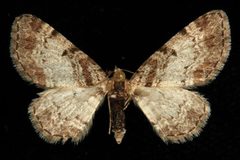
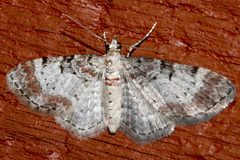
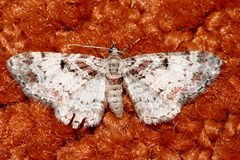
have a wingspan of 17–22 mm. The forewings are narrow and relatively plain, typical of pug moths in the Eupithecia. The overall coloration is subdued, with patterns that provide camouflage against bark and conifer foliage. The body is slender, consistent with the "inchworm" characteristic of Geometridae.
Habitat
Coniferous forests, particularly those dominated by spruce . The species is associated with mature spruce stands where cone development occurs.
Distribution
Northeastern North America. In the United States, found in northern Atlantic states and New England. In Canada, recorded from Nova Scotia west to northern Ontario, with additional records from Alberta and Saskatchewan.
Diet
Larvae feed on seeds within spruce cones. feeding habits have not been documented.
Host Associations
- Picea - larval larvae develop within cones, feeding on seeds
Ecological Role
Larvae function as seed in spruce cones, potentially affecting seed production and of trees. have been observed visiting apple flowers at night, suggesting possible pollination activity.
Human Relevance
A minor pest of spruce seed production in forest nurseries and natural contexts. contribute to pollination of apple orchards, as documented in Arkansas studies.
Similar Taxa
- Other Eupithecia speciesMany share similar wing shape and pattern; E. mutata distinguished by range and association
- Other Geometridae (pug moths)Narrow-winged Geometridae with similar resting posture; identification requires detailed examination
Sources and further reading
- BugGuide
- Wikipedia
- GBIF taxonomy match
- iNaturalist taxon
- NCBI Taxonomy
- Catalogue of Life
- Meloidae Holdings | Entomology Research Museum
- collecting Polythore mutata - Entomology Today
- Eupithecia sp. moth on apple flower - Entomology Today
- P.M. Pollinators: Study Shines Light on Nocturnal Insects' Role in Apple Production
- Bug Eric: New Mexico Night Bugs
- How One Entomologist Brings a Passion for Science Back to Her Home Country