Thyrinteina
Möschler, 1890
Species Guides
1- Thyrinteina arnobia(eucalyptus brown looper)
Thyrinteina is a of geometrid moths described by Möschler in 1890. The genus contains at least two recognized : Thyrinteina arnobia and Thyrinteina leucocerae. T. arnobia is the major defoliating pest of Eucalyptus plantations in Brazil, having expanded from its native guava (Psidium guajava) to become economically significant in commercial forestry. T. leucocerae has been documented in a remarkable -host behavioral interaction with Glyptapanteles , where parasitized caterpillars defend the emerged wasp pupae.
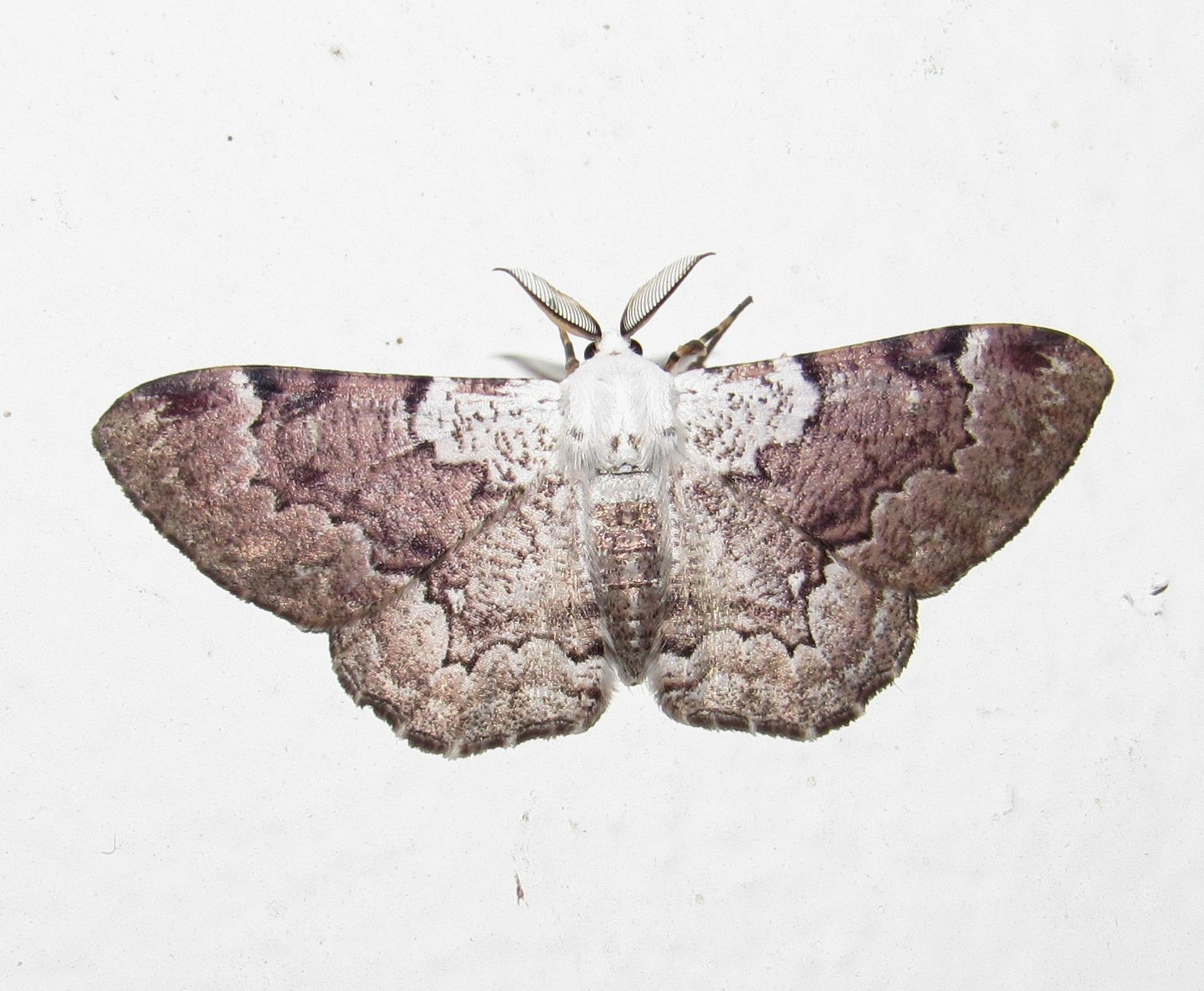
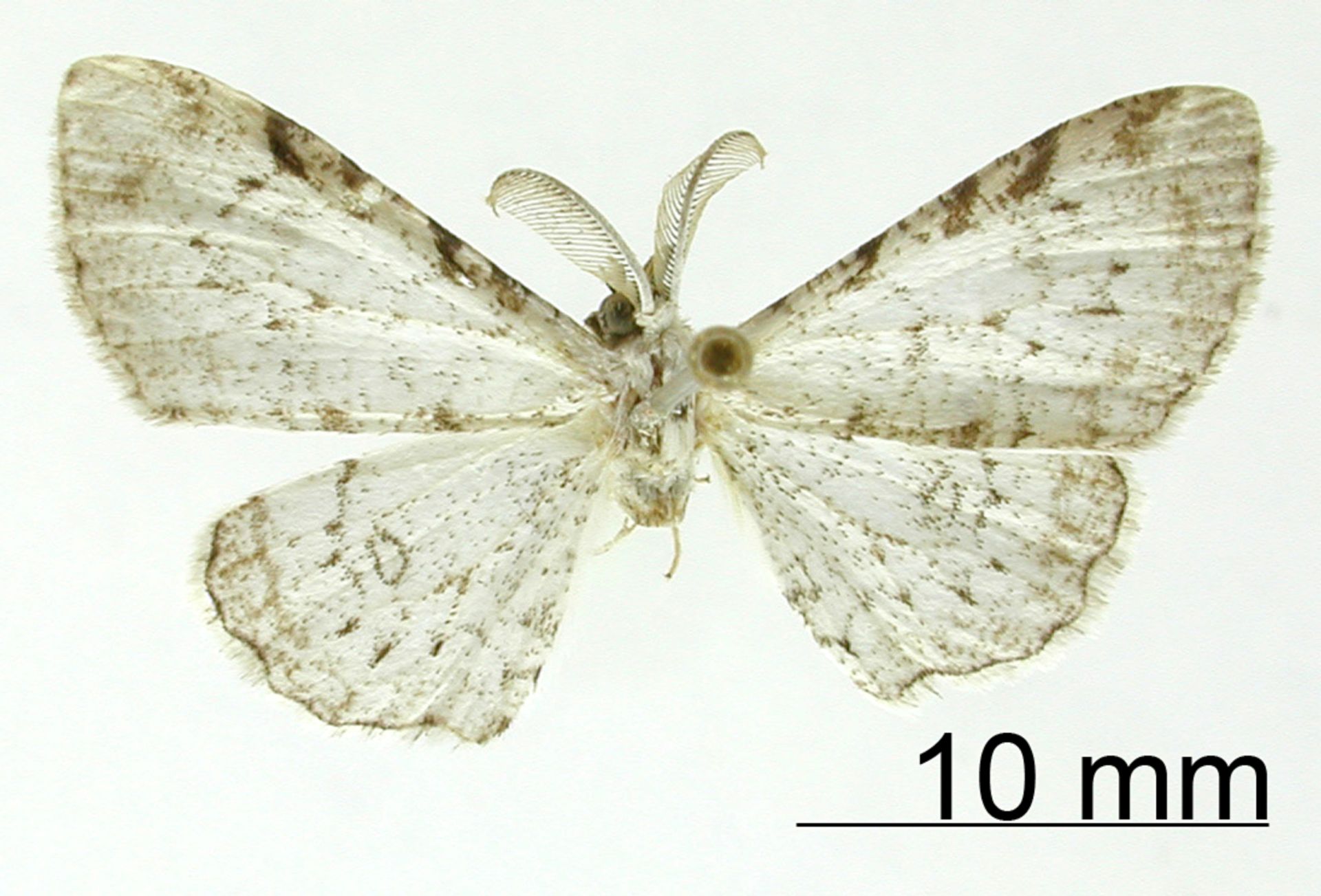
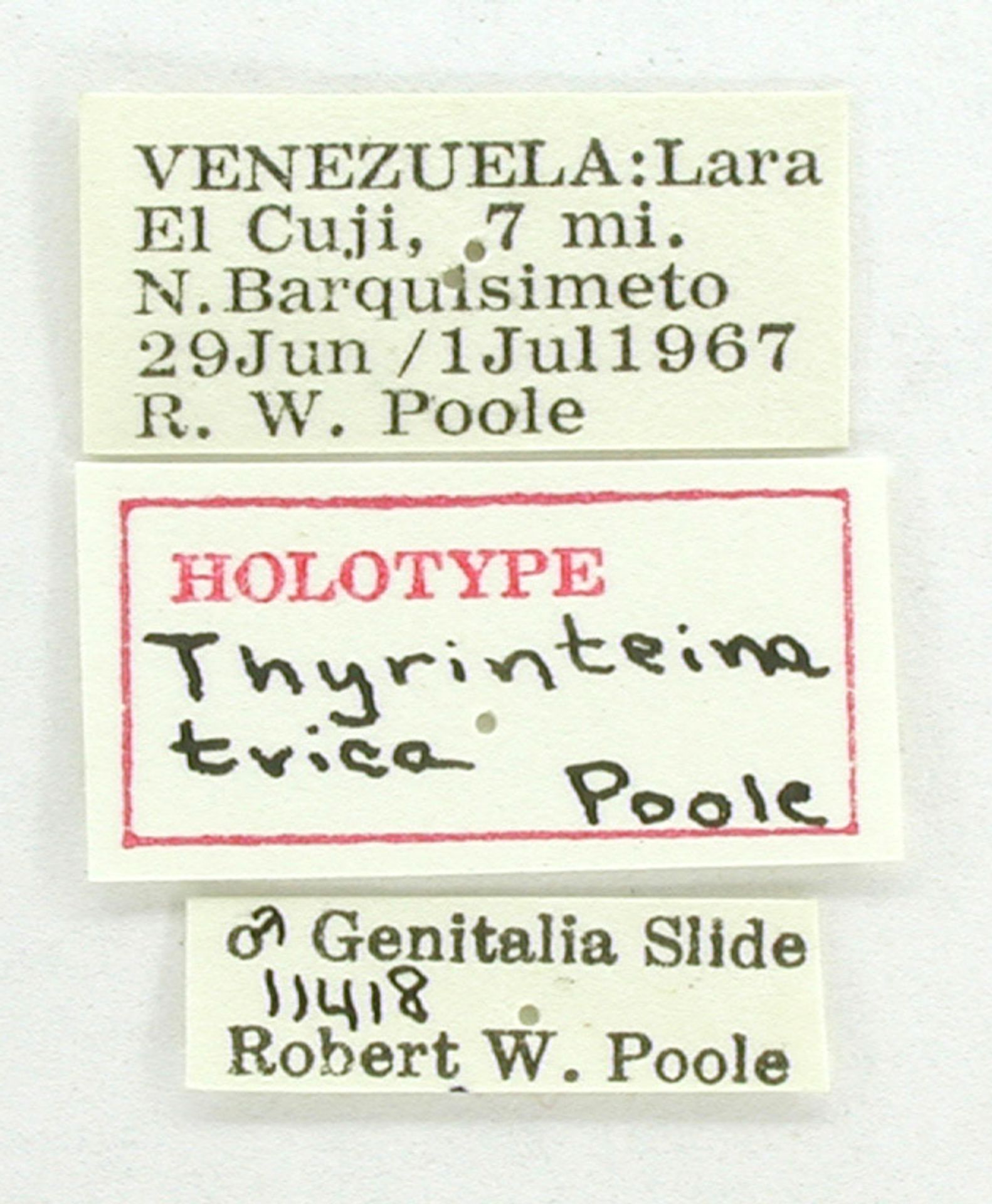
Images
Habitat
Eucalyptus plantations and native environments in Brazil. T. arnobia occurs in commercial Eucalyptus spp. plantations, particularly E. urograndis and E. grandis stands, as well as areas with native guava (Psidium guajava). Laboratory rearing successful at 25 ± 3°C, 70 ± 10% relative humidity, and 12-hour photophase.
Distribution
Brazil, with records from Amazonas to Rio Grande do Sul. T. arnobia documented in Minas Gerais, Mato Grosso (Sorriso municipality), Alagoas (Atalaia municipality), and across Brazilian Eucalyptus areas.
Ecological Role
T. arnobia is the most important lepidopteran defoliator of Eucalyptus in Brazil, causing significant economic damage to plantation forestry. The serves as for multiple including Glyptapanteles spp. (on T. leucocerae), Brachymeria pandora (on T. leucocerae), and Palmistichus elaeisis (on T. arnobia), as well as such as Zelus armillatus and Podisus distinctus. T. leucocerae exhibits a notable host-parasitoid behavioral manipulation where parasitized caterpillars defend emerged Glyptapanteles pupae.
Human Relevance
T. arnobia is a major forestry pest requiring in Brazilian Eucalyptus plantations. Subject of programs using and . Laboratory rearing protocols established on guava leaves for mass production of natural enemies. Transgenic Eucalyptus with pyramided cry genes developed for control and resistance management.
Sources and further reading
- BugGuide
- Wikipedia
- GBIF taxonomy match
- iNaturalist taxon
- NCBI Taxonomy
- Catalogue of Life
- Does Thyrinteina arnobia (Lepidoptera: Geometridae) use different defense behaviours against predators? Verwendet der Eukalyptusschädling Thyrinteina arnobia (Lepidoptera: Geometridae) unterschiedliche Verteidigungs-strategien gegenüber Räubern?
- Rearing of Thyrinteina arnobia (Lepidoptera: Geometridae) on guava and Eucalyptus in laboratory
- FOOD PREFERENCE OF Thyrinteina arnobia (Stoll, 1782) (LEPIDOPTERA: GEOMETRIDAE) ON NATIVE AND EXOTIC HOSTS
- Morphological characterization and distribution of antennal sensilla on Thyrinteina arnobia (Stoll, 1782) (Lepidoptera: Geometridae)
- Population genetics and genomics of >i<Thyrinteina arnobia>/i< (Stoll, 1782) (Lepidoptera: Geometridae) associated with >i<Eucalyptus>/i< in Brazil
- La aparición de Thyrinteina arnobia (Stoll) (Lepidoptera: Geometridae) de Eucalyptus y su depredación por Zelus armillatus (Lepeletier y Serville) (Reduviidae: Harpactorinae)
- Effect of Honey Feeding byThyrinteina arnobiaMales and Females on their Reproduction and Longevity
- Development and reproduction of Podisus nigrispinus (Hemiptera: Pentatomidae) fed with Thyrinteina arnobia (Lepidoptera: Geometridae) reared on guava leaves
- Brachymeria pandora (Crawford) (Hymenoptera: Chalcididae) as a New Parasitoid of Thyrinteina leucocerae (Rindge) (Lepidoptera: Geometridae) in Brazil
- PLANTAS HOSPEDEIRAS DE Thyrinteina arnobia (LEPIDOPTERA: GEOMETRIDAE) AFETAM O DESENVOLVIMENTO DO PARASITOIDE Palmistichus elaeisis (HYMENOPTERA: EULOPHIDAE)1
- Pyramiding of cry genes in high-dose transgenic eucalyptus provides control of Thyrinteina arnobia (Lepidoptera: Geometridae) and reduces the risk of resistance.
- Genetic diversity, population structure and ecological niche modeling of Thyrinteina arnobia (Lepidoptera: Geometridae), a native Eucalyptus pest in Brazil.