Macaria truncataria
(Walker, 1862)
Black-banded Orange Moth
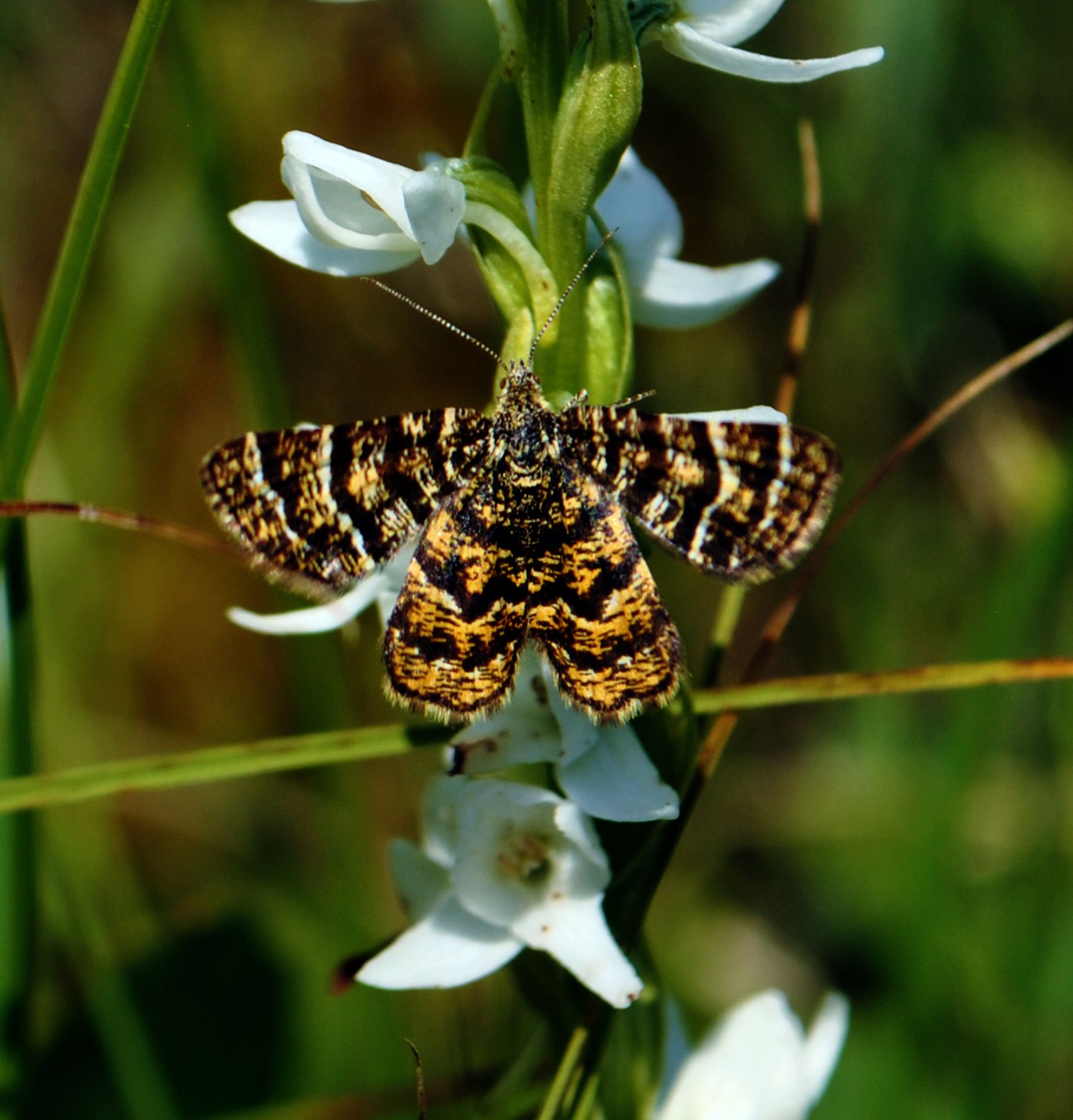
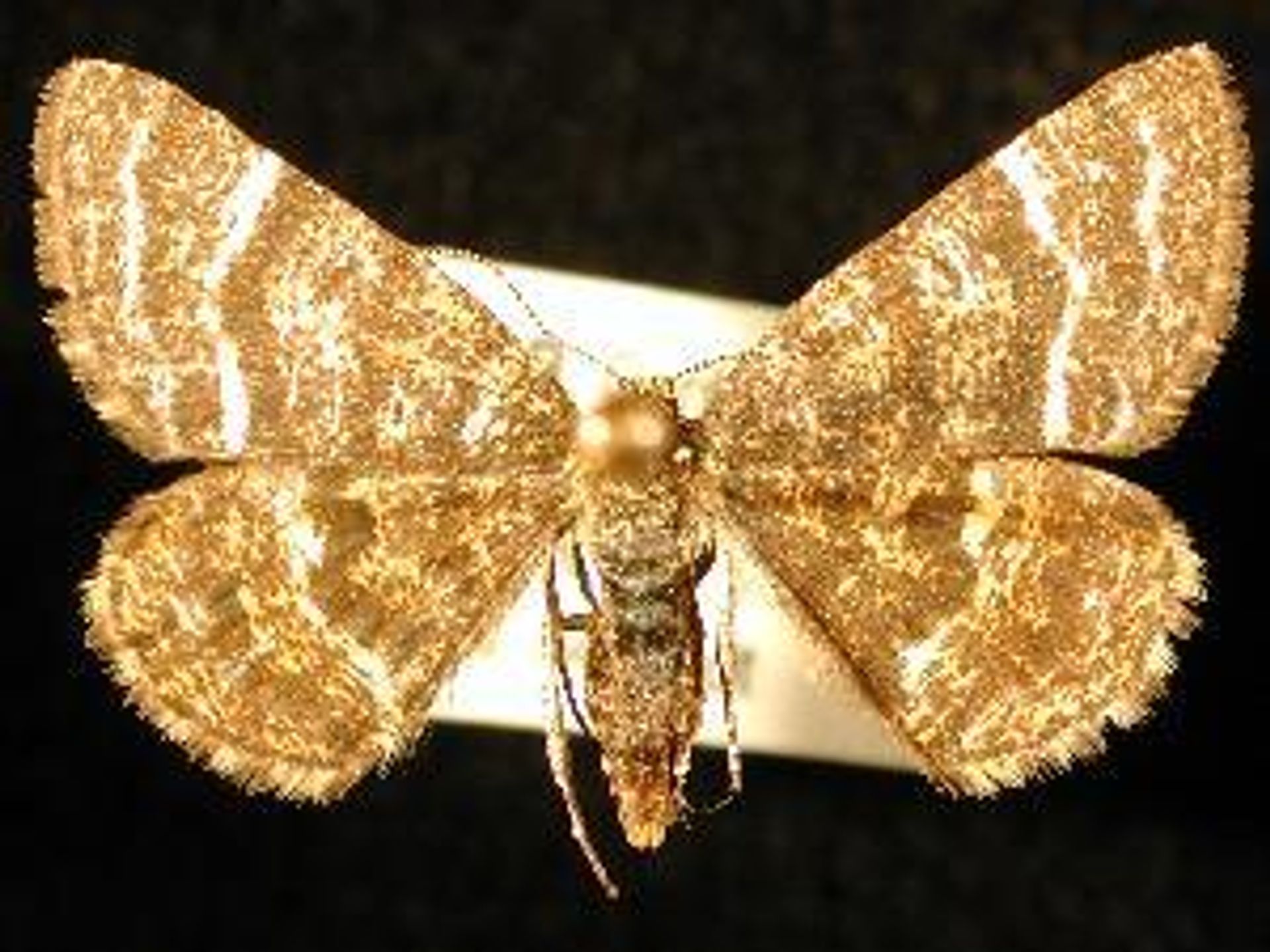
Macaria truncataria, commonly known as the Black-banded Orange , is a of geometrid moth in the Geometridae. The species was described by Francis Walker in 1862. It is part of the diverse Macaria, which includes numerous North American species characterized by distinctive wing patterns. are recognized by their orange and black coloration.
Pronunciation
How to pronounce Macaria truncataria: /məˈkɛəɹiə trʌŋkəˈtɛəɹiə/
These audio files are automatically generated. While they are not always 100% accurate, they are a good starting point.
Identification
Distinguished from similar Macaria by the combination of bright orange ground color and a single prominent black transverse band on the forewing. Macaria pustularia (Lesser Macaria) has more complex gray-brown patterning with multiple wavy lines. Macaria transitaria (Blurry-patched Nola) shows more diffuse gray markings rather than a crisp black band. The orange coloration is generally brighter than in Macaria bisignata (Red-headed Macaria).
Images
Appearance
have orange forewings with a broad black band crossing near the outer margin. The hindwings are paler orange with a similar but less distinct dark marking. The body is slender and covered with fine . Wingspan ranges from approximately 20-25 mm. are in both sexes.
Habitat
Deciduous and mixed woodlands, forest edges, and areas with oak and pine presence. are frequently found in open areas near woodland margins.
Distribution
Eastern North America, ranging from southern Canada through the eastern United States. Records extend from Ontario and Quebec south to Florida, and west to Texas and the Great Plains region.
Seasonality
are active from late spring through summer, with peak period generally occurring from May to August. Exact timing varies by latitude and local climate conditions.
Host Associations
- Quercus - larval oak
- Pinus - larval pine
Behavior
are and attracted to light. They are active fliers during the evening and night hours. Resting posture during daylight involves holding wings flat or slightly tented over the body.
Ecological Role
Larvae function as herbivores on woody plants, contributing to nutrient cycling in forest . serve as prey for including bats and birds.
Human Relevance
No significant economic impact. Occasionally encountered by naturalists and enthusiasts. Used as an for healthy deciduous woodland in ecological surveys.
Similar Taxa
- Macaria pustulariaSimilar size and but has gray-brown forewings with multiple wavy transverse lines rather than orange with single black band
- Macaria transitariaOverlapping range but exhibits diffuse gray patterning without the crisp black band and bright orange ground color
- Macaria bisignataShares orange coloration but has reddish and , and forewing pattern includes two dark spots rather than a transverse band
More Details
Taxonomic History
Originally described by Francis Walker in 1862, this has remained in the Macaria throughout its taxonomic history. The genus Macaria has undergone multiple revisions, with some former members transferred to other genera, but M. truncataria has retained its original placement.