
Digrammia triviata
(Barnes & McDunnough, 1917)
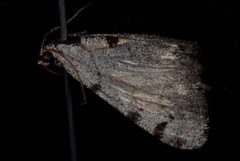
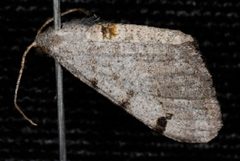
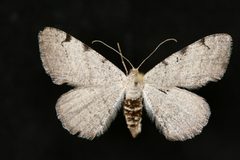
Digrammia triviata is a of geometrid first described in 1917 by William Barnes and James Halliday McDunnough. It belongs to the Geometridae, commonly known as inchworm or geometer moths. The species is distributed across North America. As with other members of the Digrammia, it is a species attracted to ultraviolet light sources.
Pronunciation
How to pronounce Digrammia triviata: //daɪˈɡræmiə trɪˈvaɪətə//
These audio files are automatically generated. While they are not always 100% accurate, they are a good starting point.
Identification
Members of the Digrammia are often referred to as "granite moths" due to their mottled gray and brown wing patterns that resemble stone surfaces. Specific diagnostic features for D. triviata distinguishing it from such as D. californiaria and D. muscariata are not documented in available sources. The Hodges number for this is 6385.
Images
Distribution
North America. Specific regional distribution within North America is not documented in available sources.
Behavior
; has been observed at blacklighting displays. Specific behavioral details beyond general -level traits are not documented.
Similar Taxa
- Digrammia californiariaSimilar granite moth appearance and shared attraction to blacklighting displays; distinguished by specific wing pattern details not described in available sources for D. triviata
- Digrammia muscariataSimilar granite moth appearance and shared attraction to blacklighting displays; frequently recorded together at lighting events
More Details
Nomenclature
Originally described as Phasiane triviata by Barnes & McDunnough in 1917; later transferred to Digrammia. The specific epithet 'triviata' is derived from Latin 'trivia' meaning 'crossroads' or 'commonplace,' possibly referring to the ' widespread or unremarkable appearance.
Research History
Despite being described over a century ago, detailed studies for this appear limited in published literature. Most recent records come from citizen science observations and museum blacklighting events rather than targeted research.
Sources and further reading
- BugGuide
- Wikipedia
- GBIF taxonomy match
- iNaturalist taxon
- NCBI Taxonomy
- Catalogue of Life
- What Will You See at Bohart Museum Open House | Bug Squad
- Blacklighting at the Bohart: They Saw the Light | Bug Squad
- Oh, What a (Moth) Night! | Bug Squad
- Bohart Open House: Like a Moth to a Flame | Bug Squad
- Mark Your Calendar for 'Moth Night' at Bohart Museum: July 30 | Bug Squad
- A Night at the Bohart Museum: Moth Night on Saturday, July 22 | Bug Squad