
Iridopsis clivinaria
(Guenée, [1858])
mountain mahogany looper moth
Iridopsis clivinaria is a geometrid commonly known as the mountain mahogany looper moth. have a wingspan of approximately 22–25 mm. The has a single and is active from spring through early summer. Larvae are specialized feeders on woody shrubs in western North America.
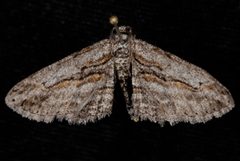
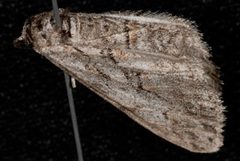
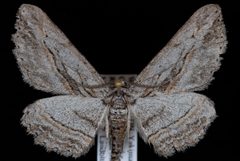
Pronunciation
How to pronounce Iridopsis clivinaria: /ɪˈrɪd əp sɪs klɪv əˈnɛər i ə/
These audio files are automatically generated. While they are not always 100% accurate, they are a good starting point.
Identification
Forewing length 22–25 mm distinguishes it from smaller . period March–July is earlier than many related . Larval association with Cercocarpus and Purshia tridentata provides a strong ecological indicator in the western United States and Canada. I. c. impia and I. c. profanata differ in geographic distribution and minor morphological traits.
Images
Habitat
Associated with montane and foothill shrublands where plants occur. Found in regions with Cercocarpus (mountain mahogany) and Purshia tridentata (bitterbrush) dominance, including sagebrush-steppe and open coniferous forest understories.
Distribution
Western North America: British Columbia south through California, east to Idaho, Colorado, and Arizona. I. c. clivinaria occupies the core range; I. c. impia and I. c. profanata have more restricted distributions.
Seasonality
active March to July. One per year (). Larval feeding occurs during spring and early summer following hatch.
Diet
Larvae feed primarily on leaves of Cercocarpus and Purshia tridentata. Recorded secondary include Prunus species and Ceanothus velutinus. Young larvae skeletonize leaves; older larvae consume entire leaves.
Host Associations
- Cercocarpus - primary mountain mahogany
- Purshia tridentata - primary bitterbrush
- Prunus - secondary occasional records
- Ceanothus velutinus - secondary snowbrush ceanothus
Life Cycle
: one per year. emerge March–July. laid on foliage. Larvae develop through spring and early summer, with young instars skeletonizing leaves. presumably occurs in soil or leaf litter, though pupal site not explicitly documented.
Behavior
are and attracted to light. Larvae are foliage feeders with early instars skeletonizing leaves before consuming entire leaves in later development.
Ecological Role
Herbivore on western North American shrubs. Larval feeding can cause noticeable defoliation of Cercocarpus and Purshia. Serves as prey for birds, , and other in shrubland .
Human Relevance
Occasional pest of ornamental Cercocarpus in cultivated settings. Defoliation events can affect rangeland forage quality where Purshia tridentata is important for wildlife and livestock. No significant economic impact documented.
Similar Taxa
- Iridopsis defectariaOverlapping range and similar gray-brown wing pattern; differs in forewing length and larval preferences
- Anacamptodes speciesFormerly classified in this ; distinguished by wing venation and genitalia
- Other Ennominae loopersSimilar looping locomotion in larvae; distinguished by plant specificity and period
More Details
Subspecies
Three recognized: I. c. clivinaria (nominate), I. c. impia Rindge, 1966, and I. c. profanata (Barnes & McDunnough, 1917). Subspecies differ in minor morphological features and geographic distribution within the broader range.
Taxonomic History
Originally described as Anacamptodes clivinaria by Guenée in 1858; later transferred to Iridopsis based on revised generic concepts in Geometridae.