
Cleora sublunaria
(Guenée, [1858])
double-lined gray moth, Double-lined Gray
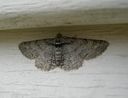
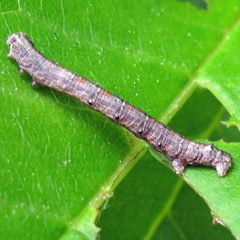
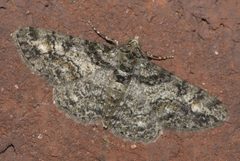
Cleora sublunaria, known as the double-lined gray , is a geometrid moth native to North America. are active primarily from February to June with a single . The species exhibits in forewing length, with males measuring 13–17 mm and females 14–17 mm. Larvae feed on oak (Quercus) and sweetfern (Comptonia) species.
Pronunciation
How to pronounce Cleora sublunaria: /ˈkleɔɹə ˌsʌblʊˈnɛɹiə/
These audio files are automatically generated. While they are not always 100% accurate, they are a good starting point.
Identification
The double-lined gray pattern on the wings distinguishes this from similar gray geometrid moths. The specific wing pattern and size range help separate it from and other gray geometrids in its range.
Images
Appearance
are gray in coloration with distinctive double lines on the wings. Forewing length ranges from 13–17 mm in males and 14–17 mm in females.
Habitat
Associated with containing plants: oak forests and areas with sweetfern. Larval habitat includes foliage of Quercus and Comptonia .
Distribution
Recorded from the south-eastern United States west to Texas. Distribution records also include Vermont.
Seasonality
active February to June in one per year. Larvae present June to July.
Diet
Larvae feed on Quercus (oak) and Comptonia (sweetfern) . diet not specified in available sources.
Host Associations
- Quercus - larval food plantOak .
- Comptonia - larval food plantSweetfern .
Life Cycle
(one per year). emerge February–June, mate, and oviposit. Larvae feed June–July, then presumably pupate and overwinter in that stage or as adults.
Ecological Role
Larval herbivore on oak and sweetfern. Role in as prey for not documented in available sources.
Similar Taxa
- Other Cleora speciesSimilar gray coloration and geometrid ; distinguished by wing pattern details and size.
- Other gray GeometridaeMany geometrids share gray coloration; C. sublunaria distinguished by double-lined wing pattern and specific size range.
More Details
Taxonomic authorship
Originally described by Guenée in 1858, placed in parentheses indicating the was originally described in a different .