
Cleora
Curtis, 1825
Species Guides
2- Cleora projecta(projecta gray)
- Cleora sublunaria(double-lined gray moth)
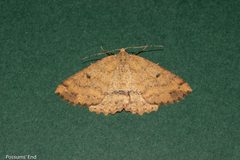
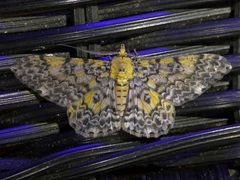
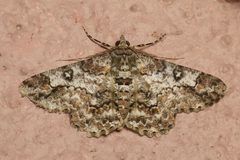
Cleora is a of geometrid moths erected by John Curtis in 1825. The genus contains approximately 50 described distributed across multiple continents. Some species, such as Cleora cornaria (the neem looper), are economically significant as defoliators of cultivated trees. The genus includes species with varied reflecting their appearance or associations, including the ringed carpet (C. cinctaria), projected gray (C. projecta), double-lined gray (C. sublunaria), and kawakawa looper (C. scriptaria).
Pronunciation
How to pronounce Cleora: /ˈklɛoʊrə/
These audio files are automatically generated. While they are not always 100% accurate, they are a good starting point.
Images
Habitat
vary by ; Cleora cornaria is associated with neem (Azadirachta indica) plantations and natural stands in India. Other species occupy diverse environments including open fields, forest edges, and agricultural areas.
Distribution
Widespread distribution with records from Europe (Denmark, Norway, Sweden), North America (Vermont, United States), and Asia (India, Southeast Asia, Pacific islands including Samoa, Sri Lanka). Individual show more restricted ranges.
Diet
Larvae of Cleora cornaria feed on neem (Azadirachta indica) leaves. Diet of other within the is not documented in available sources.
Host Associations
- Azadirachta indica - larval neem looper (Cleora cornaria)
Life Cycle
Cleora cornaria exhibits complete with four stages: (2-4 days incubation), larva (5 instars, 15-22 days duration), pupa (11-15 days, non-feeding stage in soil and plant debris), and . Adult male lifespan: 5-8 days; adult female lifespan: 9-12 days. details for other Cleora are not documented.
Behavior
Larvae of Cleora cornaria display characteristic looping locomotion typical of Geometridae. is not documented.
Ecological Role
Cleora cornaria functions as a herbivorous pest of neem, with potential for defoliation. Ecological roles of other are not documented.
Human Relevance
Cleora cornaria is an agricultural pest of neem trees, requiring management in affected areas. Some have acquired suggesting historical or regional significance.
Sources and further reading
- BugGuide
- Wikipedia
- GBIF taxonomy match
- iNaturalist taxon
- NCBI Taxonomy
- Catalogue of Life
- Bug Eric: Wasp Wednesday: Anoplius aethiops
- Bug Eric: Spider Sunday: Dotted Wolf Spider
- Biological Characteristics and Life Cycle of the Neem Looper, Cleora cornaria (Lepidoptera: Geometridae) in Jalgaon District, North Maharashtra, India