
Lycia
Hübner, [1825]
Species Guides
3- Lycia rachelae(Twilight Moth)
- Lycia ursaria(Stout Spanworm Moth)
- Lycia ypsilon(Woolly Gray Moth)
Lycia is a of in the Geometridae, commonly known as the geometer moths. The genus contains distributed across northern Europe and North America, including the well-known brindled beauty (Lycia hirtaria). These moths are typically active in early spring and are characterized by cryptic coloration that provides camouflage against tree bark.
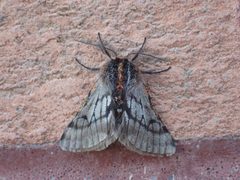
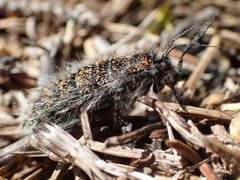
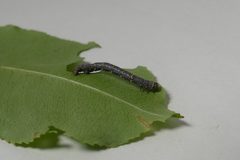
Pronunciation
How to pronounce Lycia: /ˈlɪ.si.ə/
These audio files are automatically generated. While they are not always 100% accurate, they are a good starting point.
Identification
Lycia are medium-sized geometrid moths with broad, somewhat triangular forewings and relatively slender bodies. typically exhibit cryptic brown or gray coloration with intricate patterns that resemble tree bark or lichen. Males often have strongly feathered , while females have thread-like antennae. The can be distinguished from similar geometrid genera by wing venation patterns and genitalia , though species-level identification often requires examination of genitalic structures.
Images
Habitat
in this inhabit temperate woodland and forest , particularly deciduous and mixed forests. Larvae feed on the foliage of various broad-leaved trees and shrubs.
Distribution
The occurs in northern Europe (including Denmark, Norway, and Sweden) and eastern North America (including Vermont, United States). Distribution records indicate a -temperate range centered on northern Eurasia and corresponding North American latitudes.
Seasonality
are typically active in early spring, with periods generally occurring from March to May depending on latitude and local climate conditions. This early-season activity is characteristic of the and related spring-emerging geometrids.
Diet
Larvae feed on foliage of broad-leaved trees and shrubs, including of Betula (birch), Alnus (alder), Salix (willow), and other deciduous woody plants. Specific plant associations vary by species.
Life Cycle
The follows the typical holometabolous pattern of Lepidoptera: , larva (caterpillar), pupa, and . Larvae are solitary feeders on plant foliage. occurs in soil or leaf litter, with adults emerging in early spring. Some may exhibit extended , with pupae for more than one season before adult .
Behavior
are and attracted to light. Males are active fliers and seek females using cues. The cryptic adult coloration provides effective camouflage against tree bark during daytime resting periods. Larvae are relatively sedentary feeders, moving only to fresh foliage when necessary.
Ecological Role
Larvae function as primary consumers in forest , converting tree and shrub foliage into available to and decomposers. The contributes to nutrient cycling in temperate woodland and serves as prey for various insectivorous birds, bats, and predators.
Human Relevance
Some , particularly Lycia hirtaria (brindled beauty), are familiar to naturalists and enthusiasts due to their early spring period and distinctive appearance. The has no significant economic importance as pests or beneficial insects. are occasionally recorded at light traps used for ecological monitoring and citizen science programs.
Similar Taxa
- BistonSimilar bark-mimicking cryptic coloration and spring period, but Biston typically have more rounded wing margins and different genitalia structure.
- Lycia
- PeribatodesOverlapping preferences and cryptic brown coloration, but Peribatodes generally show more uniform wing patterns and lack the strongly feathered male characteristic of Lycia.
- SelidosemaSimilar size and woodland , but Selidosema exhibit different wing shape and pattern elements, with more prominent transverse lines on the forewings.
More Details
Taxonomic history
The Lycia was established by Jacob Hübner in 1825. It has undergone various taxonomic revisions, with some formerly placed in related genera such as Biston or Amphidasis now included in Lycia based on morphological and molecular evidence. The type species is Lycia hirtaria (Clerck, 1759).
Species diversity
The contains approximately 6-8 recognized , though the exact number varies depending on taxonomic interpretation. Notable species include Lycia hirtaria (brindled beauty), Lycia zonaria (belted beauty), and Lycia lapponaria (Lapland beauty). Some authorities recognize subspecific , particularly in widespread species.