
Lycia ursaria
(Walker, 1860)
Stout Spanworm Moth, Bear
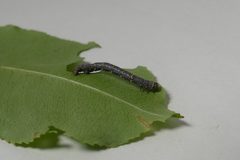
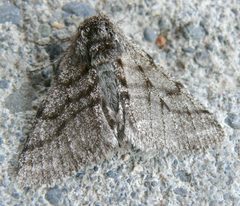
Lycia ursaria is a in the Geometridae, commonly known as the stout spanworm moth or bear. First described by Francis Walker in 1860, it occurs in southern Canada and the northern United States. are active in spring, with larvae feeding on leaves of various broadleaved trees and shrubs. The has a single per year.

Pronunciation
How to pronounce Lycia ursaria: //ˈlɪsiə ʊrˈsɑːriə//
These audio files are automatically generated. While they are not always 100% accurate, they are a good starting point.
Identification
have a wingspan of approximately 45 mm. Distinguishing features from similar Lycia require examination of wing pattern and genitalia; the 'stout spanworm' suggests a relatively robust body form compared to related spanworm .
Images
Habitat
Found in wooded areas and landscapes containing broadleaved trees and shrubs. Larval includes the foliage of plants across multiple .
Distribution
Southern Canada (Alberta, Manitoba, Saskatchewan, Quebec, Ontario) and northern United States, extending south to New Jersey and Iowa.
Seasonality
are on wing from March to June. One per year; .
Diet
Larvae feed on leaves of various broadleaved trees and shrubs: Alnus (alders), Malus (apples), Fraxinus (ashes), Tilia (basswoods/limes), Betula (birches), Vaccinium (blueberries), Cornus (dogwoods), Ulmus (elms), Crataegus (hawthorns), Populus (poplars), and Salix (willows). diet not documented.
Life Cycle
Single per year (). active March through June. Larval stage feeds on plant foliage; and stage not explicitly documented in available sources.
Ecological Role
Larval herbivore on diverse broadleaved woody plants; contributes to nutrient cycling and serves as prey for . Specific ecological interactions not documented.