
Erannis vancouverensis
Hulst, 1896
Vancouver Looper
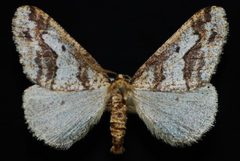
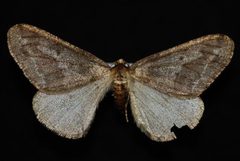
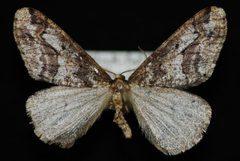
Erannis vancouverensis is a geometrid occurring from northern British Columbia to central California. Larvae feed on young leaves of deciduous trees. emerge during late autumn, with females being wingless. The occasionally reaches levels and is subject to natural control through virus and tachinid fly .
Pronunciation
How to pronounce Erannis vancouverensis: /ɛˈrænɪs vænˌkuːvərˈɛnsɪs/
These audio files are automatically generated. While they are not always 100% accurate, they are a good starting point.
Identification
Females are wingless, a key distinguishing feature from most other geometrid moths. Males may be distinguished from related Erannis by genitalia and wing patterns, though specific diagnostic characters are not detailed in available sources. Larval instars have been described in detail in taxonomic literature.
Images
Habitat
Deciduous forests containing tree ; specifically areas where young leaves of deciduous trees are available for larval feeding.
Distribution
Northern British Columbia to central California along the Pacific coast of North America.
Seasonality
emerge during late autumn; occasionally observed during winter or early spring. Winter is passed in the stage or sometimes in the pupal stage.
Diet
Larvae feed on young leaves of several of deciduous trees; specific plant species not explicitly named in available sources.
Life Cycle
Winter passed in stage or sometimes in pupal stage. emerge late autumn, occasionally winter or early spring. Larval instars described in detail; complete with egg, larva, pupa, and adult stages.
Behavior
Occasionally reported at levels. Larvae feed on young leaves. Females are flightless, likely limiting capacity.
Ecological Role
Herbivore feeding on deciduous tree foliage; serves as for tachinid fly . influenced by viral and , contributing to natural .
Human Relevance
Occasionally reaches levels, potentially causing defoliation of deciduous trees. Subject to natural control agents (virus , flies) that may have potential for applications.
Similar Taxa
- Erannis defoliariaRelated geometrid in same ; distinguished by distribution (Palearctic) and winged females.
- Erannis tiliariaRelated North American geometrid in same ; specific distinguishing features not detailed in available sources.
More Details
Taxonomic note
Erannis vancouverensis was described by Hulst in 1896. The has been subject to taxonomic confusion with related Erannis species; detailed morphological descriptions of life stages exist in the primary literature.