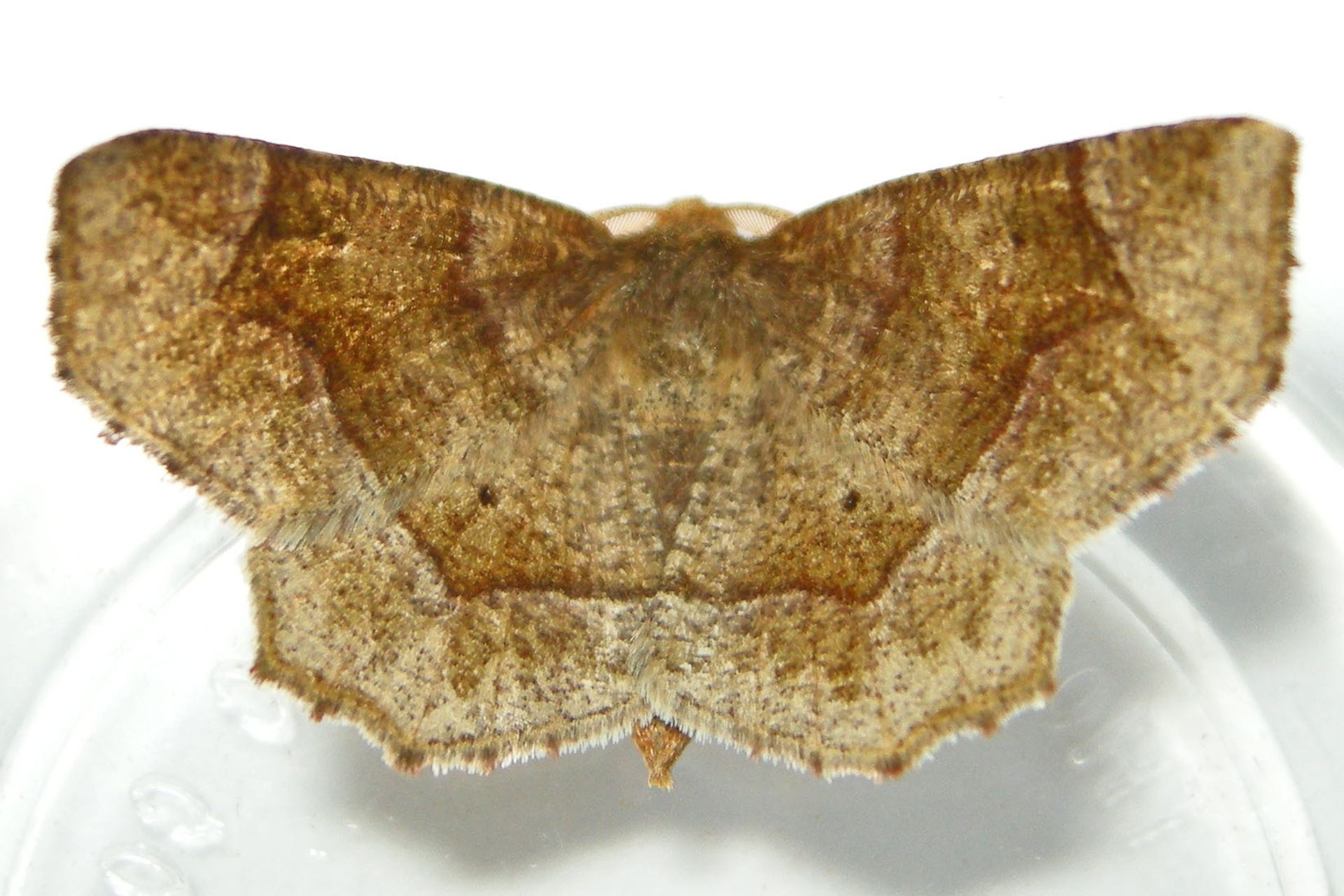
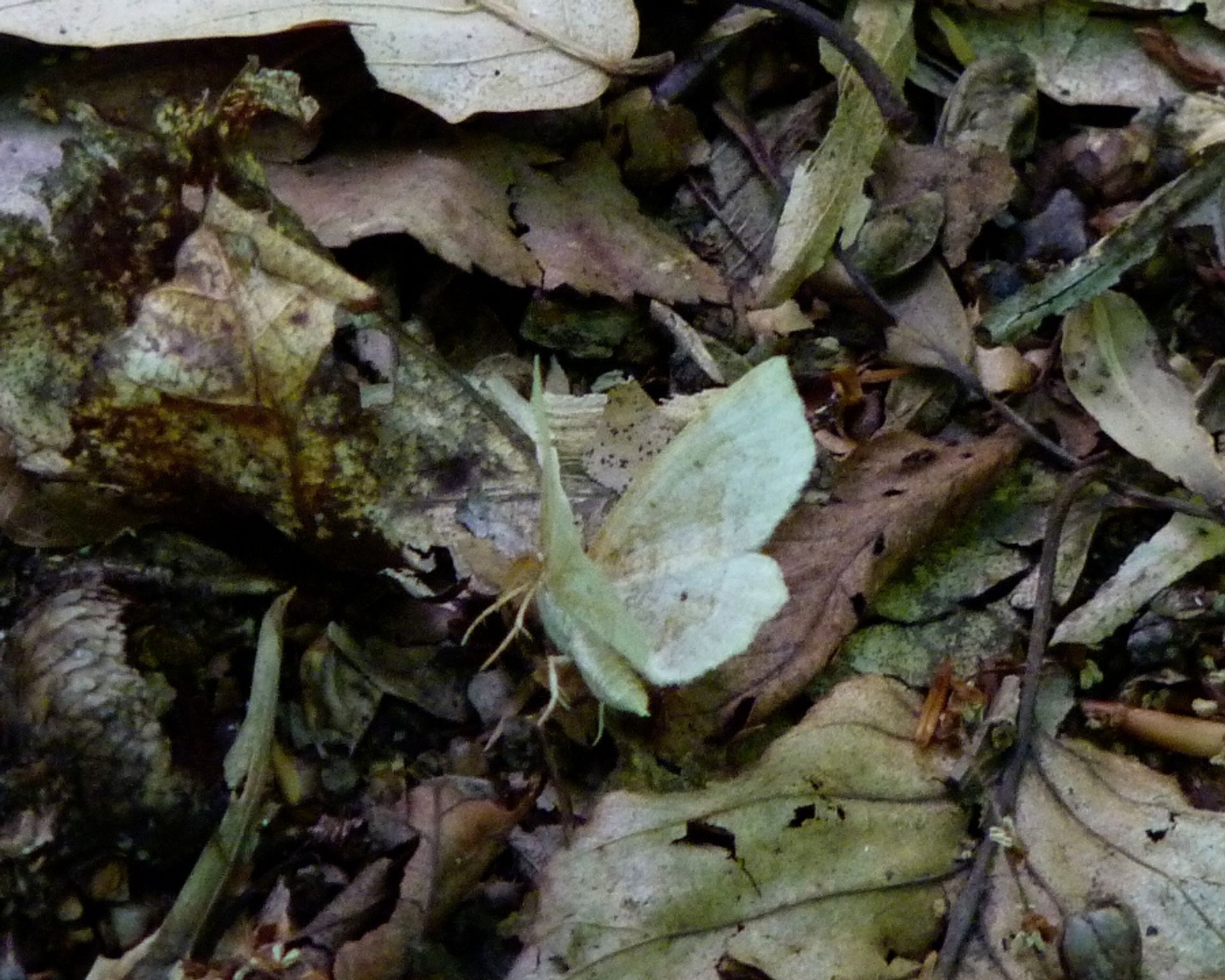
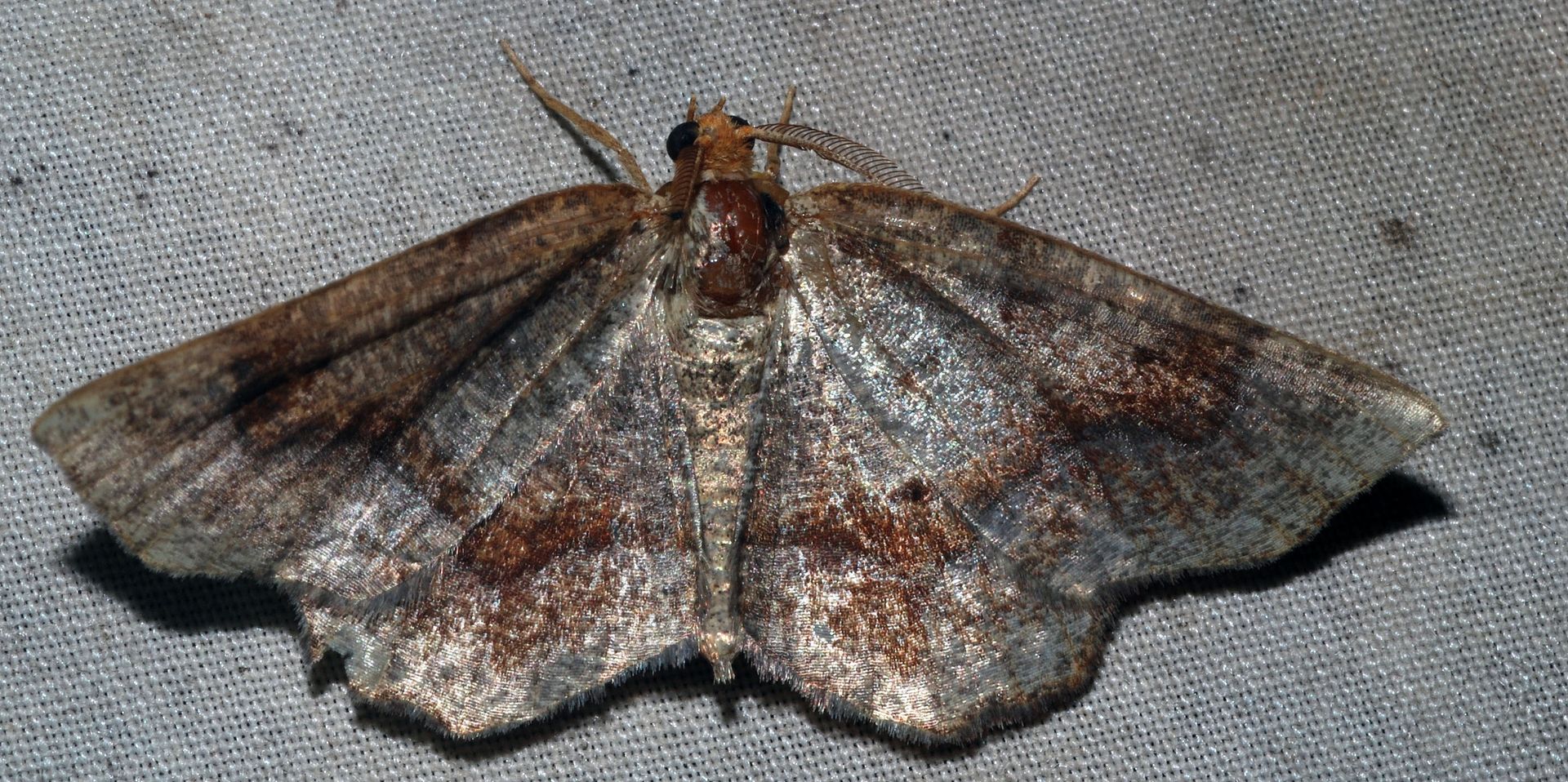
Metarranthis hypochraria
(Herrich-Schäffer, [1854])
Common Metarranthis Moth
A geometrid native to eastern North America. Larvae are stick mimics that feed primarily on Prunus . are active in spring, with one per year.
Pronunciation
How to pronounce Metarranthis hypochraria: /mɛtɑˈrænθɪs haɪpoʊˈkrɛəriə/
These audio files are automatically generated. While they are not always 100% accurate, they are a good starting point.
Identification
may be distinguished from similar pale geometrid moths by geographic range and subtle wing pattern details; precise identification often requires examination of genitalia. Larvae are recognized by their stick-mimic posture and association with Prunus .
Images
Appearance
have pale yellowish to cream-colored wings with subtle patterning. Larvae are slender, elongate, and cryptically colored to resemble twigs.
Habitat
Associated with deciduous forests and woodland edges where plants occur.
Distribution
Eastern North America; records include Vermont and surrounding regions.
Seasonality
active in spring. Larvae present June to July. One per year.
Diet
Larvae feed on various trees and shrubs, with documented preference for Prunus .
Host Associations
- Prunus - larval primary
Life Cycle
: one per year. Larval stage June–July.
Behavior
Larvae are stick mimics, adopting cryptic posture and coloration to avoid .
Similar Taxa
- Other Metarranthis speciesSimilar pale coloration and wing pattern; require detailed examination for separation
- Pale geometrid moths in EnnominaeShared characteristics; geographic and data assist identification
More Details
Taxonomic note
Described by Herrich-Schäffer in 1854. Placed in Ennominae.