
Metarranthis
Warren, 1894
Species Guides
12- Metarranthis amyrisaria
- Metarranthis angularia(Angled Metarranthis Moth)
- Metarranthis duaria(Ruddy Metarranthis Moth)
- Metarranthis homuraria(Purplish Metarranthis Moth)
- Metarranthis hypochraria(Common Metarranthis Moth)
- Metarranthis indeclinata(Pale Metarranthis Moth)
- Metarranthis lateritiaria(Southern Metarranthis Moth)
- Metarranthis mollicularia
- Metarranthis obfirmaria(Yellow-washed Metarranthis)
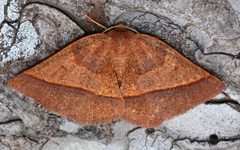
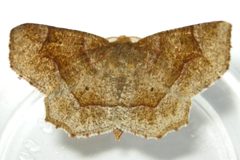
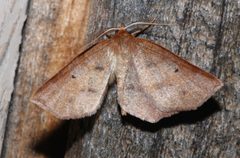
Metarranthis is a of in the Geometridae, Ennominae, comprising approximately 13 described . These moths are characterized by moderate size, with wingspans ranging from 30 to 43 mm. The genus was established by Warren in 1894 and is primarily distributed in North America.
Pronunciation
How to pronounce Metarranthis: //mɛt.əˈræn.θɪs//
These audio files are automatically generated. While they are not always 100% accurate, they are a good starting point.
Identification
Medium-sized geometrid moths with wingspans of 30–43 mm. Distinguished from similar Ennominae by combination of wing shape, pattern elements, and genitalic structures (requiring dissection for definitive identification). -level identification relies on subtle differences in wing pattern, particularly the configuration of transverse lines and markings. Similar to some Cabera and Lomographa species but generally with more rounded wing apices and less contrasting pattern elements.
Images
Appearance
Wingspan 30–43 mm. Members of this exhibit typical geometrid with relatively broad, somewhat rounded forewings. Coloration varies among , generally in muted tones of brown, gray, and reddish-brown. Wing patterns often include wavy transverse lines and variable spotting. are in both sexes. Body is moderately robust compared to some slender geometrids.
Habitat
Deciduous forests. Associated with wooded environments containing the larval plants.
Distribution
North America. Distribution records include the United States, with specific occurrence data from Vermont and broader US range.
Seasonality
active April to June. Single-brooded () with adult period concentrated in spring.
Diet
Larvae feed on deciduous trees and shrubs. Specific plant records vary by ; do not feed.
Host Associations
- deciduous trees - larval food plantgeneral category for
- deciduous shrubs - larval food plantgeneral category for
Life Cycle
Complete with , larva, pupa, and stages. Larvae are the feeding stage, consuming foliage of deciduous woody plants. occurs in soil or leaf litter. Adults emerge in spring (April–June). Single per year.
Ecological Role
Larvae function as primary consumers (herbivores) in deciduous forest , processing leaf of trees and shrubs. serve as potential prey for insectivorous birds, bats, and other during spring period.
Human Relevance
No significant direct economic impact. Occasionally encountered by naturalists and enthusiasts. Larval feeding is not known to cause notable damage to ornamental or timber trees.
Similar Taxa
- CaberaSimilar size and wing pattern, but Cabera typically have more angular wing margins and different antennal structure in males
- LomographaComparable Ennominae with similar preferences; Lomographa often shows more contrasting black-and-white patterning
More Details
Taxonomic History
established by Warren in 1894. The genus includes 13 described , with most described in the 19th and early 20th centuries. The type species has not been explicitly designated in available sources.
Species Diversity
Contains 13 : M. amyrisaria, M. angularia, M. apiciaria, M. duaria, M. homuraria, M. hypochraria, M. indeclinata, M. lateritiaria, M. mollicularia, M. obfirmaria, M. pilosaria, M. refractaria, and M. warneri.