
Mompha sexstrigella
(Braun, 1921)
Mompha sexstrigella is a small in the Momphidae with a Holarctic distribution, occurring across northern Eurasia and western North America. The is , with active from late June to mid-August. Larvae are leaf miners on fireweed (Chamaenerion angustifolium), feeding from July to August.
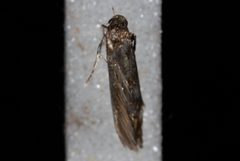
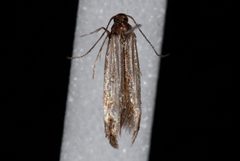
Pronunciation
How to pronounce Mompha sexstrigella: /ˈmɒmfə sɛkstrɪˈdʒɛlə/
These audio files are automatically generated. While they are not always 100% accurate, they are a good starting point.
Identification
Small wingspan (10–11 mm) distinguishes it from larger Momphidae; specific pattern details require examination of reference collections. Geographic distribution and may aid identification where sympatric with .
Images
Habitat
Associated with supporting its plant Chamaenerion angustifolium (fireweed), which typically colonizes disturbed ground, forest clearings, and burned areas.
Distribution
Holarctic: northern Fennoscandia and Estonia in Europe; Altai Mountains, southern Siberia, and Sakhalin in Asian Russia; Canada and western United States in North America. GBIF records confirm presence in Sweden.
Seasonality
on wing from second half of June to middle of August; one per year. Larvae present July to August.
Diet
Larvae feed on Chamaenerion angustifolium (fireweed), mining leaves.
Host Associations
- Chamaenerion angustifolium - larval Larvae mine leaves of this plant.
Life Cycle
One per year (). Larval stage July–August; stage late June to mid-August. details not documented.
Behavior
Larvae are leaf miners, feeding internally within plant leaves. period spans approximately six weeks in mid-summer.
Ecological Role
on fireweed; specific ecological impacts not documented.
Human Relevance
No documented economic or cultural significance.
Similar Taxa
- Other Mompha speciesSimilar small size and general ; identification requires examination of genitalia or wing pattern details not fully described in available sources.
More Details
Basionym
Originally described as Psacaphora sexstrigella Braun, 1921.