Mompha raschkiella
Zeller, 1839
Little Cosmet
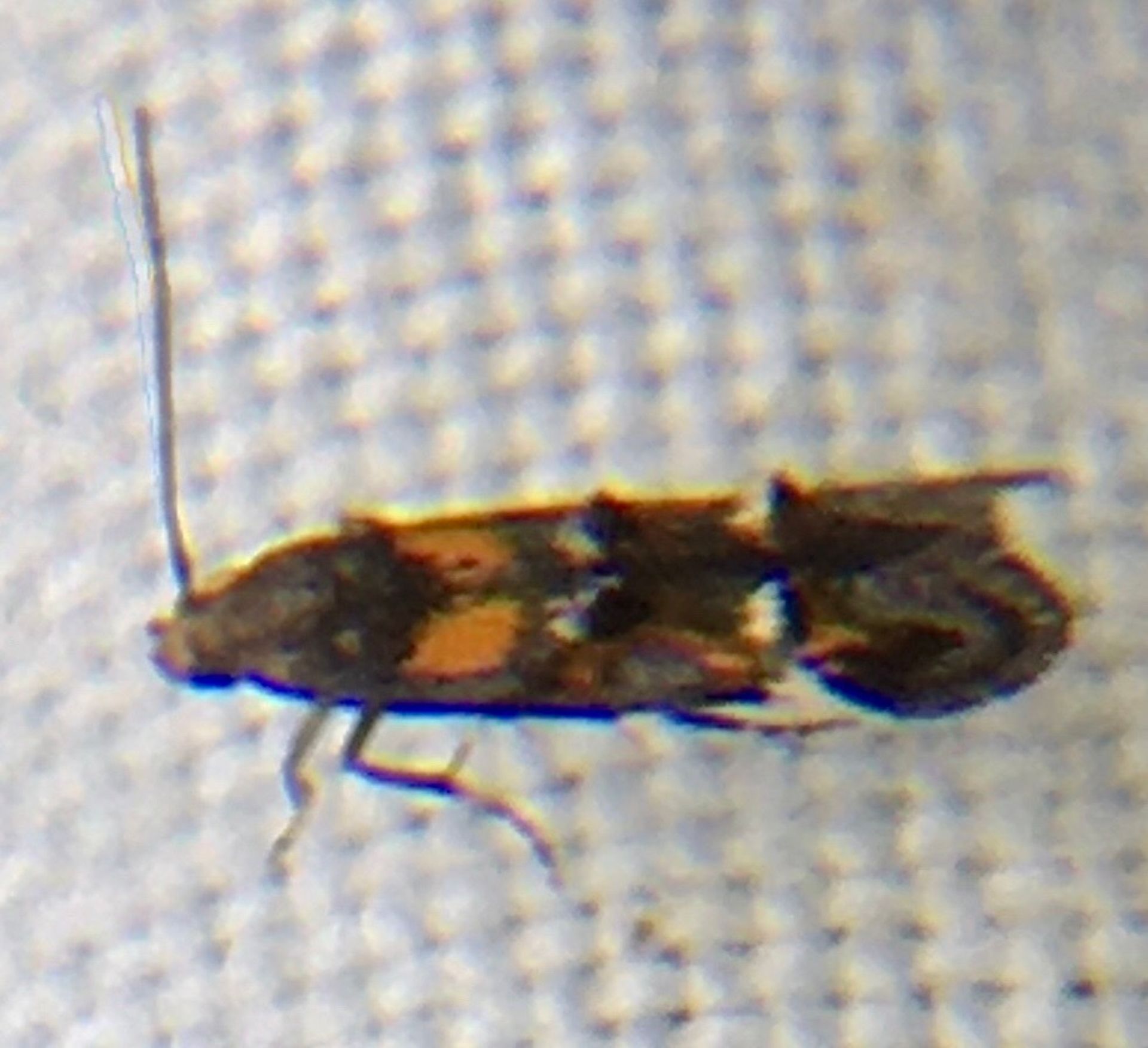
Mompha raschkiella is a European micromoth with a wingspan of 7–11 mm. It is distinguished by its leaden metallic , silvery , and distinctive forewing pattern featuring orange-yellow spots and leaden-metallic markings. The has two annually, with active in May and August. Larvae are leaf miners on rosebay willowherb (Epilobium angustifolium).
Pronunciation
How to pronounce Mompha raschkiella: /ˈmɔm.fə ræʃˈkiːɛl.lə/
These audio files are automatically generated. While they are not always 100% accurate, they are a good starting point.
Identification
Distinguished from the similar Mompha locupletella by the absence of contrasting dark and light patches at the base of the forewing. The combination of orange-yellow and discal spots with leaden-metallic fasciae and spots is diagnostic.
Images
Habitat
Waste ground, woodland clearings, heathland, and roadside verges. Associated with stands of rosebay willowherb.
Distribution
to Europe. Recorded from Belgium (rare), the Isle of Wight, southern Hampshire, Northwich woods, Suffolk (common, especially coastal areas and Brecks), St. Helens (Merseyside, scarce), and Huntingdonshire.
Seasonality
on wing in May and August. Two per year. Larvae occur May to late July and late August to September.
Diet
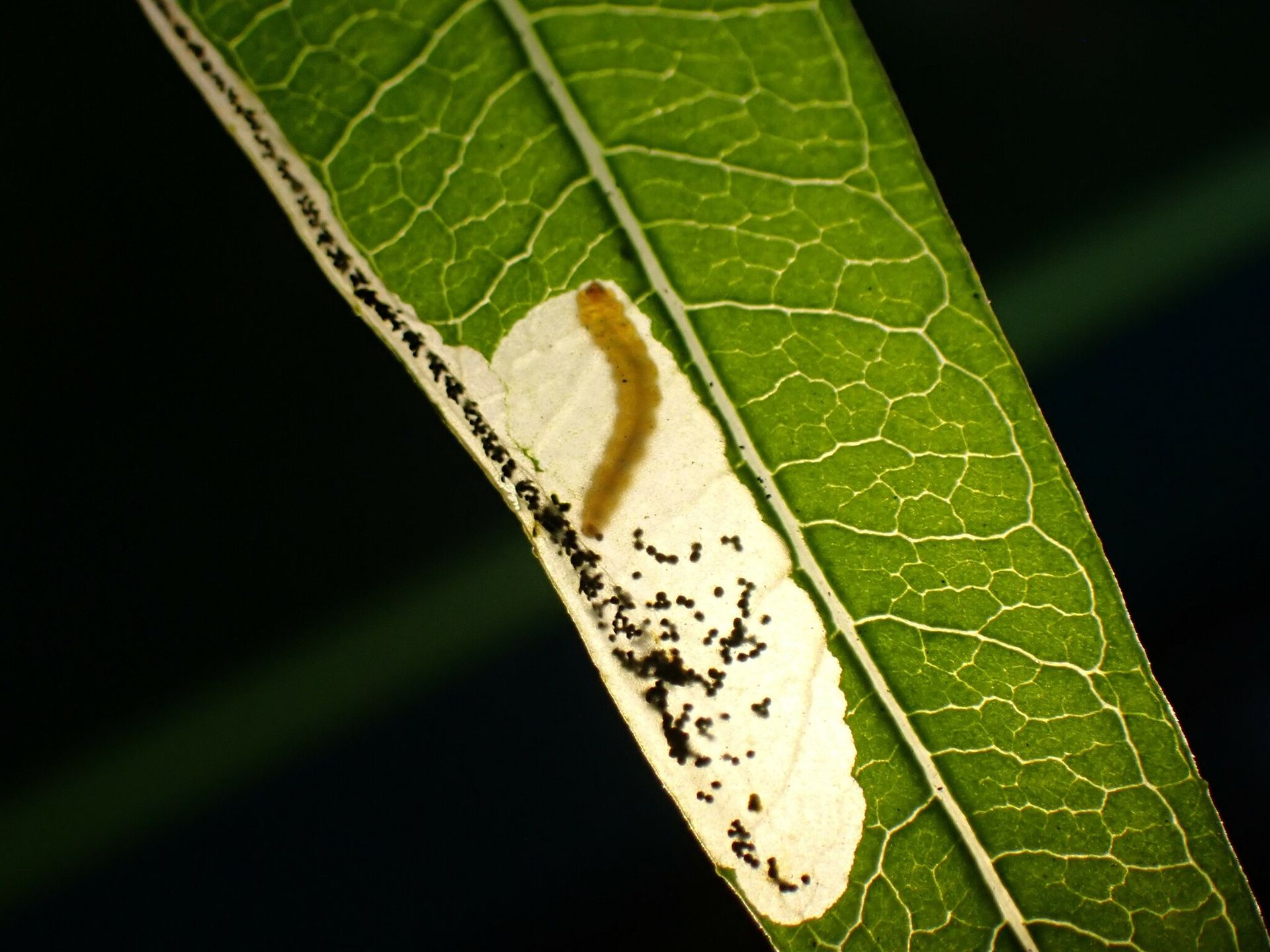
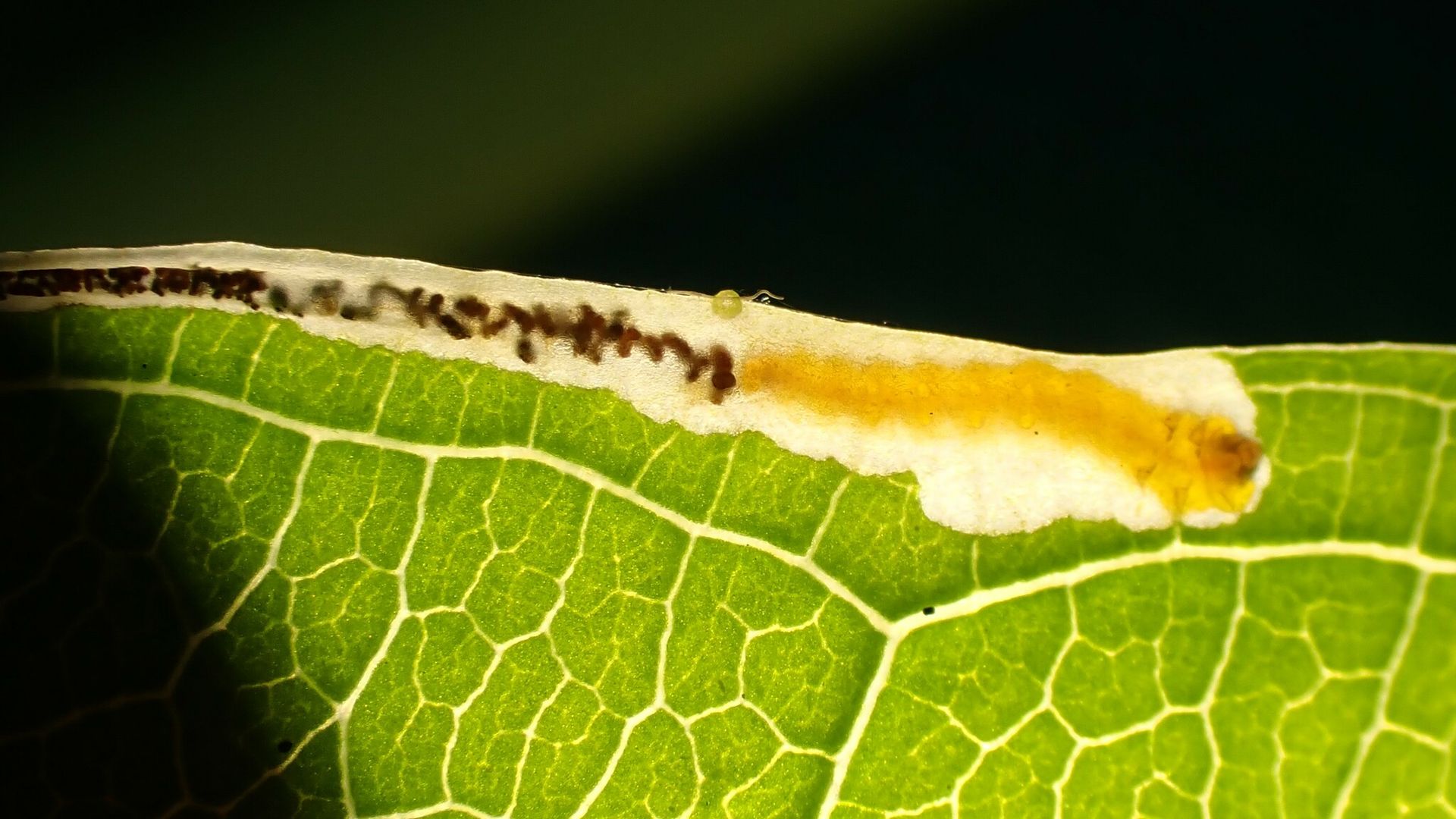
Larvae mine leaves of rosebay willowherb (Epilobium angustifolium).
Host Associations
- Epilobium angustifolium - larval Larvae create yellowish blotch mines on leaves
Life Cycle
Oval laid on leaf surfaces near the midrib. Larvae mine leaves, causing yellowish blotches that bleach rapidly after larval departure. occurs among ground detritus. Overwinters as pupa.
Behavior
Larvae feed as leaf miners within rosebay willowherb leaves. are or , active during daylight hours in appropriate weather conditions.
Ecological Role
on rosebay willowherb, a common pioneer plant of disturbed . The contributes to local biodiversity in early successional plant .
Human Relevance
Subject of entomological recording and study. The is used as an indicator of rosebay willowherb stands in surveys. No economic significance.
Similar Taxa
- Mompha locupletellaSimilar size and general appearance, but M. locupletella has contrasting dark and light patches at the base of the forewing, which M. raschkiella lacks.
More Details
Conservation status
Rare in Belgium; common and widely distributed in parts of southern England.
Historical records
First described by Philipp Christoph Zeller in 1838 (published 1839).