
Mompha idaei
Zeller, 1839
Pronunciation
How to pronounce Mompha idaei: //ˈmɒmfə ɪˈdaɪaɪ//
These audio files are automatically generated. While they are not always 100% accurate, they are a good starting point.
Identification
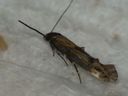
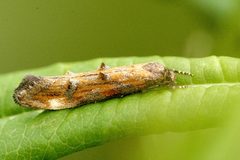
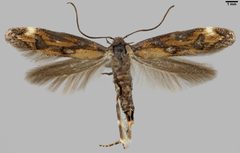
have a wingspan of 18–22 mm. The can be distinguished from similar Mompha species by its size range and the specific plant association with Epilobium species.
Images
Habitat
Found in forest and associated environments where plants Epilobium angustifolium and Epilobium latifolium occur.
Distribution
Holarctic distribution. In North America: coast to coast in the forest, south to Colorado and Washington. In Europe: recorded from Belgium (Flemish Region, Walloon Region, Brabant province, Hainaut province).
Seasonality
are active from May to July.
Diet
Larvae feed in the roots of Epilobium angustifolium and Epilobium latifolium. diet not documented.
Host Associations
- Epilobium angustifolium - larval larvae live in roots
- Epilobium latifolium - larval larvae live in roots
Life Cycle
Larvae develop in the roots of plants. Specific details of and stages not documented.
Ecological Role
Root-feeding larvae may influence plant vigor. Specific ecological impacts not documented.
Similar Taxa
- Other Mompha speciesSimilar size and appearance; distinguished by plant specificity and genitalia examination.