
Neotelphusa
Janse, 1958
Species Guides
4- Neotelphusa on-myricaceae
- Neotelphusa praefixa
- Neotelphusa querciella
- Neotelphusa sequax(Crepuscular rock-rose moth)
Neotelphusa is a of gelechiid moths established by Janse in 1958, containing approximately 23 described distributed primarily in the Palearctic and Afrotropical regions. The genus belongs to the tribe Litini within the Gelechiinae. Species have been described from Europe, Asia, and southern Africa, with several species originally placed in other genera and later transferred to Neotelphusa. The genus includes the type species Neotelphusa sequax (Haworth, 1828), originally described under Tinea.
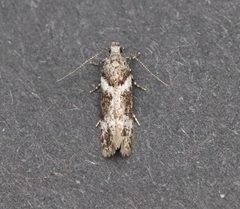
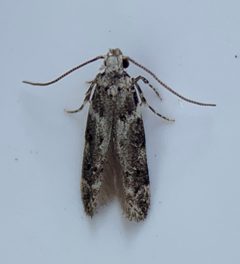
Pronunciation
How to pronounce Neotelphusa: //niː.oʊˈtɛlf.juː.sə//
These audio files are automatically generated. While they are not always 100% accurate, they are a good starting point.
Identification
Neotelphusa are small gelechiid moths, generally with wingspans under 15 mm. Diagnostic features include characteristic genitalia , particularly the male valvae and female signa, which distinguish the from related litine genera such as Teleiodes and Symmoca. Most species exhibit muted coloration in shades of brown, grey, and ochre, often with distinctive fasciae or maculation patterns on the forewings that serve as specific identifiers.
Images
Distribution
The has a disjunct distribution spanning the Palearctic and Afrotropical realms. European records include N. sequax and N. huemeri. Asian distribution includes N. castrigera and N. craterota from the Indian subcontinent. The majority of (14 of 23) were described from South Africa by Janse, indicating a significant Afrotropical radiation. Records from GBIF and iNaturalist suggest ongoing range documentation, particularly in Europe.
Similar Taxa
- TeleiodesBoth belong to tribe Litini and share similar external ; distinguished by genitalia structure, particularly the shape of the male uncus and gnathos.
- SymmocaOverlaps in distribution and general appearance; Neotelphusa is distinguished by forewing venation and genitalic characters, particularly the configuration of the signum in females.
- AristoteliaSimilar size and coloration in some ; Aristotelia typically exhibits more pronounced wing patterning and differs in male genitalia with more elaborate cornuti on the .
More Details
Taxonomic History
The was erected by Anthonie Johannes Theodoor Janse in 1958 primarily to accommodate South African previously assigned to other genera, along with the European species Tinea sequax. Several species were transferred from Teleia (now Teleiodes) and related genera based on genitalic .
Species Diversity
Of the 23 recognized , 14 were described by Janse from South African material collected in the mid-20th century, suggesting either high local diversity or intensive collecting effort in that region. Only three species (N. sequax, N. querciella, N. praefixa) were described prior to Janse's 1958 revision.