
Neotelphusa sequax
(Haworth, 1828)
Crepuscular rock-rose moth
A small gelechiid with a wingspan of 11–14 mm. are active in July. Larvae are specialized feeders on rock-rose in the Helianthemum. Known from Europe and introduced to North America.
Pronunciation
How to pronounce Neotelphusa sequax: //ˌniː.oʊˈtɛlfjuːsə ˈse.kwæks//
These audio files are automatically generated. While they are not always 100% accurate, they are a good starting point.
Identification
Small size (11–14 mm wingspan) and July period are key features. Distinguishable from congeneric by genitalia examination; external requires verification. Association with Helianthemum plants supports identification.
Images
Appearance
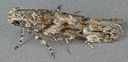
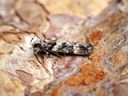
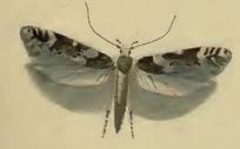
Small with wingspan of 11–14 mm. Specific wing pattern details not documented in available sources.
Habitat
supporting plants Helianthemum nummularium and Helianthemum oelandicum, which include calcareous grasslands, rocky slopes, and open dry habitats in Europe.
Distribution
Native to most of Europe; recorded from Belgium (Antwerpen, Liège, Luxembourg, Namur provinces). Introduced and established in North America.
Seasonality
active in July. Larval stage timing not specified in sources.
Diet
Larvae feed on Helianthemum nummularium and Helianthemum oelandicum (Cistaceae). feeding habits unknown.
Host Associations
- Helianthemum nummularium - larval food plantCommon rock-rose
- Helianthemum oelandicum - larval food plantHoary rock-rose
Life Cycle
Complete with larval stage on plants. Specific details of and stage not documented.
Ecological Role
Herbivore on rock-rose ; contributes to nutrient cycling in calcareous grassland .
Human Relevance
No significant economic or cultural importance. Presence may indicate intact calcareous grassland .
Similar Taxa
- Other Neotelphusa speciesSimilar size and general appearance; require genitalia dissection or molecular analysis for definitive identification
- Other small GelechiidaeOverlap in size and ; plant association and timing help distinguish N. sequax
More Details
Etymology
Specific epithet 'sequax' from Latin, meaning 'following' or 'attendant'; origin of ' rock-rose ' refers to twilight activity and plant association