
Isophrictis
Meyrick, 1917
Species Guides
7Isophrictis is a of small in the Gelechiidae, first described by Edward Meyrick in 1917. Members of this genus are classified within the Aristoteliinae. The genus contains multiple distributed across parts of Europe and North America. These moths are part of a large family of microlepidoptera known for their often narrow wings and cryptic coloration.
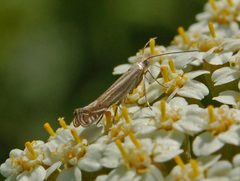
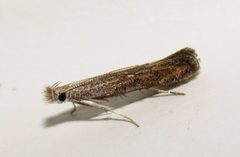
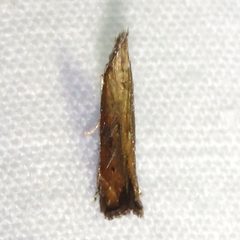
Pronunciation
How to pronounce Isophrictis: /ˌaɪsəˈfrɪktɪs/
These audio files are automatically generated. While they are not always 100% accurate, they are a good starting point.
Identification
Isophrictis are small gelechiid moths with the characteristic narrow, wings typical of the . Specific identification to species level generally requires examination of genitalia or detailed wing pattern analysis. As a within Aristoteliinae, they may be distinguished from related genera by subtle differences in wing venation and genitalic structure, though these features require knowledge.
Images
Distribution
Documented from Denmark, Norway, and Sweden; additional records indicate presence in North America north of Mexico. The appears to have a Holarctic distribution pattern.
Similar Taxa
- Other Aristoteliinae generaSimilar small size and wing shape; distinguished by genitalic characters and subtle wing pattern differences requiring expert examination.
- GelechiinaeOverlapping general ; Aristoteliinae including Isophrictis may differ in wing venation and larval habits, though these distinctions are not always externally visible.
More Details
Taxonomic history
The was established by Edward Meyrick in 1917. Seventeen new were described from the southern Ural Mountains in 2010, indicating ongoing taxonomic work and likely incomplete species inventory.