
Isophrictis striatella
(Denis & Schiffermüller, 1775)
white-border neb
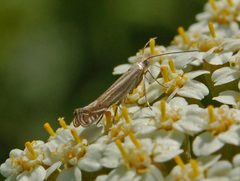
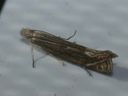
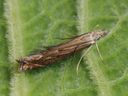
Isophrictis striatella is a small gelechiid with a wingspan of approximately 12 mm. It has a broad distribution across most of Europe, Turkey, and North America. are active from mid-June through September. The larvae feed on specific plants in the Asteraceae .
Pronunciation
How to pronounce Isophrictis striatella: //aɪsəˈfrɪktɪs ˌstraɪəˈtɛlə//
These audio files are automatically generated. While they are not always 100% accurate, they are a good starting point.
Identification
Small size (12 mm wingspan) distinguishes it from larger gelechiid moths. The 'white-border neb' suggests pale marginal markings on the wings, though specific diagnostic characters require verification. Genitalia examination may be necessary for definitive identification from .
Images
Habitat
Associated with supporting its larval plants: Tanacetum vulgare (tansy), Achillea ptarmica (sneezewort), and Artemisia vulgaris (mugwort). These include meadows, disturbed ground, roadsides, and areas.
Distribution
Most of Europe, Turkey, and North America. Specific records confirmed from Belgium (including Brussels-Capital Region, Flemish Region, Walloon Region, and Antwerpen province).
Seasonality
on wing from mid-June until September.
Diet
Larvae feed on Tanacetum vulgare, Achillea ptarmica, and Artemisia vulgaris (all Asteraceae). feeding habits are not documented.
Host Associations
- Tanacetum vulgare - larval food planttansy
- Achillea ptarmica - larval food plantsneezewort
- Artemisia vulgaris - larval food plantmugwort
Ecological Role
Larval herbivore on specific Asteraceae . Role in pollination, , or is not documented.
Similar Taxa
- Other Isophrictis species share small size and similar associations; genitalia examination typically required for separation
- Other small GelechiidaeSimilar size and general ; plant specificity and wing pattern details may aid distinction
More Details
Nomenclature
Originally described as Tinea striatella by Denis & Schiffermüller in 1775; later transferred to Isophrictis.