
Aristotelia lespedezae
Braun, 1930
Aristotelia lespedezae is a small in the twirler moth Gelechiidae, described by Annette Frances Braun in 1930. It occurs in the eastern United States, with records from Alabama, Florida, Kentucky, Maine, North Carolina, Ohio, Oklahoma, and West Virginia. have been documented from late May through October in Kentucky. The name references its presumed larval association with Lespedeza plants.
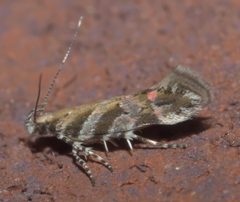
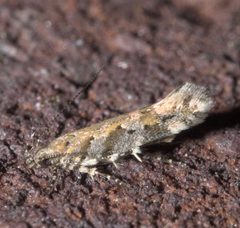
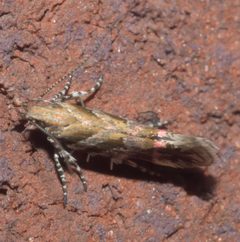
Pronunciation
How to pronounce Aristotelia lespedezae: //ˌærɪstəˈtiːliə lɛsˈpɛdɛzaɪ//
These audio files are automatically generated. While they are not always 100% accurate, they are a good starting point.
Identification
Identification to level in Aristotelia generally requires dissection and examination of genitalia. The species can be distinguished from other Aristotelia by association with Lespedeza plants and geographic distribution in the eastern United States. are attracted to blacklights.
Images
Appearance
As a member of the Aristotelia, this is expected to be a tiny with bold, contrasting markings typical of the group. Aristotelia species are characterized by their small size and distinctive patterning, though specific diagnostic features for A. lespedezae require examination of genitalia or other microscopic characters.
Habitat
Associated with where Lespedeza grow. Lespedeza is a of leguminous plants commonly found in open woodlands, forest edges, fields, and disturbed areas in the eastern United States.
Distribution
Eastern United States: Alabama, Florida, Kentucky, Maine, North Carolina, Ohio, Oklahoma, and West Virginia. Records indicate occurrence east of the Rocky Mountains.
Seasonality
on wing from late May to October, based on observations in Kentucky. Peak activity period likely varies by latitude and local climate conditions.
Diet
Larvae probably feed on Lespedeza (Fabaceae), though this association is inferred from the species epithet and requires confirmation through direct observation or rearing records.
Host Associations
- Lespedeza - probable larval Inferred from name; direct feeding records needed for confirmation
Behavior
are and attracted to ultraviolet light sources. No other specific have been documented.
Ecological Role
As a probable herbivore in larval stages, may contribute to nutrient cycling and serve as prey for and . Specific ecological impacts unknown.
Human Relevance
No documented economic importance. Occasionally encountered by enthusiasts during blacklighting surveys.
Similar Taxa
- Aristotelia elegantellaAnother small, boldly marked Aristotelia in the same ; requires genitalia examination for definitive separation
- Other Aristotelia speciesApproximately 35 named north of Mexico, many with similar size and patterning; plant association and geographic distribution aid identification
More Details
Taxonomic note
The epithet 'lespedezae' is grammatically formed to indicate association with Lespedeza, though the original description should be consulted for Braun's intended meaning.
Research needs
Direct observations of larval feeding, plant confirmation, and detailed studies are lacking for this .