
Aristotelia sp.
twirler moth
Aristotelia is a of small in the Gelechiidae, commonly known as twirler moths. Multiple undescribed species are known to occur in North America, particularly in the southwestern United States. These moths are characterized by bold, distinctive markings despite their small size. The genus contains approximately 35 named north of Mexico, with many more awaiting formal scientific description.
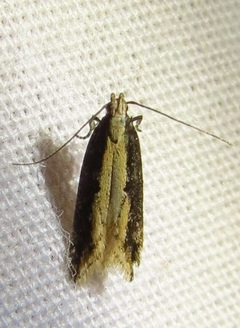
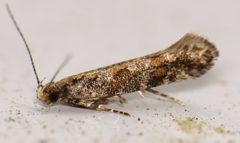
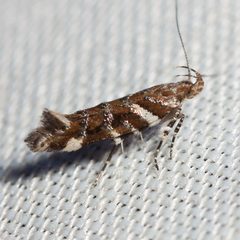
Pronunciation
How to pronounce Aristotelia sp.: //ˌæɹɪˌstɒˈtiːliə//
These audio files are automatically generated. While they are not always 100% accurate, they are a good starting point.
Identification
Aristotelia are tiny but boldly marked, distinguishing them from other gelechiid moths. Identification to level is challenging and often requires examination of genitalia or other microscopic characters not visible to standard photography or field observation. The can be recognized within Gelechiidae by its characteristic wing patterns and body proportions, though precise diagnostic features for separating Aristotelia from related genera are not detailed in available sources.
Images
Distribution
The Aristotelia occurs in North America, with documented observations from Colorado and New Mexico. Specific locality records include Lyons, Colorado and Pinos Altos, New Mexico. The broader geographic range of the genus extends across the United States, with particular diversity in the Southwest.
Seasonality
have been observed in July, attracted to blacklights at night. This coincides with National Week observations in 2018, suggesting summer activity patterns typical of many gelechiid moths.
Diet
Larvae of Aristotelia are known to specialize on particular plants, with many plant serving as food sources across the . Specific host associations for undescribed species are not documented.
Life Cycle
Complete with , larva, pupa, and stages. Larvae are caterpillars that feed on plant material. Details of the for specific undescribed species are unknown.
Behavior
are and attracted to ultraviolet light sources. They have been documented flying to blacklights shortly after sunset.
Ecological Role
As larvae, these function as herbivores, consuming plant tissues. Their specific ecological roles in their native are poorly documented due to the undescribed status of many .
Human Relevance
Aristotelia are of interest to lepidopterists and citizen scientists participating in moth surveys and biodiversity documentation. They contribute to the documented diversity of North American moths but have no known economic or agricultural significance.
Similar Taxa
- Other GelechiidaeMany small in the Gelechiidae share similar size and general . Aristotelia can be distinguished by its bold, distinctive markings, though precise separation requires expert examination.
More Details
Taxonomic status
The Aristotelia contains many undescribed species. The specific epithet 'undescribed' indicates this entry refers to one or more within the genus that have not yet received formal and descriptions.
Research context
Documentation of these often occurs through citizen science events such as National Moth Week, where participants use blacklights to attract and photograph insects. Images are frequently posted to platforms like iNaturalist for identification assistance.