
Holcocerini
Genus Guides
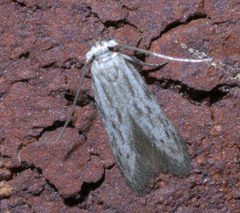
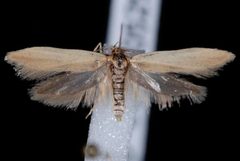
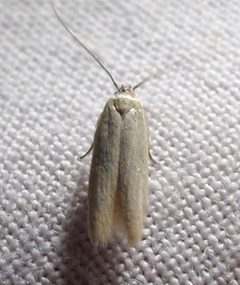
4Holcocerini is a tribe of within the Blastobasidae, a group of small moths in the superfamily Gelechioidea. The tribe contains multiple of blastobasid moths, which are characterized by their relatively plain appearance and often poorly known . Members of this tribe are found across various regions globally, reflecting the distribution of the family. The classification of Blastobasidae and its constituent tribes has undergone revision, with some authorities historically treating these groups as within Coleophoridae.
Pronunciation
How to pronounce Holcocerini: /hɔlˈkɔsɛrɪni/
These audio files are automatically generated. While they are not always 100% accurate, they are a good starting point.
Images
Distribution
Members of Holcocerini have been recorded across multiple continents, with observations documented in North America, Europe, Asia, and other regions. The distribution aligns with the range of the Blastobasidae, though specific range limits for the tribe remain poorly documented.
Similar Taxa
- Other Blastobasidae tribesHolcocerini can be distinguished from other tribes within Blastobasidae primarily through genitalic and wing venation characters used in taxonomic keys, though these require microscopic examination.
- Coleophoridae (case-bearer moths)When Blastobasidae was treated as a of Coleophoridae, Holcocerini would have been ranked as a tribe within that broader grouping; current molecular and morphological evidence supports -level separation.
More Details
Taxonomic instability
The classification of Holcocerini has been affected by broader revisions to Gelechioidea. The tribe was formerly placed in Cossidae (Cossoidea) in some Catalogue of Life entries, but current consensus places it in Blastobasidae (Gelechioidea). This discrepancy reflects ongoing phylogenetic work in Lepidoptera.
Poorly known biology
Like many Blastobasidae, most in Holcocerini have unknown or poorly documented larval . Some blastobasids are known to be scavengers, , or in confined , but tribe-specific biological patterns have not been established.