
Blastobasis glandulella
(Riley, 1871)
Acorn Moth
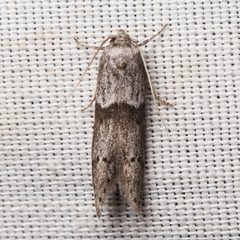
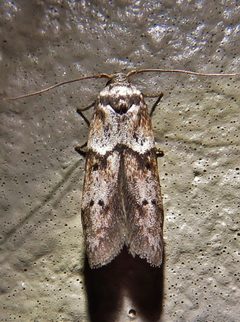
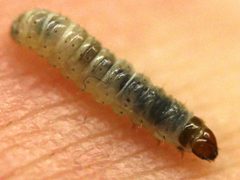
A small native to eastern North America that has become in Europe and Ukraine. are active from spring through late summer. Larvae develop inside acorns and chestnuts, completing their entire within the nut. The is considered a potential forestry pest due to its seed- habit.
Pronunciation
How to pronounce Blastobasis glandulella: //ˌblæstəˈbeɪsɪs ˌɡlændjuˈlɛlə//
These audio files are automatically generated. While they are not always 100% accurate, they are a good starting point.
Identification
Wingspan 15–25 mm. Diagnostic features of , larva, and pupa have been illustrated in taxonomic literature (see Ukrainian study). Distinguished from similar Blastobasis by association with acorn and confirmed by genitalia examination.
Images
Habitat
Deciduous forests with oak (Quercus) presence. Larvae occur inside acorns on the soil surface and in forest litter.
Distribution
Native to eastern United States and southern Ontario, Canada; also recorded in California. Introduced and established in Europe: Austria, Germany, Czech Republic, Italy, Slovakia, Croatia, Belgium, and Ukraine (seven regions: Zakarpattia, Ivano-Frankivsk, Kyiv, Poltava, Ternopil, Khmelnytskyi, Cherkasy).
Seasonality
on wing April through September. In Ukraine, begins late May to early June and continues through early August.
Diet
Larvae feed inside acorns of pedunculate oak (Quercus robur) and chestnuts.
Host Associations
- Quercus robur - larval - acornspedunculate oak
- Castanea - larval chestnuts (reported)
Life Cycle
and larval development occurs inside acorns. Larvae overwinter inside acorns on soil surface or in forest litter. takes place inside acorns. emerge late spring through summer.
Ecological Role
Seed ; potentially damaging to oak recruitment and forestry operations.
Human Relevance
Considered a potential forestry pest in invaded regions. 'acorn ' is shared with European tortrix Cydia splendana, causing potential confusion.
Similar Taxa
- Cydia splendanaShares 'acorn '; European tortrix moth with different (Tortricidae) and
- Other Blastobasis speciesRequire genitalia examination and association data for reliable identification