
Epermenia
Hübner, 1825
Species Guides
7Epermenia is a of small in the Epermeniidae, established by Jacob Hübner in 1825. in this genus are distributed across the Palearctic, Nearctic, and Oriental regions, with some extending into the Afrotropical and Neotropical regions. Several species are associated with plants in the family Apiaceae, particularly Angelica species. The genus includes the subgenus Calotripis, originally described by Hübner in the same publication.
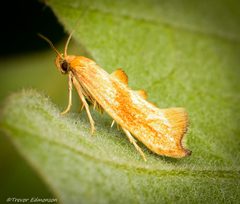
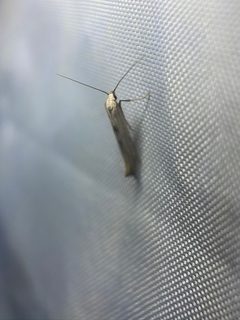
Pronunciation
How to pronounce Epermenia: /ˌɛpərˈmiːniə/
These audio files are automatically generated. While they are not always 100% accurate, they are a good starting point.
Identification
Members of Epermenia can be distinguished from related by genitalia and forewing venation patterns. Within the genus, identification often requires examination of genitalia structures, as forewing coloration shows intraspecific variation. Epermenia sinjovi was previously overlooked in the European Alps due to its similarity to E. chaerophyllella; has proven useful for distinguishing cryptic species. The subgenus Calotripis is recognized based on morphological characteristics, though specific diagnostic features for subgeneric assignment are not detailed in available sources.
Images
Habitat
include remote and wild alpine environments in the European Alps. Specific microhabitat preferences are poorly documented for most .
Distribution
Palearctic region including Russia (Far East, Southern Siberia, Transbaikalia, Central Siberia), European Alps (Tyrol in Austria, Bavaria in Germany), Kunashir Island, Japan, China, and Portugal. Nearctic records include Vermont, USA. Additional records from Scandinavia (Denmark, Norway, Sweden).
Host Associations
- Angelica pubescens Maxim. - larval plantEpermenia sinjovi
- Angelica ursina Maxim. - larval plantEpermenia sinjovi
- Angelica polymorpha Maxim. - larval plantEpermenia sinjovi; first record in China
- Apiaceae - larval plant inferred from meta-citation_keywords for E. sinjovi in European Alps
Life Cycle
Larval and pupal stages have been described for Epermenia sinjovi. Developmental details for other are not documented in available sources.
Human Relevance
Epermenia chaerophyllella serves as a for in the Braconidae and Ichneumonidae in Britain, contributing to studies of parasitoid host ranges. The of E. chaerophyllella has been sequenced, providing genomic resources for Lepidoptera research.
Similar Taxa
- EpimarptisFormer were transferred between Epermenia and Epimarptis, with some recombinations considered spurious database entries (e.g., 'Epermenia philocoma' and 'Epermenia septicodes' for Epimarptis species). The two require careful taxonomic scrutiny to distinguish.
- Epermenia chaerophyllellaE. sinjovi was overlooked in the European Alps due to morphological similarity; and detailed examination of genitalia and venation are required for reliable separation.
More Details
Taxonomic history
The was established by Jacob Hübner in 1825, with the subgenus Calotripis described in the same publication. Lectotypes have been designated for E. (Calotripis) strictellus and E. (Cataplectica) iniquellus to stabilize .
Molecular identification
has been successfully applied to confirm identity in E. sinjovi, demonstrating that morphological variation in forewing coloration and genitalia falls within intraspecific range rather than representing distinct species.
Research activity
Reinhard Gaedike has been the primary researcher documenting Epermenia diversity, with numerous publications from 1968 to 2013 describing new , revising regional faunas, and establishing distributional records across all biogeographic regions.
Sources and further reading
- BugGuide
- Wikipedia
- GBIF taxonomy match
- iNaturalist taxon
- NCBI Taxonomy
- Catalogue of Life
- Out of East Asia: Epermenia sinjovi Gaedike, 1993 (Lepidoptera, Epermeniidae) newly recorded from the European Alps
- Two new species of the genus Epermenia Hübner, [1825] and some new distributional and taxonomic records (Lepidoptera: Epermeniidae)
- New record of Epermenia (Calotripis) sinjovi Gaedike (Lepidoptera: Epermeniidae) in China: DNA barcode, adult, immature stages, host plant and biology
- Host ranges of parasitoids (Hymenoptera: Braconidae and Ichneumonidae) reared fromEpermenia chaerophyllella(Goeze) (Lepidoptera: Epermeniidae) in Britain, with description of a new species ofTriclistus(Ichneumonidae)
- The genome sequence of the Common Ridge-back moth, Epermenia chaerophyllella (Goeze, 1783) (Lepidoptera: Epermeniidae).