
Epermenia cicutaella
Kearfott, 1903
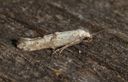
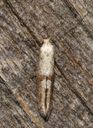
Epermenia cicutaella is a small in the Epermeniidae, first described by William D. Kearfott in 1903. The is notable for its specific association with the plant Cicuta maculata (spotted water hemlock), on which its larvae feed on flowers and fruits. It is distributed across much of North America, with records spanning both coasts and interior regions. The species overwinters as an , an unusual trait among Lepidoptera.
Pronunciation
How to pronounce Epermenia cicutaella: /ˌɛpɚˈmiːniə ˌsɪkjuːˈtɛlə/
These audio files are automatically generated. While they are not always 100% accurate, they are a good starting point.
Identification
can be distinguished from other Epermenia by genitalia and geographic association with Cicuta maculata . The specific epithet cicutaella directly references the plant, providing a diagnostic clue. Larvae are found feeding specifically on the flowers and fruits of spotted water hemlock, not on foliage. Final instar larvae may be recognized by their feeding location and host association.
Images
Habitat
Associated with wetlands and moist where the plant Cicuta maculata (spotted water hemlock) occurs. This includes marshes, wet meadows, stream margins, and pond edges across temperate North America.
Distribution
Recorded from California, Oregon, Wyoming, Michigan, Kentucky, Delaware, New Jersey, New York, New Hampshire, and the Canadian provinces of New Brunswick, Nova Scotia, and Quebec. The range spans both Pacific and Atlantic coastal regions with interior records.
Seasonality
are present in multiple seasons; the overwinters as an adult, suggesting or multivoltine activity with adults active in spring through fall.
Diet
Larvae feed exclusively on the flowers and fruits of Cicuta maculata (spotted water hemlock). feeding habits are unknown.
Host Associations
- Cicuta maculata - larval larvae feed on flowers and fruits
Life Cycle
Overwinters as an . Larval development occurs on flowers and fruits of the plant. details are not documented.
Ecological Role
Acts as a specialized herbivore on spotted water hemlock, potentially contributing to seed or flower damage that may affect plant . The degree of impact on plant is unknown.
Human Relevance
The plant Cicuta maculata is highly toxic to humans and livestock, containing cicutoxin. The has no direct economic importance but may serve as an for wetland quality.
Similar Taxa
- Other Epermenia speciesMany Epermenia are morphologically similar and require genitalia dissection for definitive identification; plant association provides the most reliable field character for E. cicutaella.
More Details
Taxonomic history
Described by William D. Kearfott in 1903, a prominent American lepidopterist known for his work on Microlepidoptera. The epithet cicutaella reflects the plant Cicuta.
Conservation status
Not formally assessed; likely secure given broad distribution, though wetland loss may impact local .