
Givira lotta
Barnes & McDunnough, 1910
Pine Carpenterworm Moth
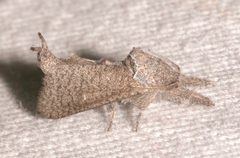
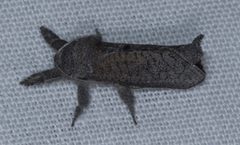
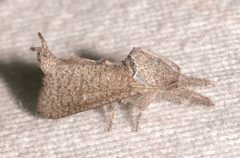
Pronunciation
How to pronounce Givira lotta: /ɡɪˈvɪrə ˈlɒtə/
These audio files are automatically generated. While they are not always 100% accurate, they are a good starting point.
Identification
Distinguished from related Givira by geographic range and association with ponderosa pine forests in the southwestern United States. Definitive identification requires examination of genitalia or molecular analysis.
Images
Habitat
Pine forests, specifically those dominated by ponderosa pine (Pinus ponderosa).
Distribution
Southwestern United States: recorded from California, Arizona, New Mexico, and Colorado.
Seasonality
have been recorded on wing from June to August.
Diet
Larvae feed on Pinus ponderosa (ponderosa pine). feeding habits are not documented.
Host Associations
- Pinus ponderosa - larval plantsole documented
Ecological Role
Larvae are wood-borers in living or dead ponderosa pine, contributing to nutrient cycling and potentially serving as a food source for woodpeckers and other .
Human Relevance
May occasionally be considered a minor forestry pest due to larval boring in ponderosa pine, though economic impact appears limited based on available records.
Similar Taxa
- Givira delindaeSimilar white or pale coloration in some individuals; distinguished by distribution (White Sands National Monument, New Mexico) and specific association with gypsum dune rather than pine forests.
- Other Givira speciesMost North American relatives are dark-colored or have substantial dark smudges on forewings; G. lotta and three other are substantially white with few or no dark markings.
More Details
Nomenclature
The specific epithet 'lotta' was established by William Barnes and James Halliday McDunnough in 1910. The etymology of the name is not documented in available sources.
Conservation Status
No formal conservation assessment has been published for this .