
Comadia subterminata
Barnes & Benjamin, 1923
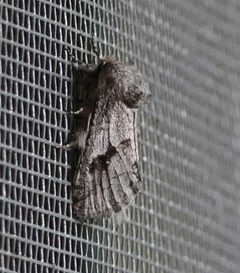
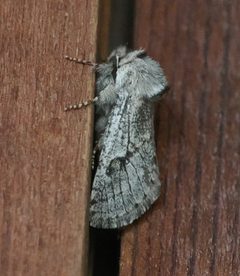
Comadia subterminata is a cossid first described in 1923 from southwestern North America. are active from May to July. is evident in forewing length, with males measuring 13–18 mm and females 19–21 mm. The is known from only four U.S. states and remains poorly studied.
Pronunciation
How to pronounce Comadia subterminata: /kɔˈma.di.a sʌb.tərˈmi.na.ta/
These audio files are automatically generated. While they are not always 100% accurate, they are a good starting point.
Identification
Males have distinctly smaller forewings (13–18 mm) compared to females (19–21 mm). The name 'subterminata' likely refers to wing pattern characteristics near the termen, though specific markings are not documented in available sources. Distinguishing this species from other Comadia requires examination of genitalia or molecular analysis.
Images
Distribution
Recorded from Arizona, Utah, Colorado, and New Mexico in the southwestern United States.
Seasonality
have been recorded on wing from May to July.
Similar Taxa
- Comadia bertholdiOccurs in overlapping range; both are southwestern cossids with similar size ranges, requiring careful examination to separate.
- Comadia maculataAnother southwestern Comadia ; distinguishing features involve subtle wing pattern differences and genitalia.
More Details
Taxonomic history
Described by William Barnes and Foster Hendrickson Benjamin in 1923, a period of intensive Lepidoptera description in North America. The Comadia contains multiple associated with succulent plants, though relationships for C. subterminata specifically are undocumented.
Data limitations
With only four iNaturalist observations and limited literature references, this remains poorly known. Most biological details including larval plants, stages, and precise requirements are unrecorded.