
Euproserpinus
Grote & Robinson, 1865
Primrose Sphinxes
Species Guides
2- Euproserpinus euterpe(Kern primrose sphinx moth)
- Euproserpinus phaeton(Phaeton primrose sphinx moth)
Euproserpinus is a of sphinx moths (Sphingidae) commonly known as Primrose Sphinxes. The genus contains three described , all native to western North America. The most well-documented species, Euproserpinus euterpe, is federally threatened and has been extensively studied for its specialized . Members of this genus are associated with evening primrose plants and exhibit unique pupal adaptations for in sandy soil .
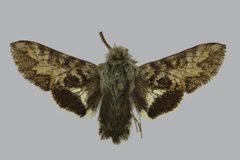
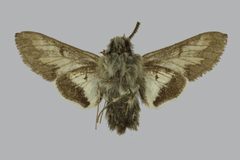
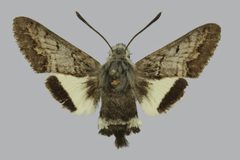
Pronunciation
How to pronounce Euproserpinus: //juːˌpɹoʊsɚˈpaɪnəs//
These audio files are automatically generated. While they are not always 100% accurate, they are a good starting point.
Identification
Euproserpinus are distinguished from other Macroglossini by their association with evening primrose plants and their western North American distribution. Euproserpinus euterpe, the Kern Primrose Sphinx Moth, is recognized by its restricted range in Kern County, California, and its specialized sandy soil requirements. The can be separated from similar sphinx moth genera by larval host plant specificity and pupal , though detailed morphological distinguishing features are not documented in available sources.
Images
Habitat
Sandy soil environments associated with evening primrose plants. Euproserpinus euterpe specifically occurs in Kern County, California, where pupae develop in sandy soils and emerge through the soil surface.
Distribution
Western North America. Euproserpinus euterpe has a disjunct distribution in California resulting from historical isolation in glacial refugia, with post-glacial range expansion that did not produce continuous distribution. The other in the have broader but poorly documented ranges.
Seasonality
of Euproserpinus euterpe emerge in late winter to early spring. Seasonality for other in the is not documented in available sources.
Diet
Larval diet includes evening primrose (Camissonia/Taraxia ). feeding habits are not documented.
Host Associations
- evening primrose - larval plantCamissonia/Taraxia
Life Cycle
Pupal stage occurs in sandy soils. Pupae possess a movable abdominal segment that facilitates through soil to reach the surface. eclose from pupae by breaking through sandy soil. Details of and larval stages are not documented in available sources.
Behavior
involves specialized through sandy soil, facilitated by a movable abdominal segment in the pupa that aids in breaking through to the surface.
Human Relevance
Euproserpinus euterpe is federally threatened in the United States, making it subject to conservation protection. The has been studied as a case of disjunct distribution patterns linked to glacial refugia and climate change impacts on insect .
Similar Taxa
- other Macroglossini generaEuproserpinus is distinguished by its specialized association with evening primrose plants and unique pupal adaptations for sandy soil , features not reported in related .
More Details
Conservation status
Euproserpinus euterpe is listed as federally threatened, reflecting its restricted range and specialized requirements. The disjunct distribution pattern has been linked to historical glacial refugia, providing insights into climate change impacts on insect .
Taxonomic history
The was erected by Augustus Radcliffe Grote and Herbert C. Robinson in 1865. It contains three described : E. euterpe (1888), E. phaeton (1865), and E. wiesti (1939).
Sources and further reading
- BugGuide
- Wikipedia
- GBIF taxonomy match
- iNaturalist taxon
- NCBI Taxonomy
- Catalogue of Life
- Ghosts of glaciers and the disjunct distribution of a threatened California moth ( Euproserpinus euterpe )
- Observations of Pupal Biology and Adult Eclosion in the Federally Threatened Kern Primrose Sphinx Moth, Euproserpinus euterpe (Sphingidae: Macroglossini)