
Pseudosphinx tetrio
Linnaeus, 1771
tetrio sphinx, giant gray sphinx, frangipani hornworm, plumeria caterpillar, Rasta caterpillar
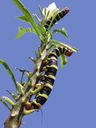
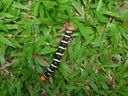
Pseudosphinx tetrio is a sphinx moth (Sphingidae) native to tropical and subtropical regions of the Americas. Its larvae are specialized herbivores of Apocynaceae plants, particularly Allamanda cathartica and Plumeria . The species exhibits a distinctive chemical strategy: larvae selectively excrete plant-derived compounds rather than sequestering or metabolizing them, enabling them to feed on toxic plants rich in latex. The caterpillars display aposematic coloration—velvety black with yellow rings and orange-red and legs—advertising their unpalatability to .
Pronunciation
How to pronounce Pseudosphinx tetrio: /ˌsjuːdoʊˈsfɪŋks ˈtiːtrioʊ/
These audio files are automatically generated. While they are not always 100% accurate, they are a good starting point.
Identification
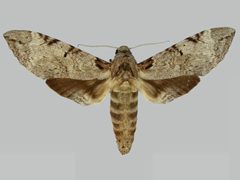
Larvae are unmistakable due to aposematic coloration: velvety black body with transverse yellow rings, orange-red capsule and legs. This color pattern distinguishes them from other sphingid larvae in the same range. are less distinctive but can be recognized by gray-brown forewings with subtle patterning and relatively plain hindwings. Known plant associations (Allamanda, Plumeria) provide additional identification context for larvae.
Images
Habitat
Tropical and subtropical regions where plants of the Apocynaceae occur, including gardens, forest edges, and disturbed areas with Allamanda cathartica and Plumeria .
Distribution
Tropical and subtropical Americas from the southern and southwestern United States through Central America and the Caribbean to Brazil. Records from Colombia (Barrancabermeja, Leticia, Yopal, Manizales) and widespread across Brazilian states.
Diet
Larvae feed on leaves of Apocynaceae, preferentially Allamanda cathartica and Plumeria alba. Early instars feed on upper leaf surfaces; later instars consume all leaf tissues except and midribs; final instars feed on entire leaves. are nectar feeders (specific floral associations not documented in sources).
Host Associations
- Allamanda cathartica - primary larval Apocynaceae; chemical of this interaction has been studied
- Plumeria alba - primary larval Apocynaceae
Life Cycle
hatch in approximately 3 days. Larvae pass through 5–6 instars over 23–24 days, with gregarious in first three instars and solitary or small-group feeding in later instars. Prepupal stage lasts about 4 days. Pupal stage approximately 22 days. Total development from egg to approximately 53 days. Females lay 50–100 eggs on undersides of leaves.
Behavior
Early instar larvae are gregarious, forming colonies; later instars feed singly or in small groups. Larvae are voracious feeders, capable of consuming up to twice their body weight daily. Selective of ingested plant compounds (rather than or metabolism) is a key physiological . are fliers.
Ecological Role
Specialized herbivore of toxic Apocynaceae plants. Larval contain antimicrobial compounds derived from plants, which may mediate ecological interactions. Serves as prey for specialized such as the squirrel cuckoo (Piaya cayana), which has been observed to beat larvae against branches to expel gut contents before consumption.
Human Relevance
Occasional pest in gardens and ornamental plantings of Allamanda and Plumeria. Known as "Rasta caterpillar" (chenille rasta) in Martinique due to coloration reminiscent of Rastafarian clothing. Subject of chemical research due to unique strategy for handling toxic plant compounds.
Similar Taxa
- Other Sphingidae larvaeP. tetrio larvae distinguished by unique aposematic coloration (black-yellow-red rings); most other sphingid larvae in range are cryptically colored or have different warning patterns
- Other hornworms (Manduca spp.)Manduca larvae feed on Solanaceae and have diagonal lateral stripes rather than transverse rings; coloration generally green or brown, not black-yellow-red