Hemileuca electra
Wright, 1884
electra buckmoth
Species Guides
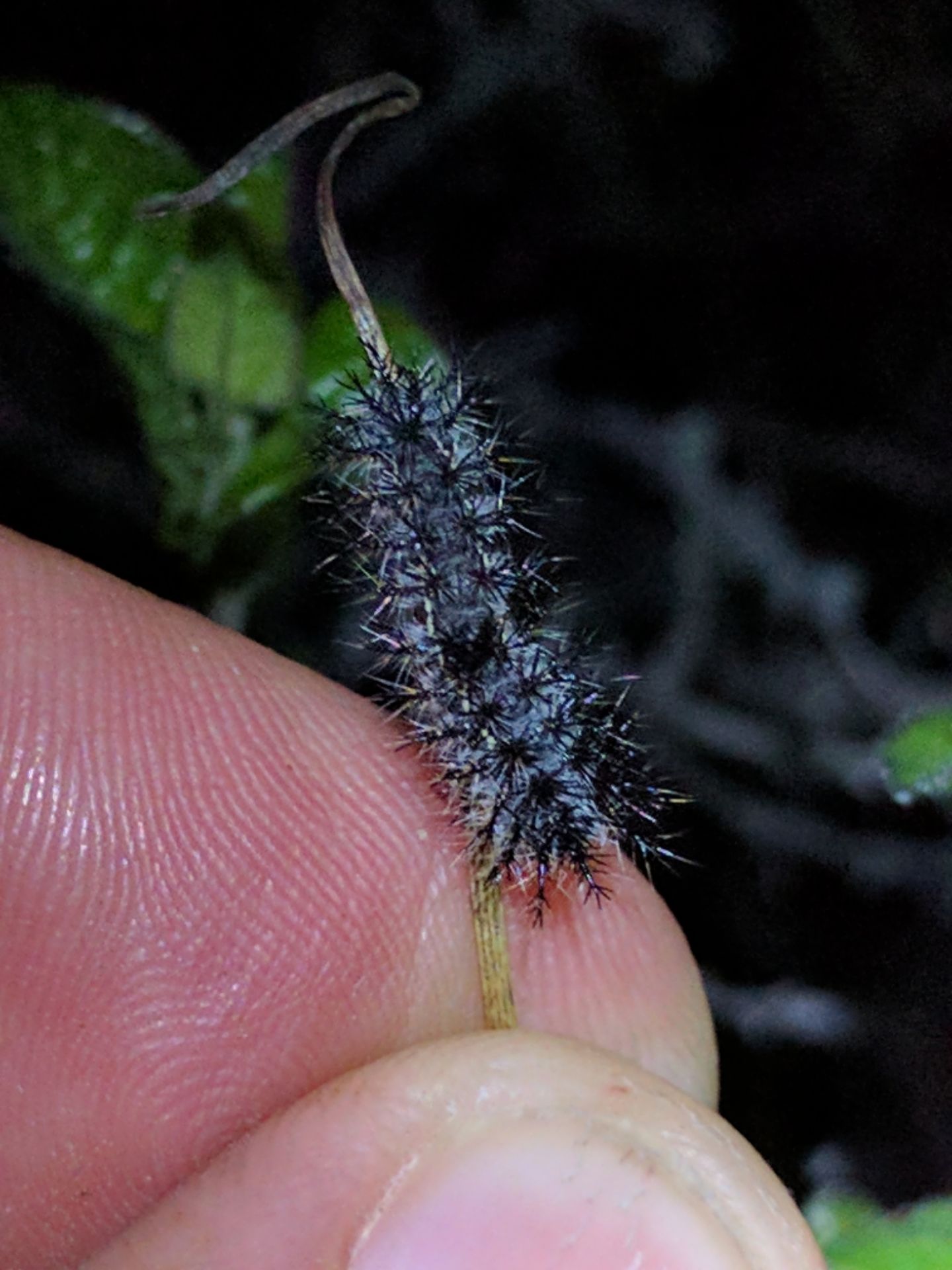
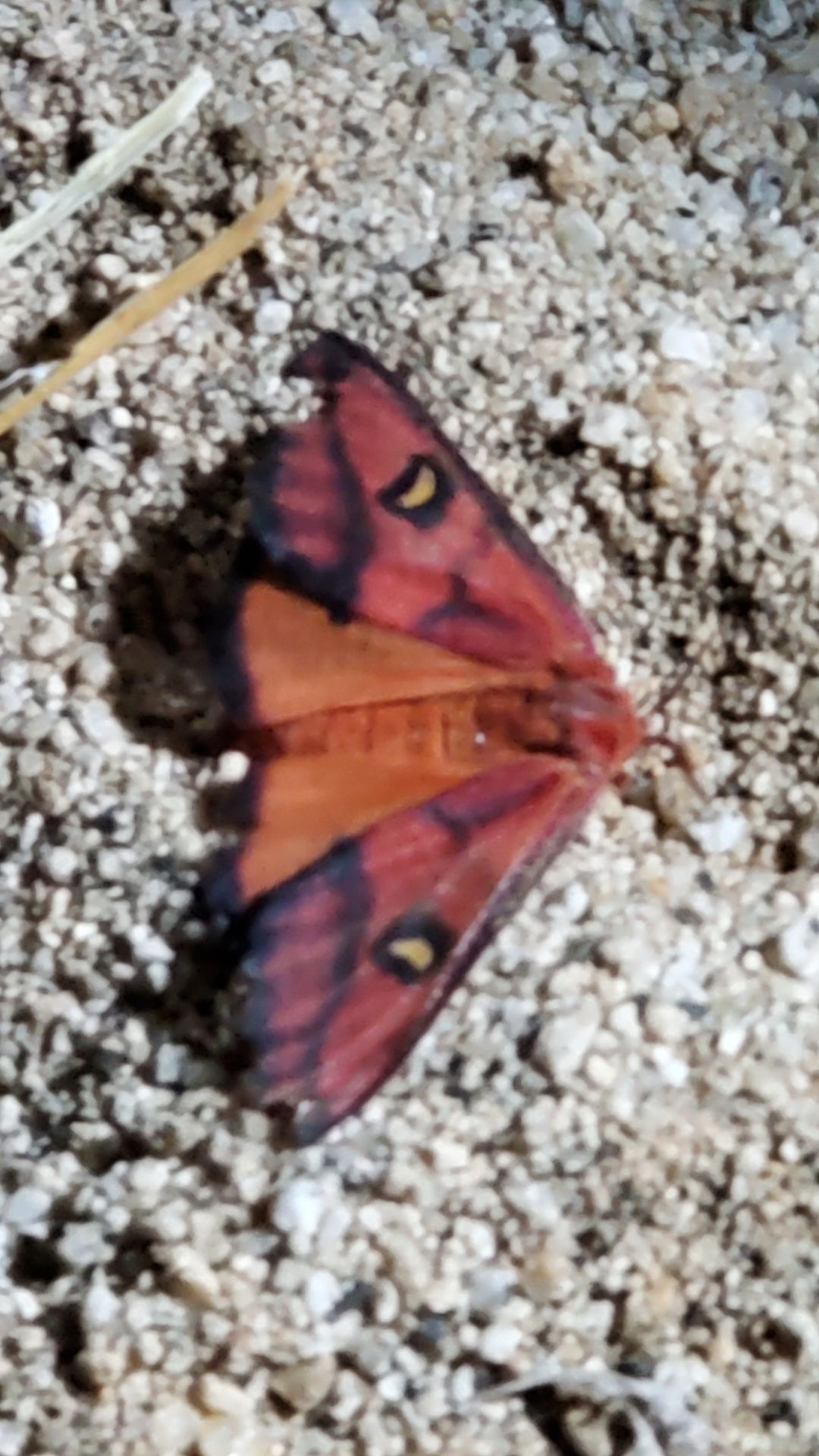
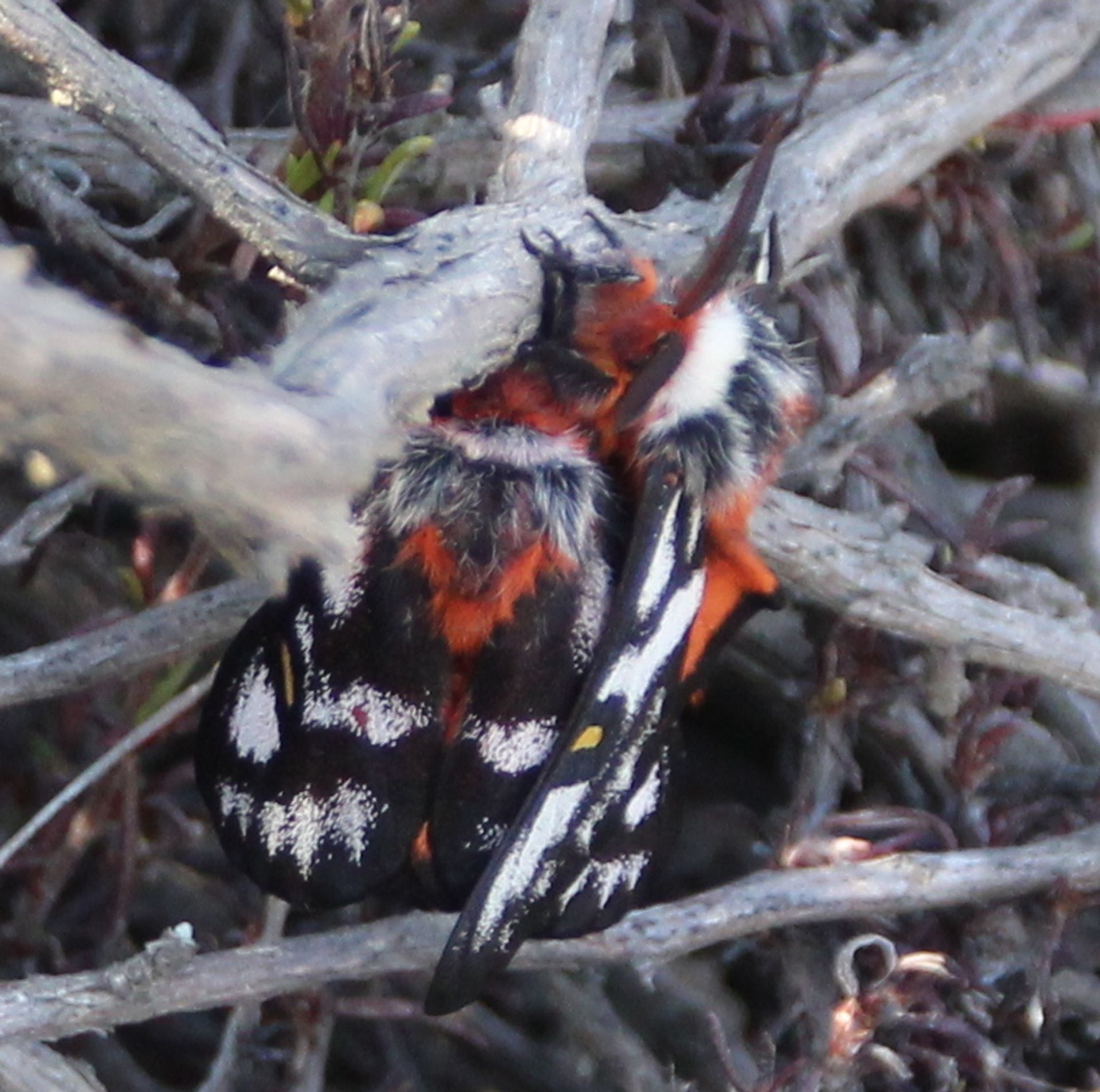
2Hemileuca electra, the electra buckmoth, is a of buck moth in the Saturniidae. It is found in Central America and North America. The species was described by W. G. Wright in 1884. Three are recognized: H. e. clio, H. e. electra, and H. e. mojavensis. Like other Hemileuca species, it is a day-flying with larvae that possess urticating spines.
Pronunciation
How to pronounce Hemileuca electra: /hɛmiˈlɛʊkə ɪˈlɛk.trə/
These audio files are automatically generated. While they are not always 100% accurate, they are a good starting point.
Identification
As a member of the Hemileuca, are day-flying and may be mistaken for butterflies. Specific identification features for H. electra are not documented in available sources. The shows geographic variation in appearance, as evidenced by documented variation in blends across in southern California.
Images
Distribution
Central America and North America. The H. e. mojavensis occurs in the Mojave Desert region.
Diet
Larvae feed on plants. Specific plants for H. electra are not documented in available sources, though other Hemileuca are associated with oaks and other woody plants.
Life Cycle
Complete with , larval, pupal, and stages. Specific details for H. electra are not documented. Related Hemileuca have larvae with urticating spines and adults that do not feed, living only a few days on fat reserves accumulated as larvae.
Behavior
are day-flying. Males use their sensitive to detect female . Females typically remain near their site and emit -specific sexual attractant to draw males.
Human Relevance
Like other Hemileuca , larvae possess urticating spines that can cause painful stings upon contact. The species has been studied for geographic variation in its chemistry.
Similar Taxa
- Hemileuca nevadensisAnother buck moth with similar day-flying and larval urticating spines; occurs in prairie and has been documented to suffer mortality from prescribed burning
- Hemileuca eglanterinaClosely related sheep moth with similar appearance and ; highly variable in coloration across its range
More Details
Sex pheromone variation
Studies have documented geographic variation in the blend of H. electra in southern California, suggesting potential for cryptic speciation or strong local .
Subspecies
Three are recognized: Hemileuca electra clio Barnes & McDunnough, 1918; Hemileuca electra electra W. G. Wright, 1884; and Hemileuca electra mojavensis Tuskes and McElfresh, 1995.
Sources and further reading
- BugGuide
- Wikipedia
- GBIF taxonomy match
- iNaturalist taxon
- NCBI Taxonomy
- Catalogue of Life
- Publications | Entomology Research Museum
- Sheep Moths Draw Attention at Bohart Museum of Entomology Open House | Bug Squad
- Look but do not touch: puss caterpillar, Megalopyge opercularis; White flannel moth, Norape ovina; Io moth, Automeris io; buck moth Hemileuca spp.; and hag moth, Phobetron pithecium — Bug of the Week
- Up Close and Personal With Venomous Moths
- Bug Eric: Giant Silkmoths
- Are we loving our prairies/glades/woodlands to death? | Beetles In The Bush