Tomostethus
Konow, 1886
ash sawflies
Species Guides
1- Tomostethus multicinctus(brownheaded ash sawfly)
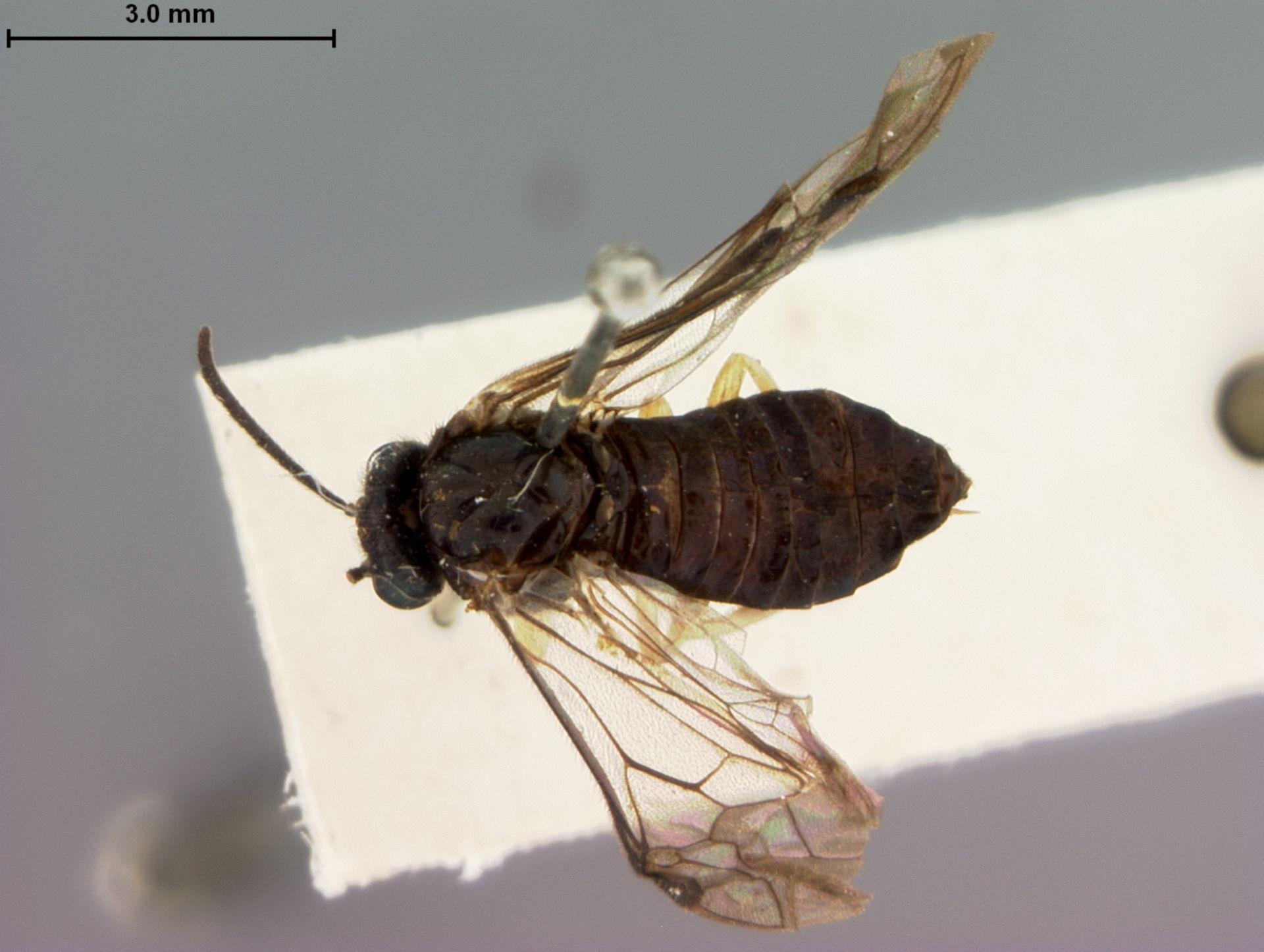
Tomostethus is a of in the Tenthredinidae, first described by Konow in 1886. within this genus are associated with ash trees (Fraxinus spp.) and are recognized as pests of economic and ecological significance. The genus includes species such as T. nigritus, T. multicinctus, and T. sinofraxini, which have been documented across Europe and Asia. Several species have shown capacity for , particularly in urban environments.
Pronunciation
How to pronounce Tomostethus: /təˈmɒstɪθəs/
These audio files are automatically generated. While they are not always 100% accurate, they are a good starting point.
Identification
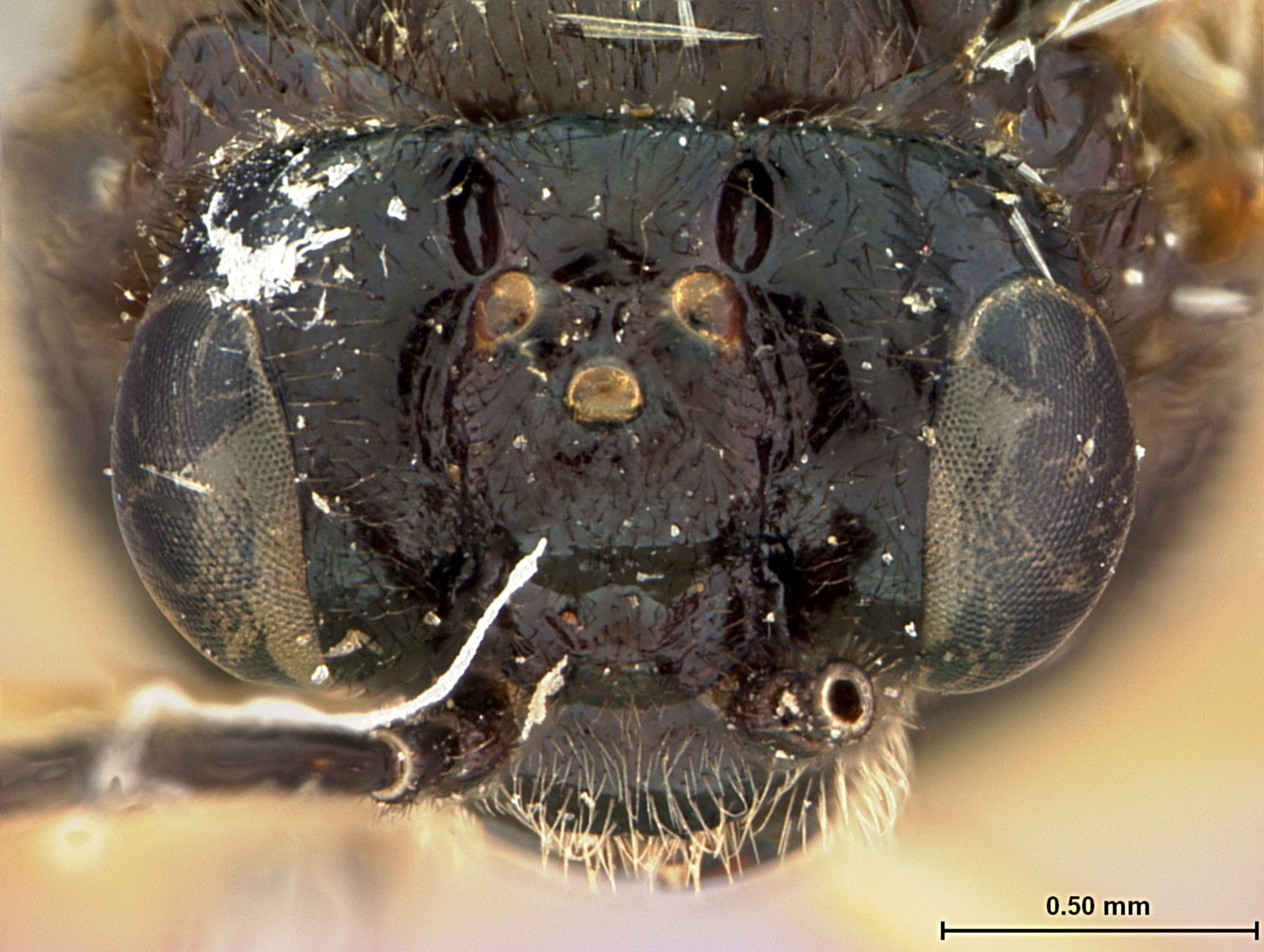
Tomostethus are distinguished from other by their association with ash (Fraxinus) and their placement within the Tenthredinidae . Specific diagnostic morphological features for the genus are not documented in the available sources. Species-level identification requires examination of specimens.
Images
Habitat
Associated with ash trees (Fraxinus spp.), including urban environments and city infrastructure. T. nigritus has been observed utilizing city infrastructure for rapid spread.
Distribution
Europe: documented in Belgium, Denmark, Norway, Sweden, and the Republic of Ireland. Asia: T. sinofraxini is to Beijing, Tianjin, Hebei, and Shandong provinces in China.
Seasonality
timing is influenced by temperature; higher March temperatures have caused earlier emergence in T. nigritus . Phenological synchronicity with tree foliage emergence is a critical factor in .
Diet
Phytophagous; larvae feed on ash foliage. T. sinofraxini feeds on Fraxinus chinensis; T. nigritus feeds on Fraxinus excelsior and Fraxinus angustifolia 'Raywood'; T. multicinctus attacks Fraxinus spp.
Host Associations
- Fraxinus chinensis - Chinese ash; primary of T. sinofraxini
- Fraxinus excelsior - European ash; native of T. nigritus
- Fraxinus angustifolia 'Raywood' - Non- cultivar; documented in Belgium
Life Cycle
T. sinofraxini development includes , larval, and stages. Developmental duration varies with temperature: at higher altitudes with lower average temperatures, egg, larval, and adult stages were 19%–31% longer than at lower elevations.
Behavior
can occur on non- trees. T. nigritus has demonstrated rapid spread using city infrastructure. appear linked to phenological synchrony with host foliage . Some evidence suggests dramatic decline after reaching peak levels, though the mechanism remains unexplained.
Ecological Role
Herbivore and pest of ash trees. can cause significant defoliation.
Human Relevance
Economic pest of ash trees in forestry and urban landscaping. T. sinofraxini is considered an emerging pest in China requiring development. T. nigritus have been documented in urban Belgian environments.
Sources and further reading
- BugGuide
- Wikipedia
- GBIF taxonomy match
- iNaturalist taxon
- NCBI Taxonomy
- Catalogue of Life
- Biology of Tomostethus Multicinctus (Roh.), a Sawfly Attacking Ash
- Outbreaks of Tomostethus nigritus (Fabricius, 1804) (Hymenoptera, Tenthredinidae) on Fraxinus angustifolia ‘Raywood’ in Belgium
- The mitochondrial genome and life history of Tomostethus sinofraxini (Hymenoptera: Tenthredinidae), an emerging pest of Fraxinus chinensis
- First Report of the Ash Sawfly, Tomostethus nigritus, Established on Fraxinus excelsior in the Republic of Ireland.