
Sapyga confluenta
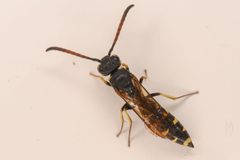
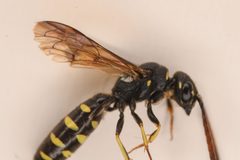
Sapyga confluenta is a of sapygid in the Sapygidae, a group of solitary wasps that are of other solitary bees. The species belongs to the Sapyga, which is the type genus of the family. Sapygid wasps are generally small to medium-sized with distinctive body shapes and are known for their parasitic lifestyle targeting mason bees and other solitary groups.
Pronunciation
How to pronounce Sapyga confluenta: //səˈpaɪɡə ˌkɒnflʊˈɛntə//
These audio files are automatically generated. While they are not always 100% accurate, they are a good starting point.
Identification
Sapyga confluenta can be distinguished from other Sapyga by specific morphological features of the , including a constricted waist between the and , elongated body form, and characteristic wing venation patterns. The species name 'confluenta' may refer to converging or confluent markings or structural features, though specific diagnostic traits for this species require direct specimen examination. Sapyga species generally have reduced wing venation with closed and often display contrasting color patterns of black with yellow or white markings.
Images
Ecological Role
As a member of Sapygidae, Sapyga confluenta functions as a of solitary bees. Sapygid lay their in the nests of bees, typically mason bees ( Megachilidae) and some other solitary families. The wasp larvae consume the pollen provisions intended for the host bee's offspring, thereby reducing host reproductive success. This parasitic relationship places sapygids as natural regulators of solitary bee .
Human Relevance
Sapygid have limited direct interaction with humans. They are not known to sting aggressively and pose minimal threat to human activity. Their of mason bees can occasionally impact managed , including those used in orchard pollination services, but they are generally considered a minor factor in contexts. The Sapygidae is of interest to hymenopteran systematists and natural historians due to its distinctive and specialized parasitic .
Similar Taxa
- Other Sapyga speciesCongeneric share the general body plan, reduced wing venation, and cleptoparasitic lifestyle. Specific identification requires examination of subtle morphological differences in markings, body proportions, and male genitalia.
- Other Sapygidae generaRelated in Sapygidae such as Eusapyga share the -level characteristics of cleptoparasitism and general -like form, but differ in details of wing venation, body , and associations.
- Cleptoparasitic bees (Nomada, Triepeolus)These bees are also of solitary bees and may occur in similar and seasons, but belong to Apidae and have branched body hairs, different wing venation, and often more robust body forms compared to the hairless, slender sapygid .