
Eusapyga
Cresson, 1880
Species Guides
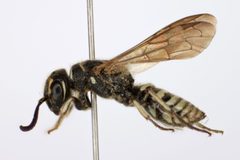
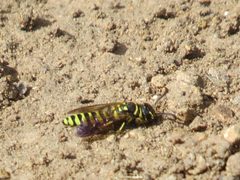
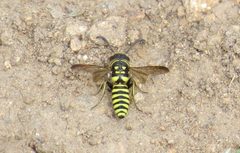
3Eusapyga is a of in the Sapygidae, a group of cleptoparasitic wasps that exploit the nests of other solitary bees and wasps. The genus was established by Ezra Cresson in 1880. Members of this genus are found in North America. Like other sapygids, they are likely kleptoparasites, though -level remains poorly documented.
Pronunciation
How to pronounce Eusapyga: //juːˈsæpɪɡə//
These audio files are automatically generated. While they are not always 100% accurate, they are a good starting point.
Identification
Eusapyga can be distinguished from the related Sapyga by subtle differences in wing venation and genitalia structure. Sapygid generally have a compact body with a narrow petiole (wasp waist), black coloration often with yellow or white markings, and relatively short . Definitive identification to genus requires examination of microscopic characters.
Images
Distribution
North America, with records primarily from the western United States.
Host Associations
Behavior
As , females likely enter nests and deposit on or near the host's provisioned pollen mass. The resulting larva consumes the host's food stores, typically killing the host egg or larva.
Ecological Role
of solitary bees; regulator of .
Human Relevance
No direct economic significance. Occasionally encountered by researchers and solitary bee nest observers.
Similar Taxa
- SapygaClosely related in the same ; distinguished by wing venation and male genitalia characters.
- FedtschenkiaAnother sapygid ; distinguished by geographic distribution and structural features.