
Cephalcia californica
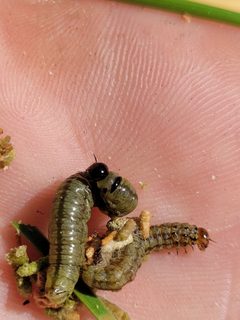
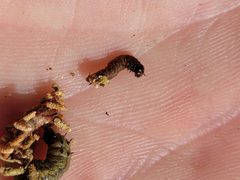
Cephalcia californica is a of in the Pamphiliidae, a group of hymenopterans commonly known as web-spinning sawflies. The Cephalcia comprises approximately 20 species distributed primarily in the Northern Hemisphere. C. californica is to California, as indicated by its specific epithet. Pamphiliid sawflies are characterized by their distinctive larval of constructing silken webs or shelters on plants, though specific details for this species remain poorly documented.
Pronunciation
How to pronounce Cephalcia californica: /sefˈal.si.ə ˌkæ.lɪˈfɔr.nɪ.kə/
These audio files are automatically generated. While they are not always 100% accurate, they are a good starting point.
Identification
Cephalcia californica can be distinguished from other Cephalcia by geographic distribution and subtle morphological characters, though precise diagnostic features require examination. The Cephalcia is distinguished from other Pamphiliidae by genitalic and wing venation characters. Within California, it may be confused with other pamphiliid genera such as Acantholyda or Neurotoma; definitive identification typically requires examination of specimens under magnification.
Images
Habitat
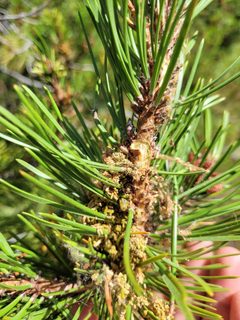
Based on the epithet and distribution, likely associated with coniferous or mixed forests in California. Pamphiliidae larvae typically feed on conifers, particularly Pinaceae. Specific microhabitat requirements for C. californica are undocumented.
Distribution
to California, United States. The single iNaturalist observation and epithet confirm this restricted range, though precise locality data are limited.
Behavior
Larvae of Pamphiliidae are known for constructing communal silken webs on plants for protection while feeding, but this has not been specifically documented for C. californica. are likely short-lived and primarily focused on .
Ecological Role
As with other pamphiliid , larvae likely function as herbivores on coniferous vegetation, potentially influencing forest dynamics through defoliation. Specific ecological impacts of C. californica are unknown. may serve as minor or prey for other organisms.
Human Relevance
No documented economic or cultural significance. Pamphiliidae rarely reach pest status due to generally low densities and limited damage.
Similar Taxa
- Cephalcia arvensisCongeneric with overlapping Holarctic distribution; requires morphological examination to distinguish
- Acantholyda speciesSympatric pamphiliid in California with similar larval web-spinning ; distinguished by and larval preferences
- Neurotoma speciesAnother pamphiliid occurring in western North America; similar in general appearance but differ in wing venation and genitalic structure
More Details
Taxonomic Note
Cephalcia californica is one of approximately 20 in the Cephalcia. The Pamphiliidae (web-spinning sawflies) contains about 200 species worldwide and is considered one of the more primitive lineages within Hymenoptera.
Data Deficiency
This is extremely poorly known in the scientific literature. The single iNaturalist observation suggests it is rarely encountered or underreported. No peer-reviewed publications specifically addressing C. californica , , or were identified in the provided sources.
Sources and further reading
- BugGuide
- iNaturalist taxon
- The Big 43: The California Native Plants, Plus One, Studied in UC Davis Research | Bug Squad
- Bohart Museum: Learn about California's State Insect on UC Davis Picnic Day | Bug Squad
- A Mural Like No Other | Bug Squad
- A Flash of Orange: Welcome, California Tortoiseshell! | Bug Squad
- California Dogface Butterfly: What the Fire Did | Bug Squad
- Bembicid Holdings | Entomology Research Museum