
Acantholyda
Costa, 1894
web-spinning sawflies, pine sawflies
Species Guides
11Acantholyda is a of web-spinning sawflies in the Pamphiliidae, distributed across Europe, Asia, and North America. are associated with coniferous , particularly Pinus and Cedrus. Several species are significant forest pests capable of causing extensive defoliation during . Larvae construct silken webs and may enter extended in soil.
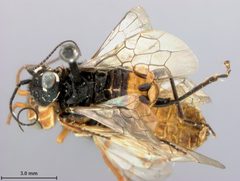
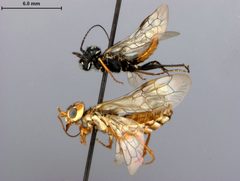
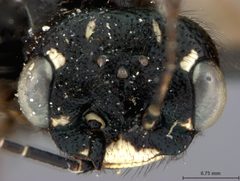
Pronunciation
How to pronounce Acantholyda: /əˌkænˈθɑːlɪdə/
These audio files are automatically generated. While they are not always 100% accurate, they are a good starting point.
Identification
can be distinguished from other Pamphiliidae by characteristic morphological features detailed in regional keys; subgeneric placement remains problematic for some based on adult character combinations. Larvae are recognized by their web-spinning on conifer .
Images
Habitat
Pine forests; conifer plantations; sandy soils support of some .
Distribution
Europe; Asia; North America; recorded from Estonia, Lebanon, Poland, and Vermont (USA).
Diet
Larvae feed on conifer foliage.
Host Associations
- Pinus sylvestris - defoliation primary for in Europe
- Pinus - defoliation in North American plantations
- Cedrus libani - probable only fourth associated with Cedrus
Life Cycle
Developmental stages include , larva, eonymph, and . Larvae may remain in in soil for extended periods; multi-year cycles observed.
Behavior
Larvae spin silken webs on trees. Mass potential with severe defoliation of pine stands. activity ceases during years.
Ecological Role
Defoliator of conifer forests; significant pest in managed plantations and natural stands during .
Human Relevance
Economic pest causing defoliation damage in commercially important pine plantations; subject of detection research.
Similar Taxa
- Cephalciaalso in Pamphiliidae with conifer ; distinguished by morphological characters in keys
- Neurotomaweb-spinning sawflies in related ; Acantholyda distinguished by specific and larval traits
Sources and further reading
- BugGuide
- GBIF taxonomy match
- iNaturalist taxon
- NCBI Taxonomy
- Catalogue of Life
- A new species of Acantholyda (Hymenoptera: Pamphiliidae) from Lebanon, associated with Cedrus libani (Pinaceae)
- The first reported outbreak of the great web-spinning pine-sawfly, Acantholyda posticalis (Mats.) (Hymenoptera, Pamphiliidae), in Estonia
- Application of 16S rDNA-DGGE and Plate Culture to Characterization of Bacterial Communities Associated with the Sawfly, Acantholyda erythrocephala (Hymenoptera, Pamphiliidae)
- A Small-Scale Investigation into the Viability of Detecting Canopy Damage Caused by Acantholyda posticalis Disturbance Using High-Resolution Satellite Imagery in a Managed Pinus sylvestris Stand in Central Poland
- Microbial Mediators of Pine Defense Resistance: Stage-Specific Gut Symbionts Enable Acantholyda posticalis to Overcome Terpenoid Barriers.
- Genome-Wide Development and Characterization of Microsatellite Markers in the Great Web-Spinning Sawfly Acantholyda posticalis.