
Thyreodon
Brullé, 1846
Species Guides
6Thyreodon is a of parasitic in the Ichneumonidae, first described by Brullé in 1846. Members of this genus are koinobiont endoparasitoids that attack caterpillars, particularly those of sphinx moths (Sphingidae). The genus is part of the Thyreodon genus-group, with distributed across the Americas from the southwestern United States through Central America. Rican species have been subject to dedicated systematic study.
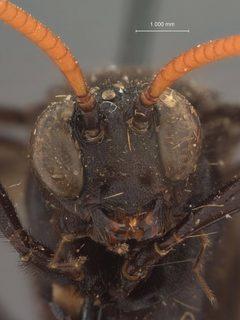
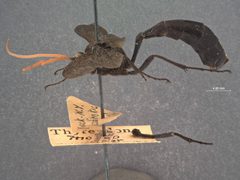
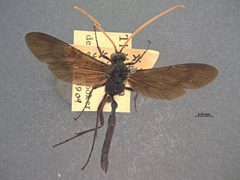
Pronunciation
How to pronounce Thyreodon: /ˌθaɪrəˈdoʊn/
These audio files are automatically generated. While they are not always 100% accurate, they are a good starting point.
Images
Distribution
Recorded from Vermont and elsewhere in the United States, Mexico, Central America (including Rica), Nicaragua, and Ecuador.
Host Associations
- Manduca sexta - Tobacco Hornworm caterpillar; koinobiont endoparasitoid
- Manduca quinquemaculata - Tomato Hornworm caterpillar
Life Cycle
Koinobiont development: are laid in young caterpillars, which continue to grow while the larva develops internally. The larva delays intensive feeding until the host nears , destroying it before pupation occurs. The wasp larva then spins a dense silken cocoon in the soil within the host's pupal chamber.
Behavior
Day-active (), unlike most Ophioninae which are . have been observed visiting flowers for nectar. May hang motionless from vegetation when resting.
Ecological Role
agent of sphinx moth caterpillars, which are agricultural pests (e.g., Tobacco and ).
Human Relevance
Potential biocontrol agent for pest caterpillars affecting tobacco, tomato, and other solanaceous crops.
Similar Taxa
- RhynchophionClosely related in the same tribe (Enicospilini); historically confused with Thyreodon in the southwestern United States
- Ophioninae (general)Most Ophioninae are , whereas Thyreodon are