
Leurus
Townes, 1946
Species Guides
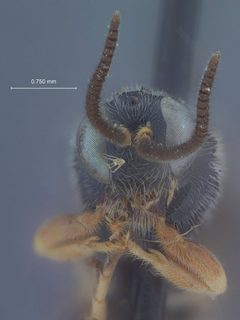
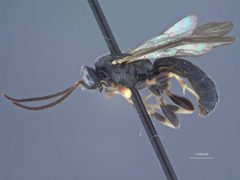
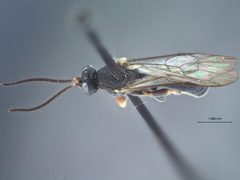
1Leurus is a of in the Ichneumonidae, Metopiinae. in this genus are koinobiont parasitoids of caterpillars, particularly leaf-rolling Crambidae (Lepidoptera). The genus exhibits remarkable cryptic diversity, with eleven sympatric species documented from a single conservation area in Rica. These wasps are distinguished through integrated approaches combining COI barcoding, associations, and subtle morphological traits.
Pronunciation
How to pronounce Leurus: //ˈlɛu̯.ruːs//
These audio files are automatically generated. While they are not always 100% accurate, they are a good starting point.
Identification
Leurus are morphologically very similar to one another, requiring molecular (COI barcoding) and ecological ( association) data for reliable identification. The can be distinguished from other Metopiinae genera by standard ichneumonid morphological characters, though specific diagnostic traits for the genus are not detailed in available sources. Species-level identification relies on subtle morphological differences combined with host records and genetic data.
Images
Habitat
Tropical dry forest wildland; specifically documented from the Area de Conservación Guanacaste in northwestern Rica. The likely occupies similar Neotropical forest where caterpillars are abundant.
Distribution
Documented from northwestern Rica with eleven sympatric occurring in the Area de Conservación Guanacaste. Broader distribution across the Neotropics is probable given the 's taxonomic placement, but not explicitly confirmed in available sources.
Host Associations
- Crambidae - leaf-rolling caterpillars; koinobiont development within living
Life Cycle
Koinobiont endoparasitoid: are laid inside living caterpillars, and larvae develop within the host without immediately killing it. emerge from the host after larval development is complete. Specific details of egg, larval, and pupal stages are not documented in available sources.
Behavior
Exhibits swarming at specific sites, as documented for L. caeruliventris. Multiple Leurus may share swarming locations with other species such as Conura sp. (Chalcididae), suggesting spatial overlap in mating or -searching activities.
Ecological Role
agent of herbivorous caterpillars, specifically Crambidae leaf-rollers. As , they regulate and contribute to trophic dynamics in tropical forest .
Human Relevance
Potential value in of Crambidae pests, though no direct applications are documented. Subject of biodiversity research demonstrating cryptic through .
Similar Taxa
- Other Metopiinae generaSimilar body plan and ; distinguished by -level morphological characters in wing venation, ovipositor structure, and facial features typical of ichneumonid
- Conura sp. (Chalcididae)Shares swarming sites and similar as caterpillar ; distinguished by -level characters including reduced wing venation, elbowed , and smaller body size typical of chalcidid wasps
More Details
Cryptic diversity
A 2024 study using COI barcoding revealed ten new sympatric (L. billeberhardi, L. henrytownesi, L. hugokonsi, L. iangauldi, L. jesusugaldei, L. marjorietownesae, L. maryjanewestae, L. pammitchellae, L. sondrawardae, L. wahli) alongside redescribed L. caeruliventris in a single Rican conservation area, demonstrating that morphological similarity masked substantial genetic and ecological divergence.
Taxonomic note
The name Leurus was also borne by a Roman senator (Marcus Ulpius Leurus, suffect consul c. 198-211 CE), but this homonym has no biological relevance to the .
Sources and further reading
- BugGuide
- Wikipedia
- GBIF taxonomy match
- iNaturalist taxon
- NCBI Taxonomy
- Catalogue of Life
- Cryptic diversity of Leurus wasps (Hymenoptera: Ichneumonidae: Metopiinae), parasitoids of caterpillars in Area de Conservación Guanacaste, Costa Rica
- Swarming Behavior of Two Parasitic Wasps, Leurus caeruliventris (Hymenoptera: Ichneumonidae) and Conura sp. (Hymenoptera: Chalcididae), at the Same Site