Diapetimorpha
Viereck, 1913
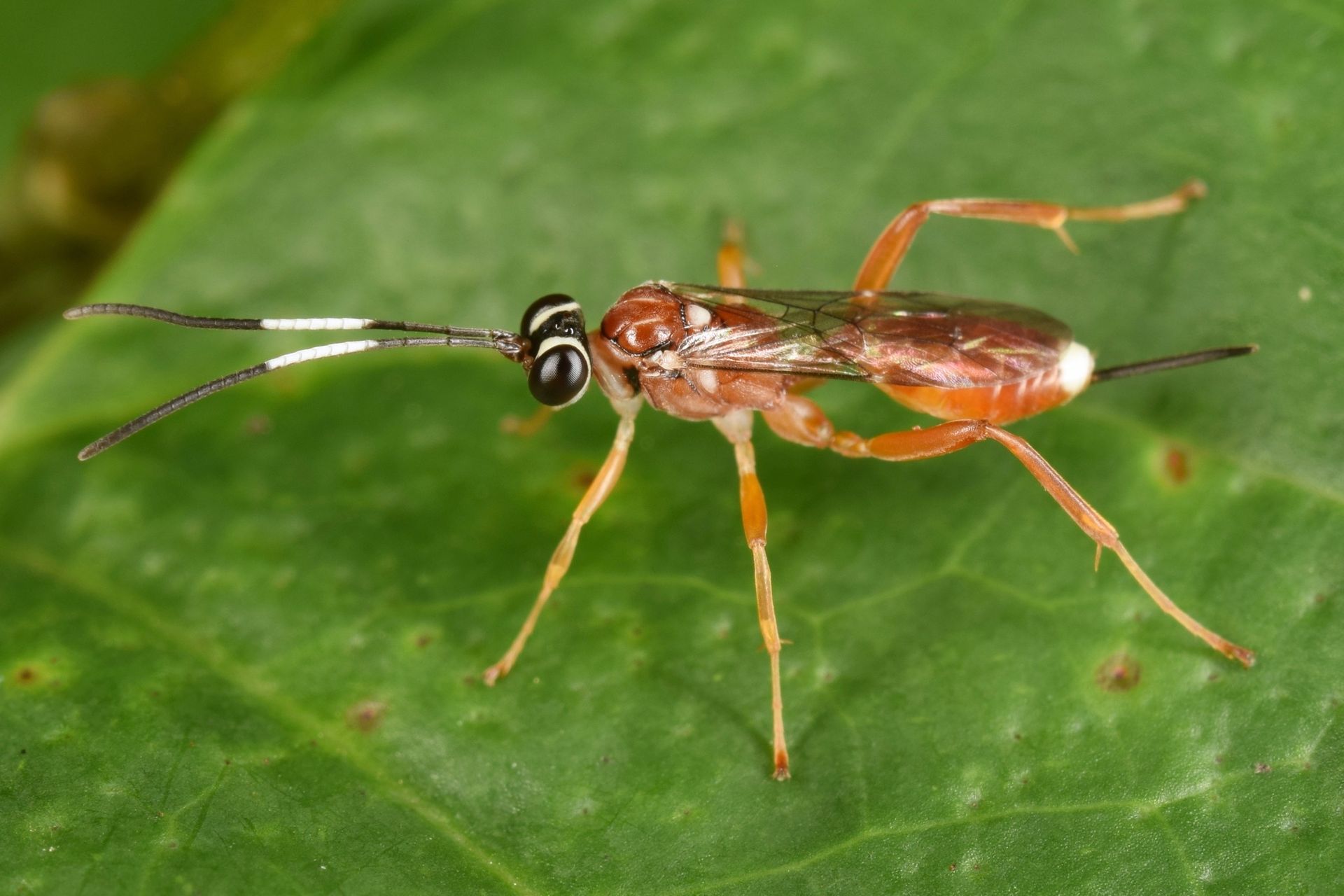
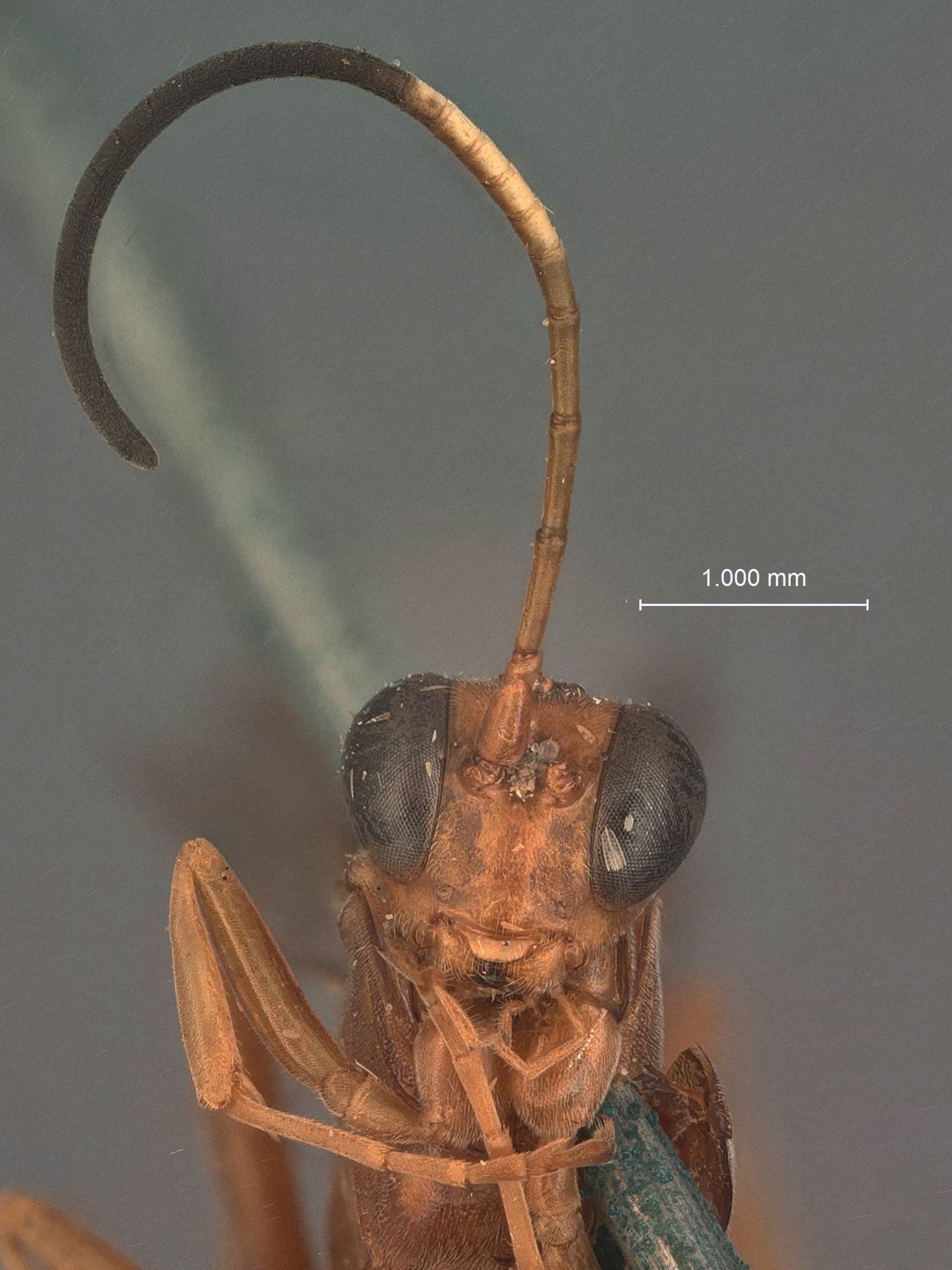
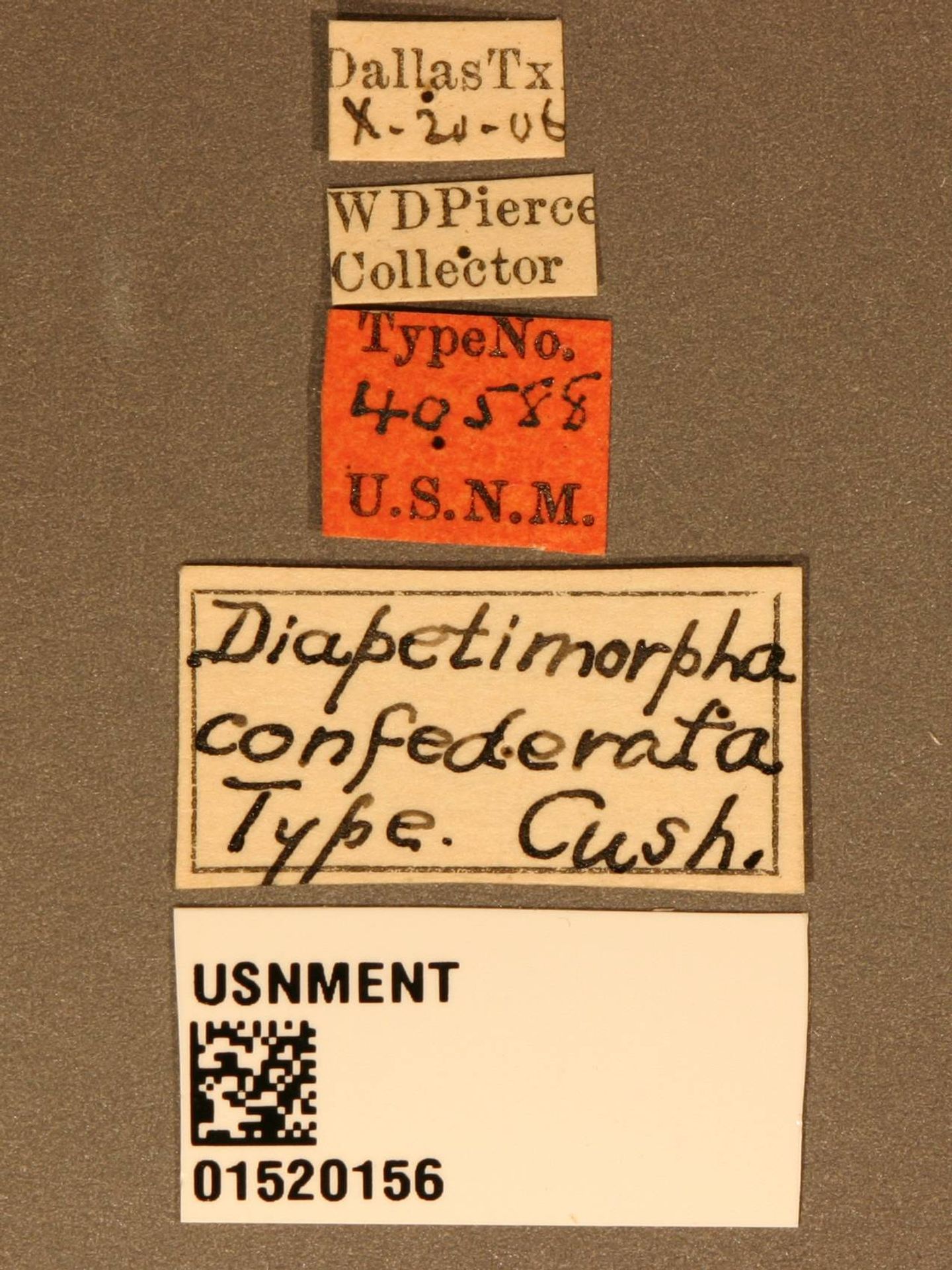
Diapetimorpha is a of ichneumonid wasps established by Viereck in 1913. The best-studied , D. introita, is a pupal ectoparasitoid of noctuid , particularly Spodoptera frugiperda (fall armyworm). Laboratory studies have demonstrated its potential for , including successful rearing on artificial diets. The genus exhibits species-specific chemical communication systems involving sex and contact .
Pronunciation
How to pronounce Diapetimorpha: /ˌdaɪəˌpɛtɪˈmɔrfə/
These audio files are automatically generated. While they are not always 100% accurate, they are a good starting point.
Identification
Diapetimorpha can be distinguished from similar ichneumonid pupal by their specific associations with Noctuidae pupae and their documented chemical communication system involving female-produced and male-produced contact , both originating from the region. D. introita specifically has been observed to prefer 3 to 5-day-old host pupae over younger or older stages. Morphological diagnostic features for the relative to other ichneumonid genera are not provided in available sources.
Images
Habitat
Agricultural , specifically corn fields where noctuid larvae develop and pupate. occurs in tunnels within soil or . Rearing studies indicate successful development in controlled laboratory environments with multicellular rearing units.
Distribution
Documented from Georgia, USA (Tifton area) with seasonal occurrence from May to November. Distribution beyond this region is not specified in available sources.
Seasonality
Active from May to November in Georgia, USA. Peak rates occur September to November. can be induced at temperatures of 18 or 22°C regardless of , with ≥90% of individuals entering diapause under these conditions.
Host Associations
- Spodoptera frugiperda - primary Fall armyworm pupae; preferred for laboratory rearing and field
- Spodoptera spp. - Multiple within utilized as
- Helicoverpa zea - non- developmentSupports development to stage but not primary field
- Heliothis virescens - non- developmentSupports development to stage but not primary field
Life Cycle
Ectoparasitoid of pupal stage. Mated females produce an average of 81.3 over a mean lifespan of 23.6 days. Larval duration depends on and temperature. Pupal duration (when not in ) depends on host; weights depend on host species, host weight, and temperature. Individuals developing on larger host pupae develop more slowly and achieve greater weights. Artificial diet rearing has been demonstrated successfully with supplementation of host-derived lipids or insect line-conditioned media.
Behavior
Females exhibit oviposition preference for 3 to 5-day-old pupae over younger or older stages. Males are attracted to female-produced from the region. Females exhibit arrestment response to male-produced contact on the head. Both pheromones are -specific and not detected in other tested ichneumonid species.
Ecological Role
Primary pupal of fall armyworm in corn agroecosystems, contributing to of this pest. Along with , plays a significant role in reducing FAW numbers that would otherwise disperse to new and crops. rates in corn fields averaged 5.2-8.4% in studied years, reaching up to 50% in some , with higher rates (33.3% average) observed in limited late-season sampling.
Human Relevance
Candidate for of Spodoptera . Successful mass rearing on artificial diets advances potential for commercial application. Field studies indicate natural populations contribute meaningfully to pest suppression in corn, reducing subsequent crop .
Similar Taxa
- Cryptus albitarsisAlso a pupal of fall armyworm in the same and geographic region (Tifton, GA), but distinguished by extremely limited seasonal occurrence (single November in 1984) compared to D. introita's extended May-November activity period.
More Details
Reproductive Biology
Sex ratios are skewed with 40% more males than females produced from mated females. Unmated females produce all male progeny (), indicating haplodiploid as typical for Hymenoptera.
Diapause Induction
Temperatures of 18°C or 22°C result in ≥90% regardless of , suggesting temperature rather than host cues primarily controls diapause entry in this species.
Sources and further reading
- BugGuide
- GBIF taxonomy match
- iNaturalist taxon
- NCBI Taxonomy
- Catalogue of Life
- Seasonal Abundance of a Pupal Parasitoid, Diapetimorpha introita (Hymenoptera: Ichneumonidae)
- Chemical Communication between Males and Females of a Pupal Parasitoid Diapetimorpha introita (Hymenoptera: Ichneumonidae)
- Biology and Rearing of Diapetimorpha introita (Cresson) (Hymenoptera: Ichneumonidae) on Host and Non-host Noctuid Pupae
- Rearing of ectoparasitoid Diapetimorpha introita on an artificial diet: supplementation with insect cell line-derived factors
- SEASONAL INCIDENCE OF FALL ARMYWORM (LEPIDOPTERA: NOCTUIDAE) PUPAL PARASITISM IN CORN BY DIAPETIMORPHA INTROITA AND CRYPTUS ALBITARSIS1 (HYMENOPTERA: ICHNEUMONIDAE)
- Ecdysteroid levels/profiles of the parasitoid wasp, Diapetimorpha introita, reared on its host, Spodoptera frugiperda and on an artificial diet
- Fecundity and Longevity of Diapetimorpha introita (Cresson) (Hymenoptera: Ichneumonidae) Reared on Artificial Diets: Effects of a Lipid Extract from Host Pupae and Culture Media Conditioned with an Insect Cell Line