
Glyptini
Genus Guides
3Glyptini is a tribe of within the Ichneumonidae. Members of this tribe are characterized by distinctive morphological features of the ovipositor and associated structures, which are used to access concealed . The tribe includes the Glypta, which has been relatively well-studied compared to other glyptine genera. These wasps are primarily associated with hosts in the order Lepidoptera, particularly concealed-feeding larvae such as leaf miners and borers.
Pronunciation
How to pronounce Glyptini: //ɡlɪpˈtiːnaɪ//
These audio files are automatically generated. While they are not always 100% accurate, they are a good starting point.
Identification
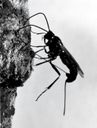
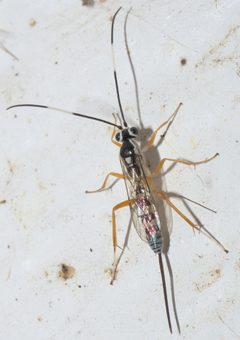
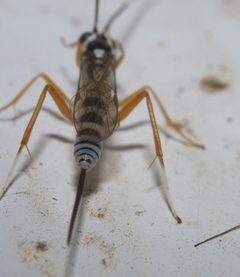
Glyptini can be distinguished from other ichneumonid tribes by the structure of the ovipositor tip, which bears a unique arrangement of teeth and sensory structures adapted for penetrating plant tissue to reach concealed . The propodeum often has a distinctive pattern. Members typically have a slender body form with elongated . Glypta specifically show reduced wing venation compared to some related , with the areolet of the forewing often absent or reduced.
Images
Habitat
are determined by availability; Glyptini are found wherever their lepidopteran hosts occur. This includes forests, woodlands, agricultural areas, and urban green spaces with woody vegetation. Many are associated with trees and shrubs where their hosts feed internally as leaf miners, stem borers, or in other concealed feeding .
Distribution
Glyptini has a distribution with records from North America, Europe, Asia, and other regions. The Glypta is particularly well-represented in the Nearctic and Palearctic regions.
Seasonality
activity generally coincides with the availability of larvae. In temperate regions, most are active from late spring through summer, with some extending into early autumn. Specific timing varies with host and geographic location.
Host Associations
- Lepidoptera - are primarily concealed-feeding larvae including leaf miners and borers
Behavior
Females use their specialized ovipositor to locate and parasitize hidden within plant tissue. The ovipositor is inserted through plant material to reach the host larva, with sensory structures on the ovipositor tip aiding in host detection. This requires precise orientation and penetration ability.
Ecological Role
Glyptini function as agents of lepidopteran herbivores. By parasitizing concealed-feeding larvae that are often protected from and less susceptible to topical , they help regulate of potentially damaging insects in natural and managed .
Human Relevance
Some Glyptini have been investigated for their potential in programs, particularly for pests such as the larch casebearer (Coleophora laricella) and other economically important lepidopteran pests. Their ability to attack concealed makes them valuable where conventional control methods are ineffective.
Similar Taxa
- other Ichneumonidae tribesGlyptini differs in ovipositor structure and use; related tribes such as those in the Banchinae (if applicable to classification) may share general but lack the specialized ovipositor tip and associated host-finding adaptations of Glyptini
More Details
Taxonomic History
The classification of Glyptini has undergone revision; the tribe has been variously placed within different of Ichneumonidae. Current treatments generally recognize Glyptini as a distinct tribe, though subfamily placement may vary among sources. The Glypta is the best-known genus in the tribe.