
Bracon
Fabricius, 1804
Species Guides
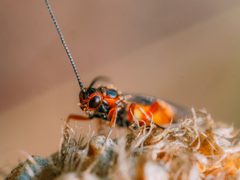
1Bracon is a large of in the Braconidae, with several hundred described and thousands remaining undescribed. The genus has a distribution, with the greatest diversity of described species occurring in the Palearctic region. Members of this genus are koinobiont endoparasitoids of lepidopteran larvae, developing inside living while allowing them to continue feeding and growing until the wasp larvae are mature. The genus has been extensively studied for its potential in of agricultural pests.
Pronunciation
How to pronounce Bracon: /ˈbræ.kɒn/
These audio files are automatically generated. While they are not always 100% accurate, they are a good starting point.
Identification
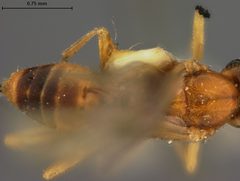
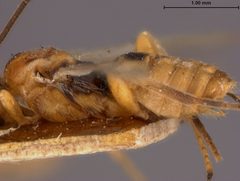
Identification to within Bracon requires examination of wing venation, particularly the presence and arrangement of in the forewing, as well as details of the and ovipositor structure. The can be distinguished from related braconid genera by combinations of characters including the number of antennal segments, the shape of the first metasomal tergite, and the pattern of on the propodeum. Molecular data increasingly supplement morphological characters for species-level identification.
Images
Distribution
; distributed throughout all major biogeographic regions worldwide. The Palearctic ecozone contains the highest number of described . Distribution records confirmed from Denmark, Norway, and Sweden.
Diet
Larval development occurs inside living lepidopteran caterpillars; feed on nectar and honeydew.
Host Associations
- Lepidoptera - primary koinobiont endoparasitoid of caterpillars
Life Cycle
Females oviposit into caterpillars. hatch into larvae that develop internally, feeding on host tissues while allowing the host to continue living and feeding. Larvae emerge from the host to spin silken cocoons, often in clustered arrangements on or near the host body. occurs within these cocoons, with emerging to mate and seek new hosts.
Behavior
Koinobiont strategy allows caterpillars to continue normal activities during larval development, maximizing host size and nutritional resources for the parasitoid. Larvae typically emerge in groups and spin communal cocoons.
Ecological Role
Important natural enemies of lepidopteran herbivores, contributing to of and caterpillars in natural and agricultural . Serve as model organisms for studying - interactions and tritrophic .
Human Relevance
Significant potential and established use in programs against agricultural and forestry pests. Research on Bracon informs strategies and understanding of .
Similar Taxa
- CotesiaAlso in Braconidae with similar koinobiont endoparasitoid and communal cocoon-spinning ; distinguished by wing venation and metasomal tergite structure
- Microgastrinae (subfamily)Many microgastrine share similar relationships and cocoon ; Bracon is not placed in this but convergent traits can cause confusion
More Details
Taxonomic scope
Bracon is one of the largest and most taxonomically complex in Braconidae, with ongoing revisions splitting into new genera based on combined morphological and molecular data.
Undescribed diversity
The thousands of undescribed species suggest that current counts represent a substantial underestimate of true diversity, particularly in tropical regions.