
Agathidini
Genus Guides
4Agathidini is a tribe of braconid within the Agathidinae. Members are found primarily in Southeast Asia, with particular diversity in Thailand. The tribe has undergone significant taxonomic revision, with ten new described in 2017 to address previous issues of being placed in 'dumping ground' genera. Females lay inside early-stage caterpillars of various , with larvae developing internally and consuming the before it pupates.
Pronunciation
How to pronounce Agathidini: //æɡəˈθɪdəˌnaɪ//
These audio files are automatically generated. While they are not always 100% accurate, they are a good starting point.
Identification
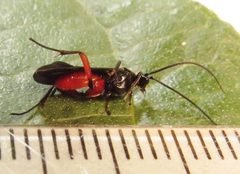
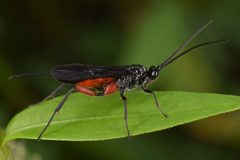
Agathidini can be distinguished from related braconid tribes by combinations of diagnostic characters that include specific arrangements of wing venation, structure, and body proportions. The tribe contains with highly variable morphologies, making identification to genus level essential. Some genera within the tribe are characterized by unique sets of features that individually diagnose related genera, creating 'chimeric' diagnostic patterns.
Images
Habitat
Tropical and subtropical forests of Southeast Asia, particularly in Thailand. include areas where caterpillars are abundant on vegetation.
Distribution
Southeast Asia with focus on Thailand. Specific range boundaries within the region remain incompletely documented due to ongoing taxonomic work.
Diet
lifestyle: females lay inside early-stage caterpillars of various . Larvae feed internally on tissues, consuming the caterpillar from the inside before it can spin a cocoon.
Host Associations
- Lepidoptera larvae - Various , specifically early-stage caterpillars
Life Cycle
Females oviposit into early-stage caterpillars. Larvae develop quietly within the initially, then become active and consume the host internally by the time the caterpillar would normally spin a cocoon. The presumably emerges from the consumed host to complete its development.
Behavior
Females actively search for caterpillars on vegetation to oviposit. The internal development strategy allows larvae to avoid host immune detection until late in the 's development.
Ecological Role
agents of . As , they regulate caterpillar densities and may influence plant-herbivore dynamics in tropical forest .
Human Relevance
Potential value in biological pest control programs, though specific applications are not well documented. Taxonomic research on this group has been supported by academic interest in resolving braconid .
Similar Taxa
- Other Agathidinae tribesSimilar general body plan and lifestyle; distinguished by specific combinations of morphological characters including wing venation patterns and antennal structure
- Other Braconidae subfamiliesSuperficially similar as braconid wasps; distinguished by -level characters including placement of the tribe within Agathidinae based on molecular and morphological data