
Acanthostichus
Mayr, 1887
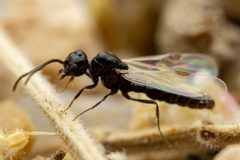
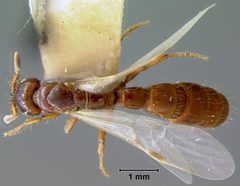
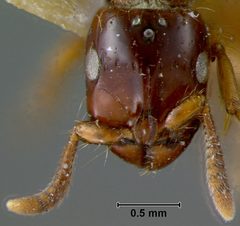
Acanthostichus is a of predatory, subterranean ants in the Dorylinae. The genus contains 24 described distributed across the New World from the southern United States to northern Argentina. These ants are rarely encountered due to their underground lifestyle, and many species are known from very few specimens. Species identification relies heavily on petiole .
Pronunciation
How to pronounce Acanthostichus: /əˌkænθəˈstɪkəs/
These audio files are automatically generated. While they are not always 100% accurate, they are a good starting point.
Identification
-level identification depends primarily on petiole structure; other morphological features show limited variation across species. The as a whole is distinguished from other Dorylinae by its subterranean habit and associated morphological adaptations, though specific diagnostic characters for the genus are not detailed in available sources.
Images
Habitat
Strictly subterranean; nests and forages underground. Specimens have been collected in , suggesting occasional presence near ground surface or in soil cavities.
Distribution
New World: southern United States through Mexico, Central America, and South America to Uruguay, Paraguay, and northern Argentina. First documented in Rica in 2020, filling a previous gap in Central American records.
Diet
Predatory. Specific prey types have not been documented in available sources.
Behavior
Subterranean lifestyle results in infrequent above-ground activity and low collection rates. beyond and underground nesting has not been described in available literature.
Similar Taxa
- Other Dorylinae generaAcanthostichus is distinguished by its obligate subterranean habit, whereas many Dorylinae are epigaeic or nomadic. Petiole serves as the primary character for separating within Acanthostichus and for distinguishing the from related .
More Details
Taxonomic uncertainty
Many described may be synonyms due to limited specimen availability and difficulty assessing intraspecific variation. Most species are known from few collections or single specimens.
Collection methods
First Ran records came from pinned specimens in , identified through digital imaging and COI barcode sequencing rather than traditional field collection.
Sources and further reading
- BugGuide
- Wikipedia
- GBIF taxonomy match
- iNaturalist taxon
- NCBI Taxonomy
- Catalogue of Life
- Ficha de Acanthostichus flexuosus
- Ficha de Acanthostichus flexuosus
- A subterranean ant Acanthostichus Mayr, 1887 is revealed in Costa Rica
- A propósito de um estudo sôbre as formigas do gênero Acanthostichus Mayr (Hymenoptera, Formicidae)