
Neodiprion nanulus
Schedl, 1933
Red Pine Sawfly
Neodiprion nanulus, commonly known as the Red Pine , is a conifer-feeding sawfly in the Diprionidae. It is a herbivore associated with red pine (Pinus resinosa). The has been documented in the Maritime Provinces of Canada, with an isolated studied near Fredericton, New Brunswick. Like other members of the , it likely undergoes larval development in gregarious groups and overwinters in cocoons in the duff beneath trees.
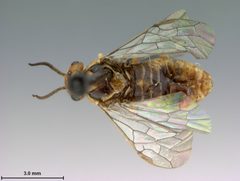
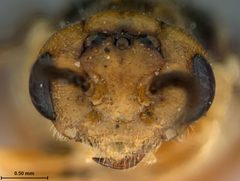
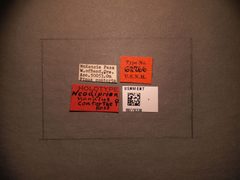
Pronunciation
How to pronounce Neodiprion nanulus: //ˌniː.oʊˈdaɪpriːɒn ˈnæn.jʊ.ləs//
These audio files are automatically generated. While they are not always 100% accurate, they are a good starting point.
Images
Habitat
Small plantations and forests of red pine (Pinus resinosa). The has been documented in isolated , suggesting potential for localized buildup in suitable stands.
Distribution
Canada: New Brunswick (near Fredericton), with GBIF records also indicating presence in Alberta, British Columbia, and Manitoba. The is recorded from the Maritime Provinces.
Diet
Foliage of red pine (Pinus resinosa); specific feeding inferred from association.
Host Associations
- Pinus resinosa - obligate Red pine; sole documented in New Brunswick study
Life Cycle
Overwinters as pupae in tough cocoons beneath trees in the duff. Multiple per season have been observed in related , but not explicitly confirmed for N. nanulus.
Ecological Role
Serves as for at least nine of ichneumonid , eight of which were first records from this host in the Maritime Provinces. Natural enemies are likely important in .
Human Relevance
Potential defoliator of red pine in plantations and managed forests. Large can cause significant damage, though natural enemies typically moderate . Management may involve physical removal or application in high-population situations.
Similar Taxa
- Neodiprion leconteiBoth are red-headed pine sawflies with similar larval appearance; distinguished by larval color patterns and preferences per Davis et al. 2023 larval key
- Other Neodiprion speciesConifer sawflies in this share gregarious larval habits and pine-feeding ; -level identification requires examination of larval coloration or
More Details
Parasitoid Complex
A rearing study from New Brunswick documented nine ichneumonid from , larvae, and cocoons, indicating substantial natural enemy pressure on .
Taxonomic Note
The N. nanulus nanulus and N. nanulus contortae have been recognized; the latter was described from lodgepole pine (Pinus contorta) regions.
Sources and further reading
- BugGuide
- GBIF taxonomy match
- iNaturalist taxon
- NCBI Taxonomy
- Crazy redheads - Redheaded pine sawfly, Neodiprion lecontei(MISSING VIDEO AND LINKS) — Bug of the Week
- What's Eating Your Pine Needles? Sawflies, Probably
- Conifer sawfly larva - Entomology Today
- PARASITES OF THE RED-PINE SAWFLY, NEODIPRION NANULUS NANULUS (HYMENOPTERA: DIPRIONIDAE), IN NEW BRUNSWICK
- Observations on the Life History and Habits of a Pine Sawfly, Neodiprion nanulus contortae (Hymenoptera: Diprionidae)