Neodiprion mundus
Rohwer, 1918
Neodiprion mundus is a of in the Diprionidae, native to western North America. Like other members of the Neodiprion, it is a folivore whose larvae feed on pine needles. The species was described by Rohwer in 1918 and has documented distribution records from Canada, specifically British Columbia.
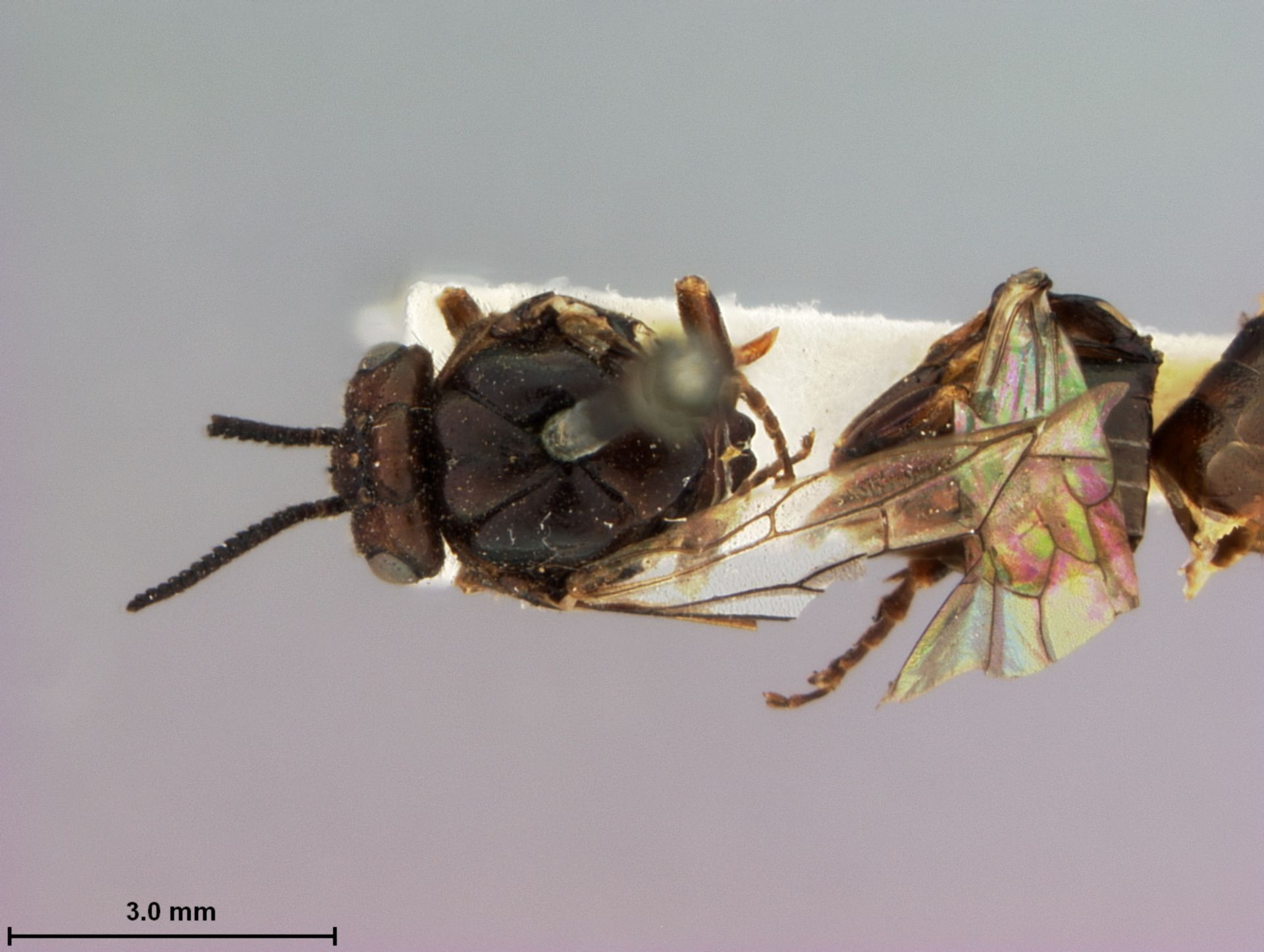
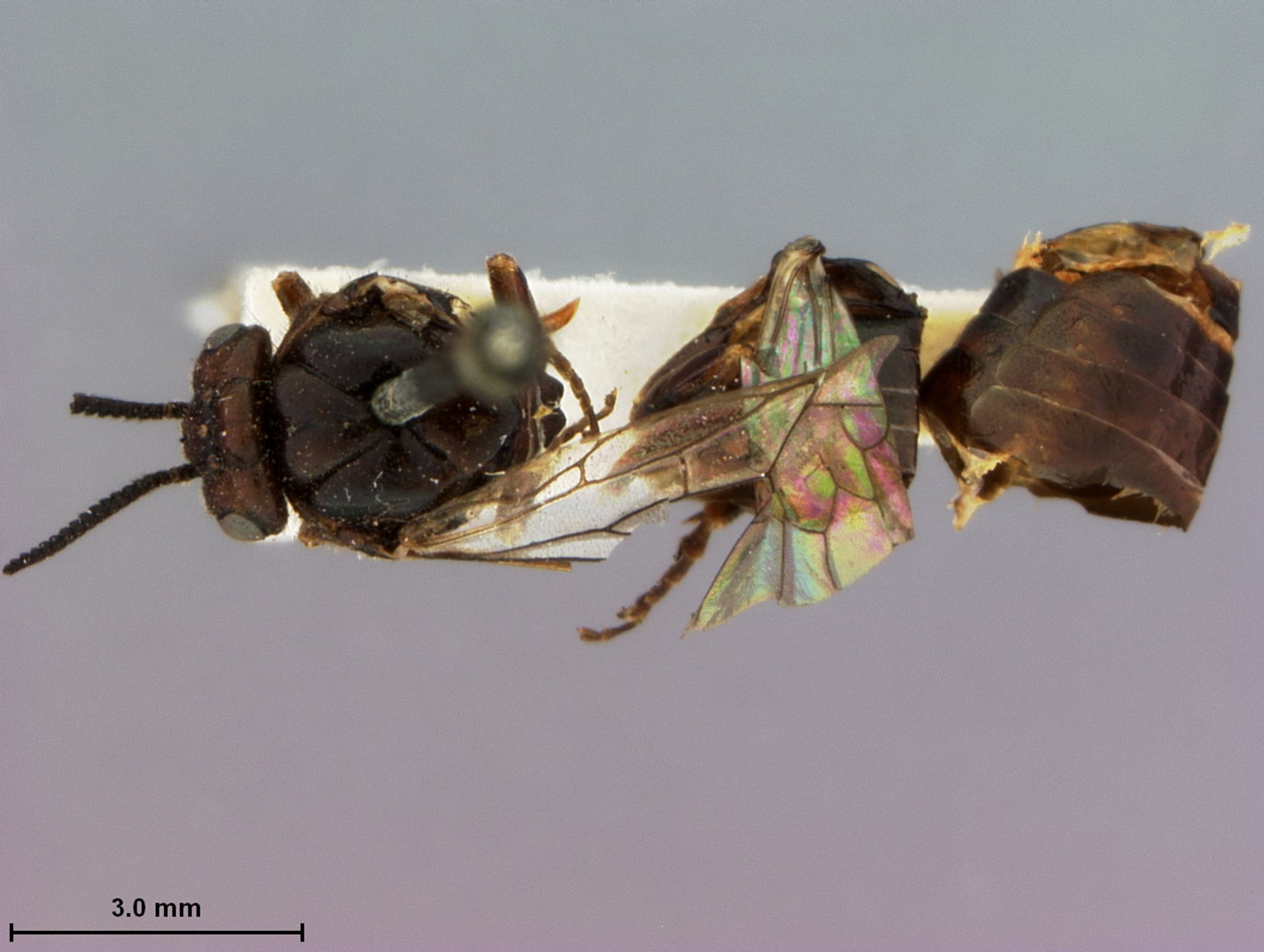
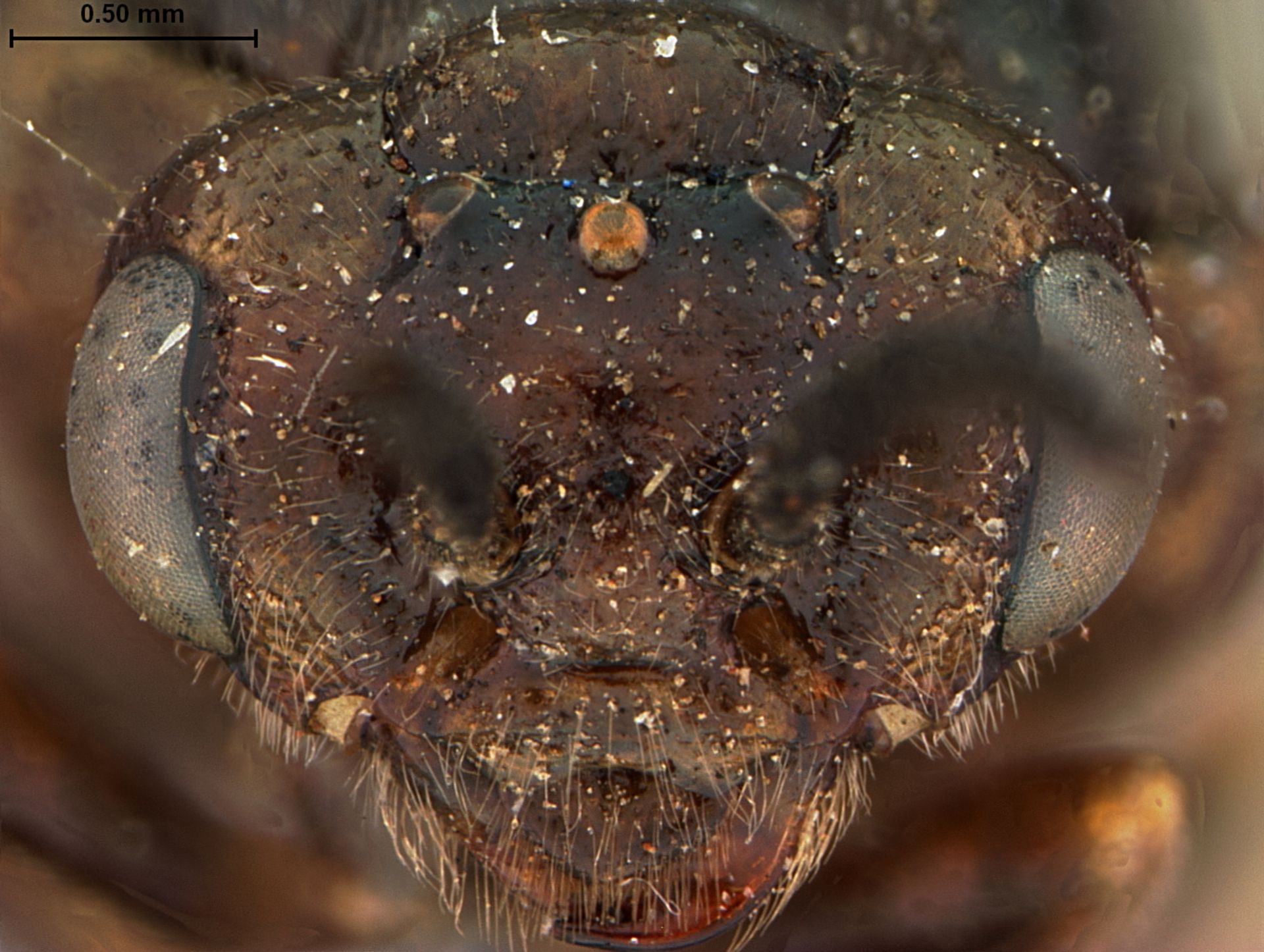
Pronunciation
How to pronounce Neodiprion mundus: /neɪoʊˈdaɪpri.ən ˈmʌndəs/
These audio files are automatically generated. While they are not always 100% accurate, they are a good starting point.
Identification
Larvae of Neodiprion , including N. mundus, resemble caterpillars but possess six to eight pairs of (caterpillars have five or fewer). are -like, stingless, and possess a saw-like ovipositor used to insert into conifer foliage. Specific larval coloration and patterning for N. mundus is not well documented in available sources; reference to -level larval keys may be necessary for field identification.
Images
Habitat
Associated with coniferous forests, specifically pine-dominated . Larvae develop on pine trees, feeding on needles.
Distribution
Recorded from Canada (British Columbia). Distribution appears restricted to western North America based on available data.
Diet
Larvae feed on pine needles (folivory). Specific pine for N. mundus are not documented in available sources.
Life Cycle
As with other Neodiprion , N. mundus likely undergoes complete with , larval, pupal, and stages. Larvae are gregarious and feed on pine needles. occurs in cocoons, typically in soil or duff beneath trees. Specific timing and voltinism for N. mundus is not documented.
Behavior
Larvae are gregarious, feeding in groups on pine needles. When disturbed, Neodiprion larvae may regurgitate sticky pine resin stored in esophageal pouches as a chemical defense against .
Ecological Role
Herbivore on conifer trees; serves as food source for birds and supports natural enemy including and . can cause localized defoliation.
Human Relevance
Potential forest pest; large can defoliate pine trees. Management typically not required as natural enemies usually regulate . Manual removal or water spraying effective for small in ornamental settings.
Similar Taxa
- Neodiprion leconteiRedheaded pine ; shares gregarious larval feeding and pine needle diet, but distinguished by larval coloration (creamy white body with black spots and red in N. lecontei)
- Neodiprion comparShares and ; specific distinguishing features for N. mundus require reference to detailed morphological keys
- Neodiprion pinetumAnother eastern North American ; geographic distribution may help separate from western N. mundus
More Details
Taxonomic note
Neodiprion mundus is one of approximately 25 Neodiprion found in North America. The is characterized by conifer-associated herbivory and saw-like ovipositors. Detailed species-level biological studies for N. mundus specifically appear limited in the scientific literature.
Data limitations
Most available information on Neodiprion derives from studies of eastern (N. lecontei, N. compar, N. pinetum, etc.). Western species including N. mundus are less well documented. Only 4 iNaturalist observations and limited GBIF records exist for this species.
Sources and further reading
- BugGuide
- GBIF taxonomy match
- iNaturalist taxon
- NCBI Taxonomy
- Encyrtid Holdings | Entomology Research Museum
- Crazy redheads - Redheaded pine sawfly, Neodiprion lecontei(MISSING VIDEO AND LINKS) — Bug of the Week
- What's Eating Your Pine Needles? Sawflies, Probably
- Akilah Stewart: Working Toward More Eco-Friendly Mosquito Pesticides