
Phylloteras
Ashmead, 1897
Species Guides
5- Phylloteras cupella(urn gall wasp)
- Phylloteras poculum
- Phylloteras rubinum
- Phylloteras sigma
- Phylloteras volutellae(conical oak gall wasp)
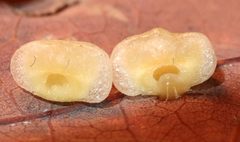
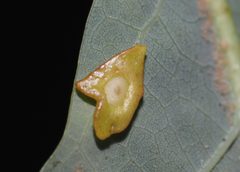
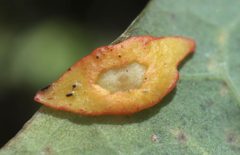
Phylloteras is a North American of gall wasps in the Cynipidae, tribe Cynipini. These insects are specialized associates of oak trees (Quercus), inducing galls on leaves. The genus contains at least 4 described , with estimates suggesting up to 11 species may exist. As members of the oak gall wasp tribe, they exhibit the characteristic of alternating between sexual and forms, often with distinct gall morphologies for each generation.
Pronunciation
How to pronounce Phylloteras: /fɪˈloʊtəˌræs/
These audio files are automatically generated. While they are not always 100% accurate, they are a good starting point.
Identification
Identification to requires examination of gall on oak leaves and microscopic features of . Phylloteras produce distinct leaf galls that differ from those of related cynipid genera such as Neuroterus and Cynips. Adult wasps are small, typically 2-4 mm in length, with reduced wing venation characteristic of the . Specific species identification relies on detailed morphological examination of , tergites, and genitalia.
Images
Habitat
Associated with oak forests and woodlands where Quercus occur. Found in environments ranging from deciduous forests to urban and suburban areas with planted oaks.
Distribution
to North America. Distribution corresponds to the range of oak across the continent.
Seasonality
Activity patterns follow the typical cycle of oak gall wasps, with sexual emerging in spring and generation adults emerging in late summer to autumn. Exact timing varies by and geographic location.
Host Associations
- Quercus - gall inducerObligate association; induces galls on oak leaves
Life Cycle
Exhibits heterogony (), with distinct sexual and . Sexual generation females lay in oak leaf tissue, inducing galls in which larvae develop. Asexual generation females emerge from these galls and produce galls of different on the same or different oak tissues. This complex is characteristic of tribe Cynipini.
Ecological Role
As gall inducers, modifies oak leaf tissue to create protected microhabitats for larval development. Galls may serve as food sources for specialized and . Contributes to biodiversity of oak-associated .
Human Relevance
Minor economic significance; galls may cause aesthetic damage to ornamental oaks but do not typically threaten tree health. Occasionally of interest to naturalists and biologists studying plant-insect interactions.
Similar Taxa
- NeuroterusAlso in tribe Cynipini with leaf-galling on oaks; distinguished by gall and characteristics
- CynipsOak gall wasp with similar ; differs in gall location (often twig galls) and morphological details
- AcraspisRelated oak gall wasp ; Phylloteras distinguished by specific leaf gall forms and taxonomic characters
More Details
Species Diversity
Taxonomic uncertainty exists; at least 4 are formally described, but estimates suggest up to 11 species may be present in the . This disparity reflects ongoing taxonomic revision and the cryptic nature of many gall wasp species.