
Dryocosmus quercusnotha
(Osten Sacken, 1870)
Furry Oak Leaf Gall Wasp
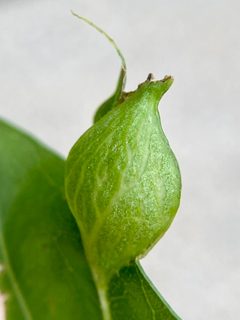
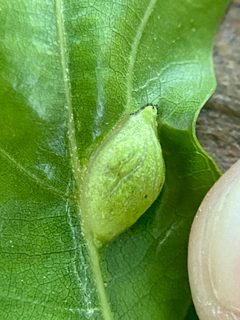
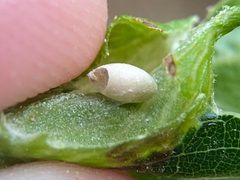
Dryocosmus quercusnotha is a gall wasp in the Cynipidae, first described by Osten Sacken in 1870. It is commonly known as the Furry Oak Leaf Gall Wasp. The induces characteristic galls on oak leaves. It belongs to a whose members are primarily associated with oak (Quercus) .
Pronunciation
How to pronounce Dryocosmus quercusnotha: /draɪ.oʊˈkɒzməs kwɜrˌkʌsˈnoʊθə/
These audio files are automatically generated. While they are not always 100% accurate, they are a good starting point.
Identification
As a member of Dryocosmus, this likely produces small, rounded galls on oak leaves. The specific gall of D. quercusnotha distinguishes it from : D. kuriphilus produces chestnut galls, while other Dryocosmus species create distinct leaf or twig galls on oaks. Definitive identification requires examination of gall structure and microscopic features.
Images
Habitat
Associated with oak-dominated environments, including deciduous forests, woodlands, and urban areas where oak trees occur.
Distribution
Native to North America, with records spanning regions where oak are present. The specific range boundaries are not well documented in available sources.
Host Associations
- Quercus - gall induction on leaves inferred from epithet and genus-level ; specific oak species not documented in available sources
Ecological Role
As a gall inducer, creates microhabitats on oak leaves that may support , , and other associated arthropods.
Similar Taxa
- Dryocosmus kuriphilusCongeneric gall wasp, but attacks chestnut (Castanea) rather than oak, producing distinctly different galls on twigs and buds
- AndricusAnother cynipid inducing oak galls; Andricus typically produce larger, more structurally complex galls often on catkins or twigs rather than leaves
More Details
Taxonomic Note
The specific epithet 'quercusnotha' combines 'quercus' (oak) with 'notha' (spurious or false), possibly alluding to its deceptive or unusual relationship with oak . The has been relatively well-documented through citizen science platforms, with over 3,900 observations on iNaturalist, suggesting it is common and conspicuous in its native range.