
Biorhiza
Westwood, 1840
Species Guides
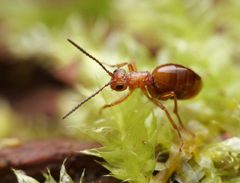
1Biorhiza is a of oak gall wasps in the tribe Cynipini. in this genus induce the formation of 'oak apple' galls on oak trees by laying inside leaf buds, causing plant tissue to swell as larvae develop. The genus exhibits cyclical with alternating sexual and . Sexual generation emerge from spherical, fleshy galls that may contain multiple foundresses.
Pronunciation
How to pronounce Biorhiza: //baɪoʊˈraɪzə//
These audio files are automatically generated. While they are not always 100% accurate, they are a good starting point.
Identification
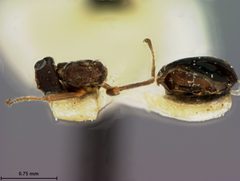
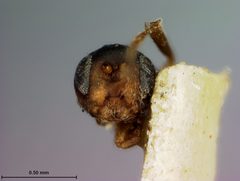
Distinguished from other oak gall wasp by the formation of large, spherical, often multi-chambered 'oak apple' galls on oak buds rather than on leaves, stems, or roots. Galls are typically fleshy and may reach several centimeters in diameter. are small, typically 2-4 mm in length, with reduced wing venation characteristic of Cynipidae. Specific identification to level requires examination of gall and adult structural features.
Images
Habitat
Associated with oak trees (Quercus ), specifically forming galls on buds of Quercus robur and Quercus petraea. Sexual develops above ground in bud galls; generation develops in root galls.
Distribution
Recorded from Denmark, Norway, and Sweden (GBIF); broader distribution inferred from oak range across Europe. The is native to the Palearctic region.
Seasonality
Sexual emerge from oak apple galls in spring to early summer. Timing corresponds with oak bud break and leaf expansion.
Host Associations
- Quercus - gall sexual forms galls on buds
- Quercus robur - gall documented for sexual
- Quercus petraea - gall documented for sexual
Life Cycle
Heteroecious with cyclical . Sexual : females lay in oak buds, inducing multi-chambered oak apple galls; larvae develop within; emerge to mate. generation: females produce offspring parthenogenetically that develop in root galls. The two generations alternate between above-ground bud galls and below-ground root galls.
Behavior
Sexual females exhibit multiple founding, with an average of 2.4 foundresses per gall (range 1-8). Foundresses may be related and contribute unequally to offspring production. Females show three reproductive types: androphores (produce only sons), gynophores (produce only daughters), and gynandrophores (produce both). Sex ratios are highly female-biased, approximately 10% male, with adjustment based on foundress number.
Ecological Role
Gall-former that creates structural on oaks. Oak apple galls provide shelter and food resources for (guest organisms) and . The gall tissue represents a significant manipulation of plant growth patterns.
Human Relevance
Oak apples have historical significance in ink production (iron gall ink) and as curiosity items. The galls may be conspicuous on ornamental oaks but do not typically cause significant tree damage.
Similar Taxa
- AndricusAlso in tribe Cynipini and forms oak galls, but typically produces hard, woody galls on leaves, stems, or buds rather than the large, fleshy, multi-chambered oak apples characteristic of Biorhiza.
- CynipsForms oak galls but produces smaller, often single-chambered galls on leaves or buds; lacks the large, spherical, fleshy gall structure and multiple-foundress of Biorhiza.
More Details
Multiple Founding
Approximately 75% of galls yield only one sex, but 25% are mixed-sex. Seven of ten galls analyzed showed evidence of multiple founding, with contributions by different foundresses highly skewed.
Sex Ratio Biology
The female-biased sex ratio is consistent with local mate competition and inbreeding avoidance. Sex ratio becomes less female-biased as foundress number increases, indicating facultative adjustment.
Species Included
The contains two recognized : Biorhiza pallida (Olivier, 1791) and Biorhiza mellea Ashmead, 1887. B. pallida is the primary subject of ecological studies.