
Andricus stropus
leafy-wreath gall
Andricus stropus is a of cynipid gall wasp in the Cynipidae that induces distinctive galls on oak trees. The species is part of the highly diverse Andricus , which contains numerous oak-associated gall wasps, each producing characteristic gall structures. Like other cynipids, A. stropus has a complex involving manipulation of plant tissue through chemical secretions that redirect oak growth patterns. The species is known from observations primarily in North America.
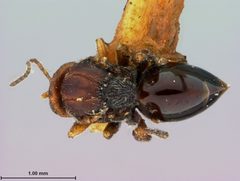
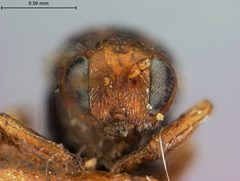
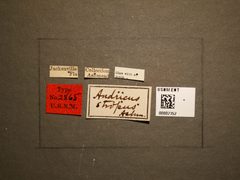
Pronunciation
How to pronounce Andricus stropus: /ˈæn.drɪ.kəs ˈstroʊ.pəs/
These audio files are automatically generated. While they are not always 100% accurate, they are a good starting point.
Identification
Distinguished from other Andricus by the distinctive leafy-wreath gall structure it induces on oaks. The gall's differs from other cynipid galls such as the round bullet galls of Disholcaspis quercusglobulus or the clustered midrib galls of Andricus dimorphus. Specific diagnostic features of the require examination of morphological characters not detailed in available sources.
Images
Habitat
Associated with oak-dominated forests and woodlands where Quercus occur. Found in ranging from dry-mesic upland deciduous forests to riparian corridors, reflecting the broad habitat of host oaks.
Distribution
Recorded from North America based on iNaturalist observations. Specific range boundaries within the continent are not well documented in available sources.
Host Associations
- Quercus - gall induction plant for gall development; specific oak associations require further documentation
Life Cycle
Follows the typical cynipid pattern: female lays in oak tissue using ovipositor, larval development occurs within the induced gall structure, takes place in a chamber formed inside the gall, and adult occurs through chewing an exit hole. Details regarding alternate or sexual/ phases are not documented in available sources.
Behavior
females use their ovipositor to inject into oak leaf or stem tissue. Larvae secrete chemical compounds that manipulate plant , inducing formation of the leafy-wreath gall structure that provides shelter and nutrition. The is incapable of stinging humans.
Ecological Role
Contributes to oak-associated biodiversity as a herbivore. Galls may provide microhabitat for other organisms including and , though specific ecological relationships for A. stropus are not documented.
Similar Taxa
- Andricus dimorphusAlso induces galls on oaks, but produces clustered midrib galls on the lower leaf surface rather than leafy-wreath structures
- Disholcaspis quercusglobulusCynipid gall wasp on oaks, but forms round detachable twig galls rather than leaf galls
- Andricus pattoniInduces galls on post oak leaves, but gall and position on leaf differ