
Disholandricus lasius
(Ashmead, 1896)
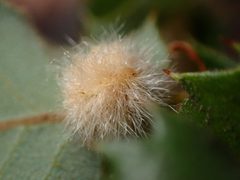
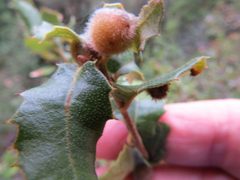
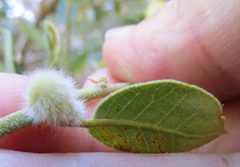
Disholandricus lasius is a cynipid gall wasp that induces galls on oak . Formerly classified in the Andricus, this species was reassigned to Disholandricus based on phylogenetic and morphological studies. Like other members of the Cynipidae , the manipulates host plant tissue to form a protective structure that houses and nourishes its developing larvae. The species exhibits the complex typical of oak gall wasps, involving both sexual and that alternate between different plant structures or host species.
Pronunciation
How to pronounce Disholandricus lasius: //ˈændrɪkəs ˈleɪsiəs//
These audio files are automatically generated. While they are not always 100% accurate, they are a good starting point.
Images
Host Associations
- Quercus - gall induction plant for gall formation; specific oak not confirmed in available sources
Similar Taxa
- Andricus speciesFormerly classified within Andricus; Disholandricus lasius was transferred based on phylogenetic analysis distinguishing Disholandricus as a separate within the Cynipini tribe
- Other Disholandricus speciesShares -level traits of gall and oak specificity; specific distinguishing features for D. lasius not documented in available sources
More Details
Taxonomic history
This was originally described by Ashmead in 1896 as Callirhytis lasius, later transferred to Andricus, and subsequently moved to Disholandricus following molecular phylogenetic studies that reorganized the Cynipini tribe. The Disholandricus was erected to accommodate species previously placed in Andricus that form a distinct clade based on genetic and morphological data.
Sources and further reading
- BugGuide
- iNaturalist taxon
- NCBI Taxonomy
- The Ants and Butterflies of Gates Canyon: Quite the Ecosystem | Bug Squad
- From the Bug of the Week mailbag, termites or ants? Eastern subterranean termites, Reticulitermes flavipes, or Citronella ants, Lasius sp. — Bug of the Week
- Gall darn it! Gall insects on hickory, oak, and elm, Phylloxera caryaecaulis, Andricus palustris, Colopha ulmicola — Bug of the Week
- Curious isolation: new butterfly species discovered | Blog
- Alternative host-searching strategy in Ghilaromma orientalis
- galls | Beetles In The Bush