
Amphibolips quercusspongifica
Summer Sponge Apple Gall Wasp
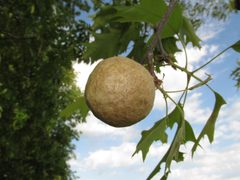
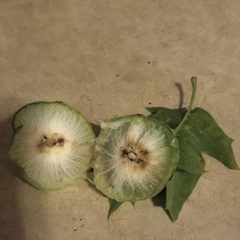
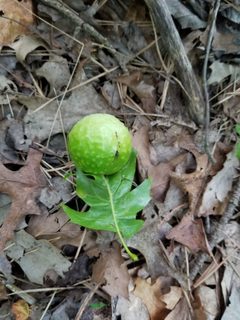
Amphibolips quercusspongifica is a gall wasp in the Cynipidae that induces distinctive sponge-like galls on oak trees. The is known for producing 'spongy apple galls' on various Quercus species, with the referencing both the texture and seasonal timing of gall development. Like other Cynipidae, it has a complex likely involving alternate , though specific details remain incompletely documented. The species is relatively poorly known, with limited observational records.
Pronunciation
How to pronounce Amphibolips quercusspongifica: /æmˈfɪbəlɪps kwɜrkəsˌspɒŋɪˈfɪkə/
These audio files are automatically generated. While they are not always 100% accurate, they are a good starting point.
Identification
Distinguished from other Amphibolips by the distinctive spongy, irregular surface texture of its galls—most produce smoother, harder, or differently structured galls (e.g., the smooth, spherical galls of A. quercusinanis). The 'spongy apple' separates it from A. quercusjuglans (walnut-like galls) and A. quercuscitrina (lemon-shaped galls). Confirmation requires gall examination; are extremely difficult to identify without dissection and reference to specialized taxonomic keys.
Images
Habitat
Associated with oak woodlands and forests where Quercus occur. Galls develop on leaves of oak trees in and subcanopy. Specific moisture or elevation requirements not documented.
Distribution
Eastern North America; records from United States. Precise range boundaries unknown due to limited sampling and identification challenges.
Seasonality
Galls present on oak leaves during summer months (June–August), with mature galls falling to ground in late summer to autumn. timing inferred from gall maturity but not directly observed.
Host Associations
- Quercus - Gall inducer on oak leaves; specific oak not definitively documented in available sources
Life Cycle
incompletely known; likely involves alternation of sexual and parthenogenetic as in related Cynipidae. Sexual generation produces the observed summer galls on leaves. generation, if present, may involve different gall type or tissue; not confirmed. stage presumed to be larva within fallen gall or pupa, but not verified.
Ecological Role
Gall formation creates for and that utilize cynipid galls. Galls may influence leaf physiology and nutrient allocation in oaks, though specific effects undocumented for this .
Human Relevance
No known economic or medical significance. Galls may attract minor attention from naturalists due to unusual texture. Not a pest of cultivated oaks.
Similar Taxa
- Amphibolips quercusinanisProduces smooth, spherical, hard 'empty oak apple' galls lacking the spongy texture; galls often contain no living cynipid larva due to frequent or failure
- Amphibolips quercusjuglansForms walnut-shaped galls with ridged surface, not the irregular spongy apple
- Amphibolips quercuscitrinaProduces lemon-shaped galls with pointed apex and smoother surface
More Details
Taxonomic note
name 'quercusspongifica' refers to oak (quercus) and sponge-like (spongifica) gall texture. First described by Osten Sacken in 1862. The Amphibibolips contains numerous cryptic species with poorly resolved ; molecular work may clarify species boundaries.
Research gaps
Critical details including alternate , specific oak , and associations remain unstudied. The species is known almost exclusively from gall collections rather than direct observation of .